
Paraboeremia selaginellae
Paraboeremia selaginellae
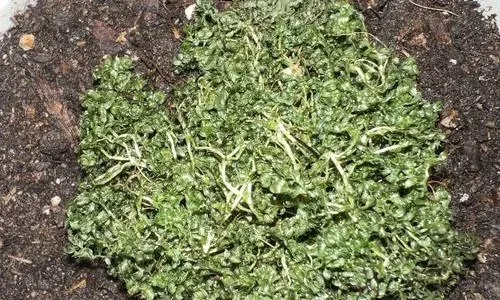
Description
Symptoms
The initial symptoms are characterized by small, chlorotic spots that gradually develop into necrotic patches. These patches often have a dark brown or reddish-brown border.
A hallmark sign of the infection is the appearance of tiny, dark, pinhead-sized structures (pycnidia) within the necrotic tissue. This confirms the presence of the pathogen.
Leaves affected by the fungus eventually lose their firmness, curl up, and turn brittle. If the disease progresses, the entire shoot system may wither and collapse.
In high humidity, a sparse, grayish mycelial growth might be visible on the undersides of the leaves or near the stem bases. This stage indicates rapid fungal colonization.
Early diagnosis is crucial, as the lesions can be mistaken for physiological disorders caused by nutrient deficiency or improper watering regimes.
Pathogen
The causative agent of this disease is the fungus Paraboeremia selaginellae. It belongs to a group of coelomycete fungi that are known for causing various necroses on ornamental foliage.
This pathogen reproduces through the formation of pycnidia, small flask-shaped structures that appear on the surface of infected plant tissues. These structures release conidia, which are responsible for the spread of the disease.
The fungus is highly specialized, primarily affecting plants of the genus Selaginella. It thrives in humid environments typical of glasshouses and indoor gardens.
Infection is usually facilitated by high levels of moisture, which allow the spores to germinate on the leaf surface. Once entry is gained, the mycelium spreads systemically or locally, depending on the severity of the infection.
Research suggests that Paraboeremia selaginellae remains dormant in the soil and plant debris, making it a persistent threat in greenhouse conditions if hygiene protocols are neglected.
Conditions for development
High relative humidity is the primary driver of Paraboeremia selaginellae outbreaks. The fungus requires moisture films on leaf surfaces to initiate infection.
Temperatures ranging from 18°C to 25°C are optimal for the fungus's growth and pycnidia production. Cooler temperatures may slow down the disease but do not eradicate the pathogen.
Poor ventilation leads to a stagnant microclimate, which significantly increases the susceptibility of the plants to fungal colonization.
Overcrowding in greenhouse trays prevents air circulation and facilitates the movement of spores between plants, often caused by water splashes during irrigation.
Plants under physiological stress, often due to improper lighting or poor-quality growing medium, show greater susceptibility to this fungal pathogen.
Why it matters
The disease is highly destructive to the ornamental quality of Selaginella plants. Infected specimens often become unsalable, leading to significant economic losses for nurseries.
If not managed promptly, the fungus can rapidly spread throughout the entire greenhouse, potentially decimating large collections of sensitive plants.
The cumulative damage from leaf necrosis leads to stunted plant growth and overall decline. Severe infections result in the permanent loss of the plant structure.
Management expenses are significant, as they include costs for chemical applications, labor for cleaning, and the loss of inventory that cannot be recovered.
Furthermore, Paraboeremia selaginellae serves as a source of inoculum that can compromise other related species grown in the same or nearby environments.
Protection
Effective control starts with strict moisture management. Improving ventilation and spacing plants appropriately helps to keep foliage dry and reduces the risk of infection.
Sanitation is key; all infected plant parts should be removed and disposed of carefully. Tools must be disinfected regularly to prevent cross-contamination.
Fungicide applications, specifically those containing triazoles or strobilurins, are effective at inhibiting the development of Paraboeremia selaginellae when applied early.
Avoid overhead watering to minimize the spread of spores. Using sterile substrates during potting is essential to ensure that the initial growing environment is free of the pathogen.
- Maintain good hygiene by removing debris from the soil surface.
- Use systemic fungicides at the first sign of leaf spots.
- Ensure proper drainage to prevent root and humidity-related stresses.
Discussion
No discussions yet — be the first.