
Phoma leaf spot
Paraboeremia
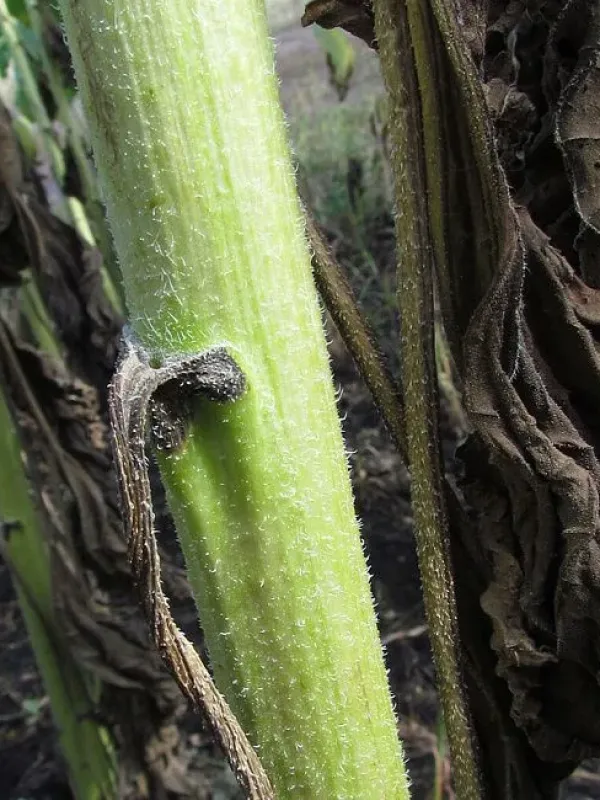
Description
Symptoms
Typical symptoms include small, irregular spots on leaves and stems, which often appear light brown or greyish with dark brown or black margins.
As the spots mature, tiny black fruiting bodies called pycnidia become visible within the necrotic tissue, which is a diagnostic feature of this fungal disease.
Stem cankers often develop at the base of the plant, causing the stems to become brittle, leading to lodging and premature senescence of the affected plant.
Root system infection can result in dark, dry rot lesions, which significantly impair water and nutrient uptake, leading to visible wilting during the day.
Seedling blight may occur, characterized by damping-off symptoms, where the young stems collapse at the soil line shortly after emergence.
Pathogen
The disease is caused by fungi of the genus Paraboeremia, formerly classified under the Phoma group. These pathogens are widely distributed and affect a vast range of crop species, including legumes and brassicas.
The life cycle involves the formation of pycnidia, which are small fruiting bodies containing spores that are released during humid conditions, allowing for rapid field spread.
The fungus is capable of surviving for long periods in soil on infected crop residues or as dormant mycelium within the seed tissues of the host plants.
Infection spreads mainly through rain splashes or wind, making the pathogen particularly aggressive during wet and cool periods of the growing season.
The pathogen disrupts the physiological functions of the plant by colonizing vascular tissues and producing toxic metabolites, leading to tissue death.
Conditions for development
The development of Phoma disease is heavily dependent on weather conditions, specifically favoring moderate temperatures and high atmospheric humidity.
Extended periods of rain or heavy dew provide the necessary moisture for pycnidia to release spores and for those spores to germinate on host surfaces.
Dense planting configurations that limit air movement around the plants create a humid microclimate, fostering faster disease progression and spread.
Previous infections in the field serve as a primary inoculum source, especially if residues were not properly incorporated or destroyed during cultivation.
Plant damage caused by insects, hail, or agricultural machinery facilitates pathogen entry into the tissues, significantly increasing infection rates.
Why it matters
Phoma infection results in substantial yield losses, sometimes significantly reducing both the volume and the quality of the harvested agricultural produce.
Infected crops often produce small, shriveled seeds with reduced viability, which can carry the infection into the subsequent planting season.
The weakening of stems due to canker formation makes crops highly susceptible to lodging, which complicates mechanical harvesting and increases grain loss.
Reduced photosynthetic capacity caused by leaf lesions leads to lower overall vigor and delayed maturity, impacting the plant's ability to withstand stress.
For vegetable and storage crops, the disease can cause secondary infections during storage, leading to spoilage and economic losses for growers.
Protection
Effective management begins with strict crop rotation practices, ensuring that a susceptible host crop is not planted in the same field for several years.
Using certified, disease-free, and fungicide-treated seeds is the most effective way to prevent the initial introduction of the pathogen into new areas.
Foliar application of authorized fungicides can provide protection during critical growth stages, especially when weather forecasts predict high humidity.
Deep plowing of crop residues into the soil helps accelerate decomposition, reducing the survival of fungal inoculum on the surface of the fields.
Selecting and planting resistant cultivars is a key component of integrated pest management, reducing the need for chemical interventions and lowering costs.
Discussion
No discussions yet — be the first.