
Panaeolus fimicola
Panaeolus fimicola
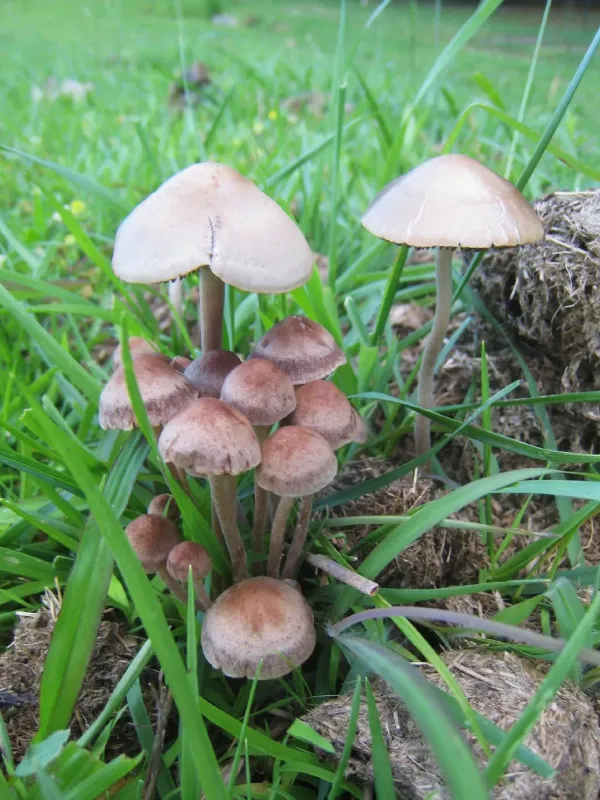
Description
Pathogen
Panaeolus fimicola is a species of saprotrophic fungus belonging to the Bolbitiaceae family. In agronomy, it is categorized not as a primary plant pathogen, but as an indicator species reflecting specific soil conditions.
The fungus functions as a decomposer, breaking down organic matter and animal waste in the soil. It thrives in environments rich in nitrogen and carbon-based materials that have not yet fully decomposed.
While it does not parasitize living plant tissues, its presence is a clear sign that the soil is heavily saturated with raw organic material. This biological activity significantly influences the local soil microbial community.
Morphologically, the fungus is characterized by small, brown fruiting bodies that adapt their appearance based on the humidity of the environment. Spore production is prolific during periods of high moisture.
Its mycelium is capable of colonizing large areas, effectively recycling nutrients into the soil profile. However, this process occurs at the expense of available minerals that could otherwise be utilized by crops.
Conditions for development
The primary driver for the development of Panaeolus fimicola is high soil moisture. It is frequently observed in areas that suffer from poor drainage or persistent surface saturation.
High levels of organic matter, such as fresh manure or compost, provide an ideal substrate for the fungus to establish its colonies. Poorly managed fertilization practices are often the trigger for its sudden appearance.
The optimal temperature range for the growth of this fungal species is between +15 and +25 degrees Celsius. These moderate temperatures allow for rapid expansion of the mycelial network.
Soil compaction is another critical factor. Lack of oxygen due to compressed soil structure favors the proliferation of this saprotrophic fungus over beneficial aerobic soil organisms.
Shaded or low-light areas also contribute to the success of this fungus, as they maintain lower evaporation rates and provide the necessary humidity for fruiting body development.
Why it matters
The economic harm caused by Panaeolus fimicola is primarily indirect. It competes with crops for soil nutrients, effectively reducing the availability of nitrogen and phosphorus for plant roots.
In ornamental landscaping and turf management, the growth of numerous fruiting bodies significantly degrades the visual appearance of the lawn, making the area less attractive for recreational use.
In greenhouse environments, dense mycelial growth can contribute to soil compaction, leading to restricted aeration. This hinders root respiration and can lead to stunted growth in vegetable crops.
The metabolic byproducts released during the decomposition process by this fungus may occasionally create localized chemical imbalances in the soil, which can stress sensitive young plants.
The presence of this fungus often signals the need for extensive soil remediation, which adds to the maintenance costs and labor requirements for the agricultural site.
Protection
Effective management begins with strict agricultural hygiene. Always ensure that organic fertilizers are fully composted and stabilized before application to avoid introducing or feeding the fungus.
Improving soil drainage is essential to preventing the conditions required for fungal growth. Consistent tilling and aeration help balance soil moisture levels and promote a healthier environment for plant roots.
Manual removal of fruiting bodies before they release spores is a simple yet effective way to suppress the spread of the fungus across your plot.
Adjusting soil pH through liming can make the environment less hospitable to this species. Regular monitoring of soil health helps in keeping the population of saprotrophic fungi under control.
- Proper composting techniques.
- Enhanced drainage and aeration.
- Regular site monitoring and cleanup.
Discussion
No discussions yet — be the first.