
Milky spore disease
Paenibacillus popilliae
Description
Pathogen
Milky spore disease is caused by the bacterium Paenibacillus popilliae. It is a Gram-positive, spore-forming entomopathogen that specifically targets the larvae of scarab beetles. The name of the disease derives from the characteristic milky-white appearance of the infected larvae's hemolymph.
The bacterium acts as an obligate parasite. Its life cycle involves the production of resistant spores that can persist in the soil for years, effectively waiting for a susceptible host to consume them during their root-feeding activity.
Once ingested by the larva, the spores germinate in the gut and the bacteria proliferate within the circulatory system. This results in the progressive infection of the insect, leading to the eventual death of the larva as the internal tissues are replaced by massive bacterial populations.
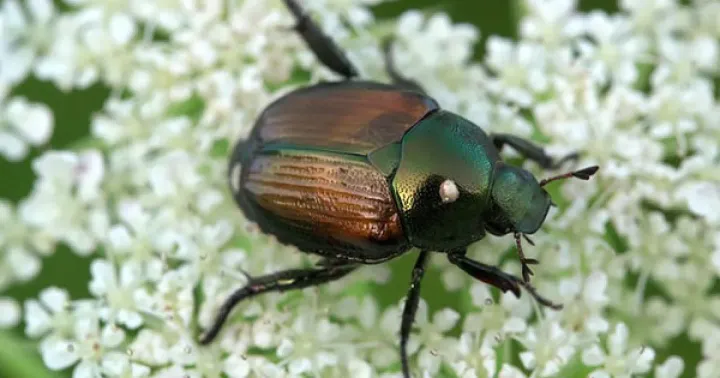
Paenibacillus popilliae is noted for its high specificity. It is harmless to plants, vertebrates, and most beneficial soil organisms, making it a cornerstone of integrated pest management (IPM) strategies for managing turf and agricultural pests.
After the death of the larva, the carcass decomposes and releases billions of new spores back into the soil, replenishing the reservoir of the pathogen. This natural self-perpetuating mechanism provides long-term biological control of the target beetle populations.
Why it matters
In an agricultural context, the "harm" associated with Milky spore disease is exclusively directed toward the insect pests that damage crop roots. By killing the larvae of beetles like the Japanese beetle, the pathogen prevents the destruction of root systems in various crops.
The primary benefit is the reduction of larval feeding damage. Infected grubs cease feeding shortly after colonization, which immediately halts the destructive impact on plants such as corn, vegetables, and ornamental grasses, safeguarding the vitality of the harvest.
The disease is highly effective at thinning out populations that would otherwise cause significant economic losses. By lowering the adult beetle population in the following season, the pathogen also reduces damage to foliage and fruits caused by the mature insects.
Because the pathogen is not harmful to the crops themselves, it does not pose any risk to agricultural productivity. It provides a clean, sustainable, and eco-friendly way to manage soil-borne pests without leaving chemical residues in the harvest or the soil profile.
The ecological harm reduction is also significant. By decreasing the reliance on broad-spectrum soil insecticides, Milky spore disease preserves the biodiversity of the soil, allowing beneficial earthworms and beneficial fungi to flourish alongside the desired crop.
Protection
Control involves the application of powdered formulations containing Paenibacillus popilliae spores. The product is typically spread on the surface or incorporated into the soil, where the spores are washed into the root zone by rain or irrigation.
Successful colonization of the soil depends on environmental factors, primarily temperature and soil moisture. The bacteria are most active during the warmer seasons when beetle grubs are feeding near the surface, providing the best window for infection.
For preventative management, it is crucial to maintain soil health. Avoiding the excessive use of antimicrobial agents that might affect the bacterial population is essential for the long-term success of the biological treatment.
Continuous monitoring of beetle populations allows farmers and turf managers to track the effectiveness of the application. While the initial establishment of the pathogen may take time, it provides a permanent biological solution once successfully integrated into the soil ecosystem.
- Application of high-quality spore-based biological products.
- Targeted application during peak larval feeding stages.
- Maintenance of adequate soil moisture to facilitate spore distribution.
- Integration with cultural practices to support long-term spore persistence.
Discussion
No discussions yet — be the first.