
Pacispora scintillans
Pacispora scintillans
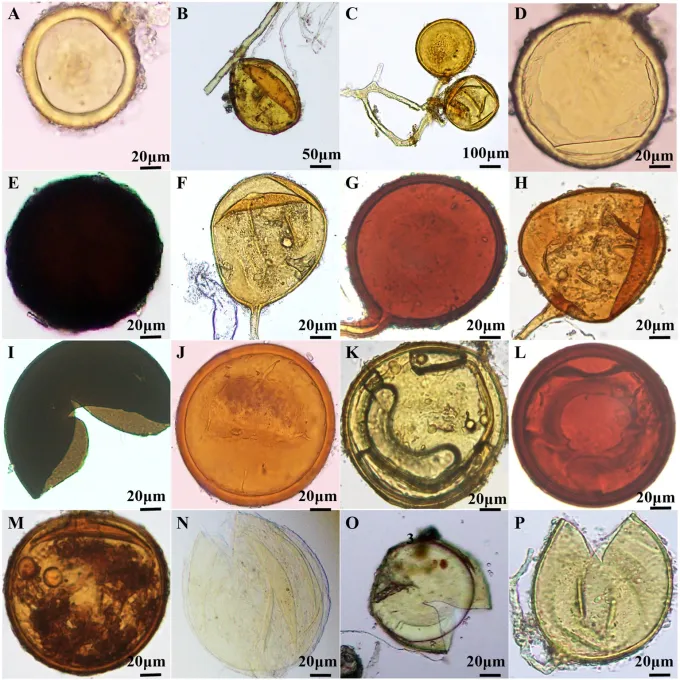
Description
Pathogen
Pacispora scintillans is a species of fungus belonging to the phylum Glomeromycota. It is an arbuscular mycorrhizal fungus, meaning it forms a symbiotic relationship with the roots of vascular plants rather than acting as a pathogen.
The fungus produces arbuscules within the plant root cortical cells, which serve as the primary site for nutrient exchange between the fungal partner and the host plant.
In addition to arbuscules, this fungus forms spores in the soil, which are essential for its dispersal and survival during periods when host plants are not actively growing.
The symbiotic interaction is generally beneficial for the plant, as the fungal hyphae extend far beyond the root zone, increasing the surface area for the absorption of water and mineral nutrients like phosphorus.
As a member of the Glomeromycetes, it plays a significant role in soil ecology and plant productivity, contributing to the overall sustainability of the agricultural ecosystem.
Conditions for development
The establishment and development of Pacispora scintillans are highly dependent on environmental conditions. Sufficient soil moisture is critical for spore germination and the subsequent colonization of roots.
Soil temperature also plays a vital role in regulating the activity of the fungal mycelium, with most symbiotic activity occurring during the peak growth stages of the host plants.
Agricultural practices, such as intensive tillage, are known to disrupt mycorrhizal networks and can reduce the populations of these beneficial fungi in the rhizosphere.
Soil nutrient status, particularly phosphorus levels, influences the degree of mycorrhizal colonization; plants may reduce their dependency on fungal symbionts when soil nutrients are highly available.
The application of specific chemical treatments, including certain fungicides, can have non-target effects on the mycorrhizal fungi, potentially suppressing their beneficial functions in the soil environment.
Discussion
No discussions yet — be the first.