
Blue stain
Ophiostoma piliferum
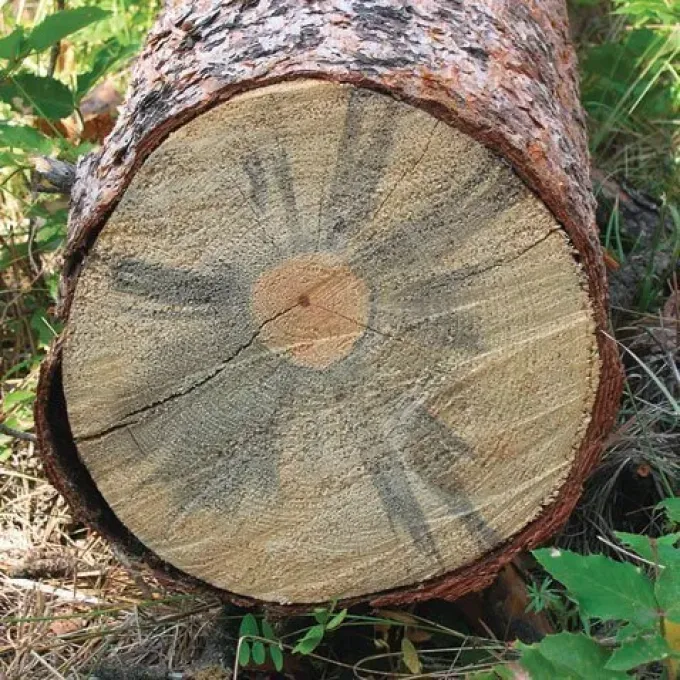
Description
Symptoms
The primary symptom of infection is the presence of dark streaks or blotches that penetrate deep into the wood. The color can range from light grey to intense blue or even black.
When looking at the cross-section of a log or timber, the discoloration often appears as wedge-shaped sectors radiating from the bark toward the heartwood, following the path of the wood rays.
The surface of the wood usually remains structurally intact. Unlike brown or white rot, blue stain does not cause the wood fibers to become soft, spongy, or brittle during the initial stages.
On freshly cut wood, a subtle, dusty, or fuzzy surface growth may occasionally be observed, which consists of the fungus's reproductive structures that produce spores.
The stain is permanent and cannot be removed by sanding or planing, as the pigment resides deep within the wood cells, significantly affecting the aesthetic value of the material.
Pathogen
Blue stain is caused by the microscopic ascomycete fungus Ophiostoma piliferum. It belongs to the group of sapstain fungi that specifically colonize the sapwood of various tree species, particularly conifers.
Unlike wood-decaying fungi that degrade structural components like lignin or cellulose, this fungus feeds on stored starches, sugars, and proteins found within the parenchyma cells of the wood ray tissue.
The fungus spreads primarily through spores, which are airborne or carried by wood-boring insects, such as bark beetles. These insects facilitate deep penetration of the fungus into the timber structure.
Once inside, the fungal hyphae grow rapidly throughout the wood. They produce dark-colored melanin pigments, which result in the characteristic deep blue or bluish-black discoloration of the sapwood.
The pathogen is highly persistent and can thrive in log yards and sawmills, where fungal spores can survive on wood residues and equipment for extended periods.
Conditions for development
The development of Ophiostoma piliferum is heavily dependent on the moisture content of the wood. It thrives when the moisture content is between 25% and 80%, typical of freshly felled timber.
Optimal temperatures for fungal growth range from 20°C to 30°C. In warm and humid climates, infection can occur within a few days if the wood is not processed or dried immediately.
Poor ventilation in storage areas and stacked lumber contributes to the problem. Stagnant, moist air creates the perfect microclimate for the rapid colonization of the fungus throughout the stack.
Damage to the bark of logs during harvesting or transport creates entry points for spores. Logs left lying on the forest floor are particularly susceptible to beetle attacks and subsequent fungal infection.
High relative humidity and inadequate air circulation are the primary environmental factors that promote the rapid spread of the disease on lumber piles at sawmills.
Why it matters
The primary impact of blue stain is the severe devaluation of timber. It is considered a major aesthetic defect that disqualifies wood from being used in high-quality carpentry or furniture making.
Because the stain is deep-seated, it cannot be hidden by clear coats or finishes, limiting the usage of the timber to structural applications or hidden components where appearance is not a factor.
Blue-stained wood exhibits increased permeability. It absorbs water and chemicals more easily than healthy wood, which can reduce the lifespan of wood products if they are exposed to moisture later.
The fungal tunnels created by the hyphae make the wood more accessible to secondary invaders, including wood-decay fungi, which can lead to structural compromise over time.
The economic impact on the timber industry is significant, as stained wood must often be sold at a heavy discount or discarded, representing a massive loss in investment for producers.
Protection
Industrial kiln drying is the most effective method for controlling blue stain. Reducing the moisture content below 20% effectively halts fungal growth and preserves the quality of the timber.
Applying anti-stain chemical treatments to freshly sawn timber provides a temporary barrier, preventing spores from colonizing the wood surface until it can be dried.
Proper stacking and storage practices are crucial. Using stickers to maintain air gaps between boards ensures good airflow, which prevents the build-up of moisture and discourages fungal growth.
Minimizing the time logs stay in the woods after felling is essential. Fast processing schedules prevent the fungus from gaining a foothold before the moisture level can be controlled.
Maintaining clean log yards and removing wood waste helps reduce the overall spore load in the environment, lowering the risk of infection for new shipments of wood.
Discussion
No discussions yet — be the first.