
Ophiodothella neurophila
Ophiodothella neurophila
Description
Symptoms
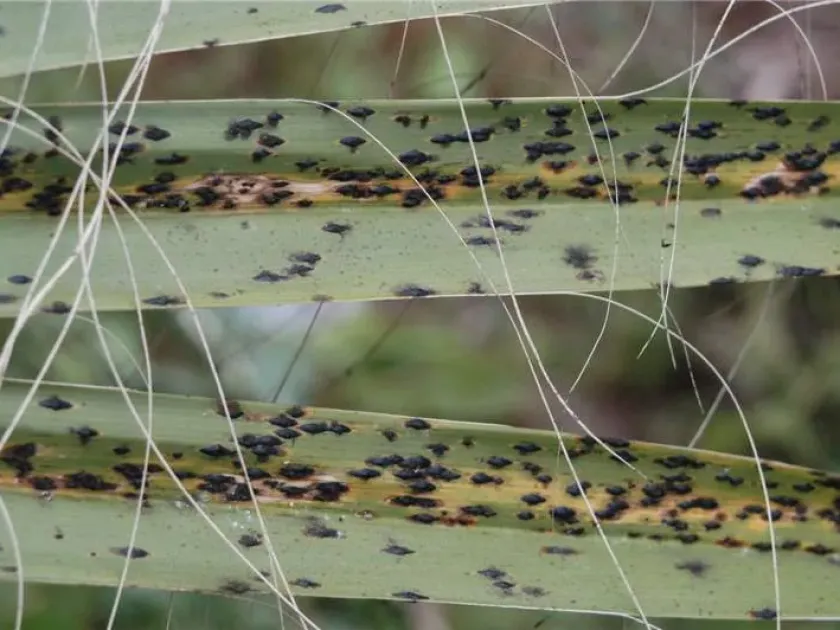
The initial symptoms are characterized by distinctive spots appearing along the leaf veins. These lesions often change color as the infection progresses, reflecting tissue necrosis.
As the disease advances, lesions may merge, resulting in large necrotic areas on the leaf blade. This leads to premature leaf shriveling, deformation, and an overall decline in plant vitality.
Black stromata, representing the fruiting bodies of the fungus, appear as small, raised dots along the veins. These structures indicate that the pathogen is actively producing spores to propagate the infection.
The loss of function in the leaf veins disrupts the plant's ability to transport water and nutrients efficiently. Consequently, this leads to chlorosis and premature leaf drop, severely impacting plant health.
Diagnosis is sometimes difficult due to the similarity of symptoms with other leaf spot diseases. However, the specific localization along the venation is a key diagnostic feature for this pathogen.
Pathogen
The pathogen Ophiodothella neurophila is an ascomycete fungus known for causing specific leaf diseases. It is highly specialized, primarily targeting the leaf veins of susceptible host species.
The life cycle of the fungus is strictly tied to the host tissue, where it develops its reproductive structures. By colonizing the veins, the pathogen gains access to a steady supply of nutrients, facilitating its colonization process.
Mycelial growth occurs deep within the leaf parenchyma. The fungus systematically spreads through the leaf, utilizing the vascular system to support its metabolic needs and ensure successful reproduction.
Spore dispersal (ascospores) is primarily driven by wind and water splash during rainfall. The fungus can overwinter in fallen leaf litter, which acts as the primary source of inoculum for the next growing season.
Understanding the biology of Ophiodothella neurophila is essential for effective crop management. A detailed knowledge of its phenology allows agronomists to time control measures accurately.
Conditions for development
High humidity and moderate temperatures are the most critical factors favoring Ophiodothella neurophila development. Prolonged rainy weather provides the perfect environment for spore germination and infection.
Optimal temperatures for the fungus range between 18 and 24 degrees Celsius. In these conditions, the pathogen's reproductive cycle shortens significantly, leading to rapid spread within the host population.
Poor ventilation within dense canopies or planting schemes creates a humid microclimate. This moisture retention on leaf surfaces is essential for the fungus to establish itself and penetrate host tissues.
The presence of overwintering inoculum in plant debris is a major driver of the disease cycle. Failing to clear leaf litter can result in a severe buildup of the pathogen over several years.
Weakened plants are more susceptible to infection. Environmental stressors such as low light or poor soil nutrient management can reduce the plant's natural defense mechanisms against the fungus.
Why it matters
The primary damage is premature defoliation, which causes significant energy depletion. The loss of photosynthetic capacity hinders the plant's growth and its ability to store nutrients for dormancy.
Chronic infection weakens the overall health of the plant. This makes the host more vulnerable to secondary pests and pathogens that thrive on compromised systems, leading to further decline.
For nursery and ornamental crops, the visual impact of the disease is devastating. Leaf necrosis reduces the market value and aesthetic appeal of the plants, causing financial losses.
Severe infections can inhibit the development of young shoots and buds. This results in stunted growth and the potential loss of the following year's flower or fruit production.
Continued disease presence increases management costs, including the need for recurring fungicide applications and intensive labor for sanitation practices throughout the growing season.
Protection
Sanitation is the most effective preventive measure. Collecting and destroying fallen leaves is crucial, as it eliminates the primary source of inoculum and prevents the fungus from surviving winter.
Improving canopy aeration through proper pruning techniques helps to minimize humidity. This reduces the risk of leaf wetness and makes it more difficult for the pathogen to thrive.
Preventive fungicide applications, particularly those containing copper, can be effective at the start of the season. These create a protective barrier that prevents spores from infecting healthy tissues.
Regular monitoring of plants allows for the early detection of symptoms. Prompt removal of infected branches helps to contain the disease and prevent it from spreading to the rest of the canopy.
Promoting general plant health through proper fertilization and irrigation strengthens the host's natural immunity, making it more resistant to potential fungal attacks.
Discussion
No discussions yet — be the first.