
Ophiocytium majus
Ophiocytium majus
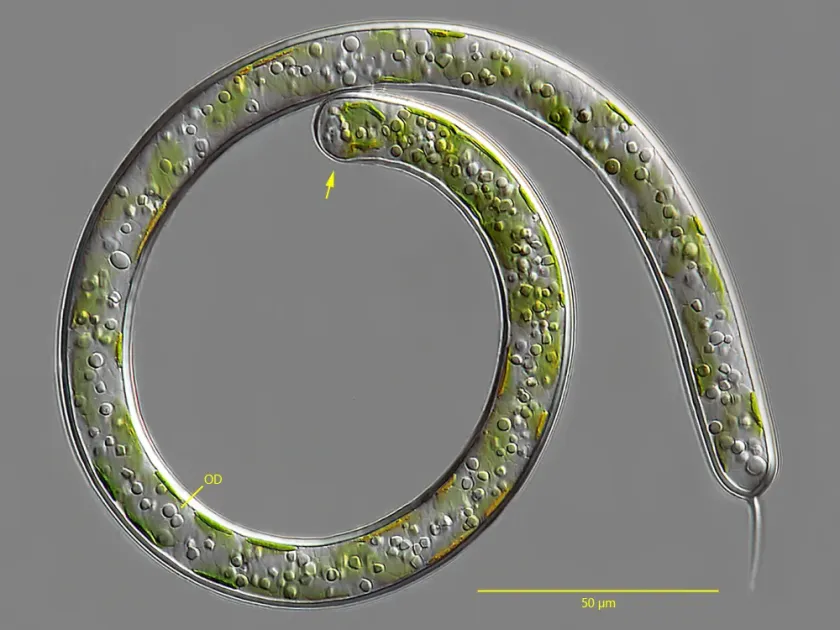
Description
Pathogen
Ophiocytium majus is a genus of yellow-green algae (Xanthophyceae) known to act as a phytopathogenic agent in specific agricultural conditions.
Unlike traditional fungi, this organism thrives in moisture-rich environments, often colonizing the soil surface and roots of weakened crop seedlings.
The pathogen consists of filamentous cells that form colonies, which can produce resistant cysts to withstand adverse environmental changes.
Its biological cycle is closely tied to the presence of free water or high humidity, distinguishing it from dry-spread fungal infections.
Microscopic analysis reveals a distinct cellular morphology, which is essential for accurate identification and differentiation from other soil algae.
Conditions for development
Excessive soil moisture and poor drainage systems are the primary drivers for the rapid proliferation of this organism in fields.
High levels of decomposing organic matter in the soil provide an excellent nutrient substrate for the algae to establish dense populations.
Compacted, poorly aerated soils create localized zones where low oxygen availability favors the survival and growth of the pathogen.
Moderate temperatures during the spring season create the ideal thermal environment for the germination and spread of these algal cells.
Frequent over-irrigation in greenhouses or heavy rainfall in open fields significantly increases the risk of an outbreak on susceptible crops.
Why it matters
The primary impact of this pathogen is the stunting of seedlings, which can lead to substantial plant loss during the germination phase.
Metabolic toxins secreted by the algae inhibit root growth and interfere with the nutrient uptake capacity of the affected plants.
Infected crops often exhibit signs of physiological stress, including chlorosis, leaf wilting, and overall failure to reach maturity.
The presence of these algae reduces the density of plant stands, resulting in lower total yield and diminished crop quality at harvest.
Furthermore, the colonization of the root zone can predispose plants to further attacks by secondary pathogens, such as soil-borne rots.
Protection
Effective management requires a combination of improved drainage, soil aeration, and strict control over irrigation practices.
Cultural practices, such as ensuring sufficient spacing between plants, help in drying the soil surface and preventing algal growth.
Maintaining soil structure through the addition of organic amendments can improve drainage and prevent the formation of stagnant water patches.
- Implement proper irrigation scheduling to prevent waterlogging.
- Ensure deep plowing to bury organic debris and disrupt pathogen habitats.
- Sanitize agricultural equipment to prevent the spread of spores.
Strategic use of localized soil treatments can help manage outbreaks without adversely affecting the soil microbiota balance.
Discussion
No discussions yet — be the first.