
Ophiocordyceps pruinosa
Ophiocordyceps pruinosa
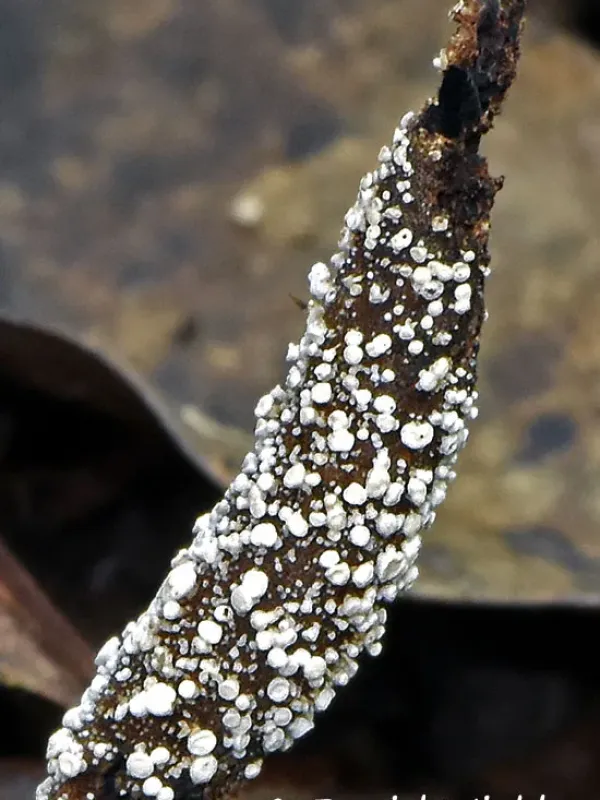
Description
Symptoms
The primary symptom of infection is the presence of mummified insect corpses covered in fungal mycelium or distinct reproductive structures known as stromata.
Infected insects often display abnormal behavior, such as sluggish movement, due to the physiological impact of the fungal infection.
In the final stages of the cycle, characteristic finger-like or branched growths emerge from the insect's body to release spores into the environment.
A light, powdery coating may appear on the host's exterior, which is typically a collection of conidia or ascospores produced by the fungus.
These signs are most frequently observed in shaded, damp areas such as soil, leaf litter, or near the base of plants where humidity remains high.
Pathogen
Ophiocordyceps pruinosa is a specialized entomopathogenic fungus within the Ophiocordycipitaceae family, known for its ability to parasitize insects.
Unlike common phytopathogens that target crops, this fungus is an obligate parasite of arthropods, particularly targeting certain beetle species.
The life cycle involves infection, where fungal mycelium infiltrates the host's body, slowly consuming internal tissues while preserving the exoskeleton structure.
This biological mechanism serves as a natural form of pest control, regulating the population density of specific insect groups in various environments.
The study of this fungus is significant for ecological research, as it offers insights into how natural pathogens impact insect biodiversity.
Conditions for development
The development of Ophiocordyceps pruinosa is heavily reliant on high environmental humidity, which is essential for spore germination and mycelial growth.
Moderate temperatures are required, as extreme heat or frost can impede the fungus's ability to infect new hosts and complete its reproductive cycle.
A stable population density of susceptible insect species is necessary for the fungus to spread effectively throughout a habitat.
The fungus thrives in sheltered locations that provide protection from direct sunlight and drying winds, keeping the microclimate stable.
Brief periods of rainfall or consistent dew are crucial for triggering spore release and colonization, ensuring the fungus can continue its cycle.
Why it matters
Ophiocordyceps pruinosa does not pose any harm to agricultural crops, as it does not infect plant tissues or damage harvestable produce.
It acts as a beneficial element in the agro-ecosystem by helping to reduce the populations of insects, including those that might otherwise become pests.
The presence of this fungus is often considered a sign of a healthy, functioning ecosystem with balanced biological regulation.
There is virtually no negative impact on agriculture, except perhaps in very rare cases where non-target beneficial insects are affected.
Overall, this organism is categorized as a beneficial biocontrol agent rather than a pathogen to be controlled or eliminated.
Protection
No protective or control measures are required against Ophiocordyceps pruinosa since it is not a threat to plant health or farm yields.
Agricultural management strategies should prioritize the preservation of diverse soil microflora, which often includes such natural entomopathogenic fungi.
Overuse of broad-spectrum fungicides should be avoided to prevent harming these beneficial organisms and disrupting natural pest regulation.
Farmers can support the natural activity of these fungi by maintaining healthy soil organic matter and moisture levels in the field.
Integrated Pest Management (IPM) practices recognize the role of such fungi and encourage strategies that favor natural biological controls.
Discussion
No discussions yet — be the first.