
Ophiocordyceps entomorrhiza
Ophiocordyceps entomorrhiza
Description
Pathogen
Ophiocordyceps entomorrhiza is an entomopathogenic fungus belonging to the Ophiocordycipitaceae family. It is crucial to clarify that this organism is not a plant pathogen; it does not infect plant tissues, roots, or foliage.
This fungus specifically targets larvae of coleopteran insects, particularly those from the Scarabaeidae family, which often reside in the soil. The fungus functions by infecting the insect larvae, eventually colonizing their internal tissues to complete its biological cycle.
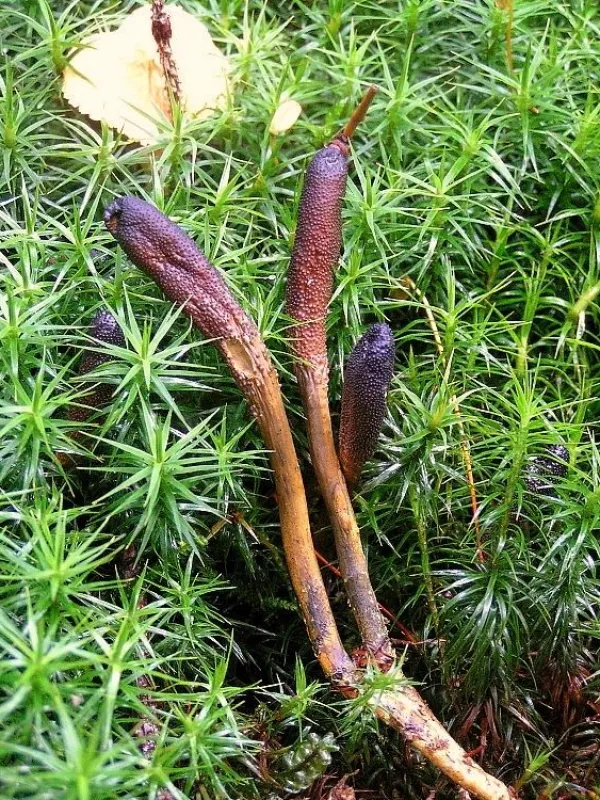
After consuming the host's internal resources, the fungus produces a stroma—a fruiting body that emerges from the soil surface. This structure is typically club-shaped and is essential for the dissemination of spores into the surrounding environment.
The fungus plays a specialized ecological role as a natural regulator of insect populations. By infecting soil-dwelling larvae, it performs a biological service that can reduce the overall pressure of pests on cultivated crops.
In agronomy, it is vital to correctly identify this fungus as a beneficial component of the soil microbiome rather than a threat to crop health, despite its presence often being confused with pathogenic fungal growth.
Conditions for development
The development of Ophiocordyceps entomorrhiza is strictly dependent on soil moisture and temperature. High humidity levels are required for the germination of spores and the subsequent infection of host insect larvae.
Moderate temperatures during the growing season facilitate the activity of the fungus within the soil profile. Stable soil conditions, characterized by the presence of organic matter, support the persistence of the fungus over time.
Intensive soil cultivation and the use of heavy machinery can disturb the soil microclimate, potentially hindering the fungus's ability to infect its hosts. Conversely, balanced management practices help preserve the fungal population.
Spores are distributed primarily through soil water movement and the physical activity of larvae within the ground. The interconnectedness of soil pores and moisture pathways ensures the transmission of the fungus between hosts.
Chemical fertilizers and soil fungicides often negatively impact beneficial entomopathogenic fungi. Frequent use of broad-spectrum fungicides may inadvertently eliminate this natural pest control agent, leading to an imbalance in the soil ecosystem.
Why it matters
This fungus causes no direct harm to agricultural crops. As an entomopathogen, it lacks the mechanisms to colonize plant tissues, making it harmless to commercial vegetable or field crops.
The perceived harm usually stems from misidentification by field scouts or agronomists. When fruiting bodies (stromata) appear on the soil, they may be mistakenly flagged as evidence of root rot or other pathogenic fungal infections.
Misdiagnosis often leads to unnecessary chemical interventions, which are expensive and environmentally damaging. Distinguishing between a fungus growing on a decaying larva and one growing on a root system is essential for accurate field scouting.
In very rare, extreme cases, excessive fungal growth in greenhouse environments might suggest high humidity levels that could be problematic, but the fungus itself is not the source of any plant disease.
The presence of this fungus should be viewed as an indicator of a diverse and biologically active soil environment, where natural mortality factors are actively suppressing insect pest populations.
Protection
There are no control measures required for Ophiocordyceps entomorrhiza because it is not a threat to plant health. Instead, management strategies should focus on protecting and fostering these beneficial organisms.
Reducing the reliance on chemical soil treatments is the most effective way to maintain a healthy population of entomopathogenic fungi. Promoting organic matter content and sustainable soil management encourages biological diversity.
Correct identification is the primary management tool. Training staff to distinguish between insect-associated fungi and plant-pathogenic fungi prevents the waste of financial resources on unnecessary fungicide applications.
Monitoring for insect populations remains important, but the presence of entomopathogenic fungi suggests that natural biocontrol is already at work. This can be integrated into the broader Integrated Pest Management (IPM) strategy.
By maintaining proper irrigation and soil structure, farmers can create a supportive habitat for various beneficial soil fungi, which contribute to long-term soil health and natural resistance against soil-borne pests.
Discussion
No discussions yet — be the first.