
Odontella
Odontella
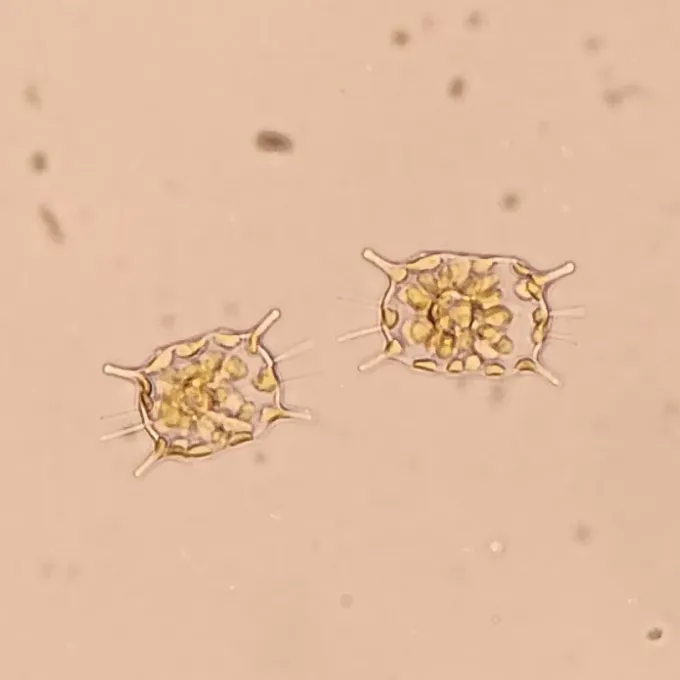
Description
Symptoms
The primary symptom of an Odontella presence is a visible brown or yellowish slime accumulating inside irrigation pipes and reservoir walls.
An earthy or stale odor emanating from the nutrient tank is a strong indicator of an algal bloom occurring within the hydroponic system.
The nutrient solution may become cloudy or discolored, which indicates that the algae are actively drawing nutrients and competing with the crops.
Plants often show signs of nutrient deficiency, such as chlorosis or stunted growth, as the diatoms compete for minerals in the rhizosphere.
Root systems may appear slimy, which inhibits their ability to absorb oxygen and effectively uptake essential nutrients from the solution.
Pathogen
Odontella is a genus of diatomaceous algae that can thrive in aquatic environments, including hydroponic nutrient solutions and aquaculture systems.
These organisms are unicellular and possess a characteristic silica shell, which gives them high resilience and specific structural integrity.
While not a traditional parasite, they act as an invasive biological agent in controlled agricultural environments, rapidly colonizing available surfaces.
The biology of Odontella involves the formation of colonies connected by delicate horn-like projections, which facilitate their spread through water channels.
Understanding their life cycle is crucial for greenhouse managers, as they can adapt to various light intensities and nutrient concentrations.
Conditions for development
The most critical factor for the development of Odontella is light exposure; any light reaching the nutrient solution will trigger rapid photosynthesis.
High nutrient concentrations, particularly phosphates and nitrates, provide an ideal medium for the explosive growth of diatom colonies.
Optimal temperatures for Odontella development typically range between 18°C and 25°C, common in modern greenhouse environments.
Stagnant water in systems without sufficient aeration or constant flow creates stagnant zones where algae can establish and multiply quickly.
The introduction of spores through contaminated water sources or poorly sanitized equipment allows the algae to persist throughout the growing season.
Why it matters
Odontella is highly detrimental to irrigation hardware, as it causes clogging in emitters, sprayers, and filters, leading to pump failure.
These algae compete for vital micronutrients, leading to reduced plant biomass and lower yields for commercial hydroponic producers.
The decay of accumulated algal mats can lead to the proliferation of secondary pathogens, such as root rot-causing bacteria and fungi.
The metabolic activities of the algae can destabilize the pH of the nutrient solution, creating a harsh environment for sensitive plant roots.
Cleaning and downtime associated with severe Odontella infestations represent significant economic losses for agricultural businesses.
Protection
The most effective preventative measure is the light-proofing of all reservoirs and piping to prevent any photosynthesis from occurring.
Incorporating UV sterilization units into the water circulation system can effectively eliminate free-floating diatom cells before they colonize surfaces.
Routine sanitation cycles using hydrogen peroxide or agricultural-grade algaecides ensure the integrity of the irrigation system is maintained.
- Light-shielding all nutrient reservoirs.
- Regular UV treatment of water supplies.
- Strict hygiene protocols for all equipment.
Maintaining a balanced nutrient solution and performing regular filter maintenance are essential steps to keep Odontella under control.
Discussion
No discussions yet — be the first.