
Octaviania asterosperma
Octaviania asterosperma
Description
Pathogen
Octaviania asterosperma is a species of fungus in the family Boletaceae that lives in a subterranean manner. It is essential to clarify that this fungus is not a plant pathogen and does not cause agricultural crop diseases.
As a mycorrhizal fungus, it establishes a mutually beneficial relationship with the roots of host trees. This symbiosis enhances nutrient uptake for the host, supporting forest health and tree vigor.
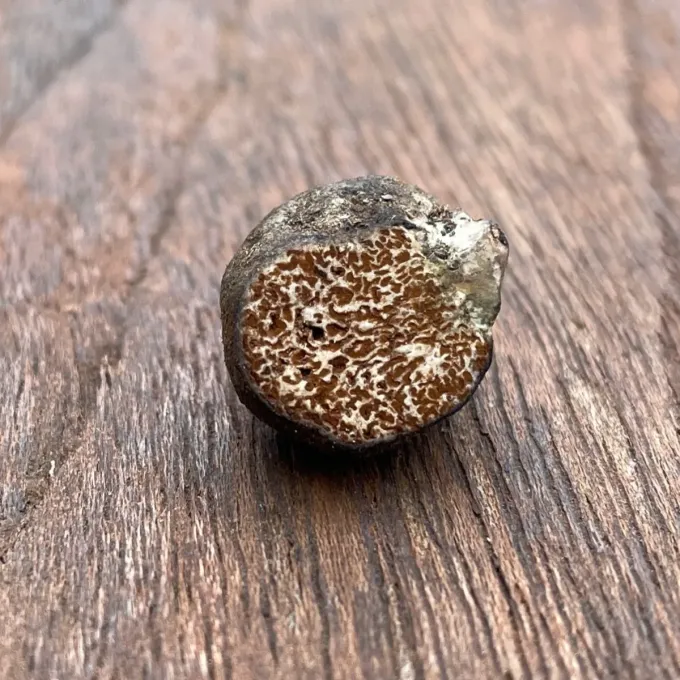
The fruiting bodies of this species, known as sporocarps, are hypogeous, meaning they develop underground or within thick layers of leaf litter, which makes them difficult to find without specialized search methods.
The spores of Octaviania asterosperma are microscopically distinct, featuring a star-shaped appearance, which serves as the diagnostic morphological character for the species.
Biological studies of this fungus highlight its role in the decomposition of organic matter and the facilitation of nutrient cycling in forest soils, contributing to overall ecosystem stability.
Conditions for development
The development of Octaviania asterosperma is strictly regulated by environmental variables found in mature forest ecosystems. The fungus requires stable soil moisture levels to ensure the successful formation of sporocarps.
Soil quality is another critical factor, as the species favors sites with high organic content and well-developed humus layers. It is highly sensitive to soil compaction and artificial chemical fertilizers.
Temperature fluctuations are moderated by the leaf litter layer, which provides a protective microclimate for the developing fungus, preventing it from desiccating during dry spells.
A specific association with host tree species is the primary prerequisite for its presence. The fungus obtains essential carbohydrates from the tree while providing mineral support in return.
Ecological studies indicate that the species thrives in areas with minimal human disturbance, suggesting that forest preservation is the most effective way to protect this delicate mycorrhizal fungus.
Discussion
No discussions yet — be the first.