
Neozygites fresenii
Neozygites fresenii
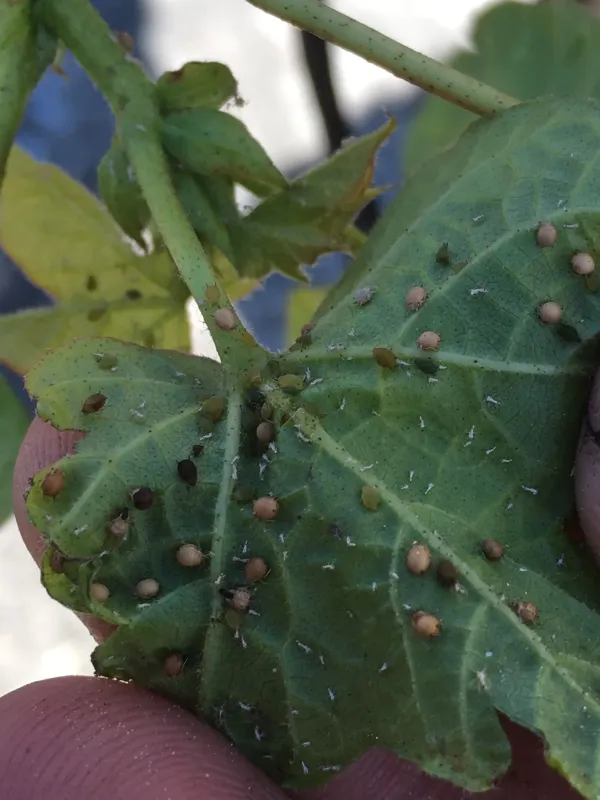
Description
Pathogen
Neozygites fresenii is a highly specialized entomopathogenic fungus belonging to the order Entomophthorales. It serves as a vital natural agent in regulating the populations of various spider mite species in agricultural ecosystems.
The fungus infects its host by penetrating the cuticle using specialized appressoria. Once inside, it rapidly colonizes the host, consuming tissues and nutrients, which inevitably leads to the death of the mite.
The life cycle involves the production of conidia that are easily dispersed by wind, allowing the fungus to spread rapidly across mite-infested fields when conditions are favorable.
Unlike parasitic fungi that attack plants, this species is entirely focused on arthropod hosts, making it an essential component of sustainable agriculture.
Scientific studies highlight its high virulence against spider mites, positioning it as one of the most effective natural enemies for biocontrol programs.
Conditions for development
The development of the fungus is strictly dependent on environmental factors, primarily humidity and temperature. Relative humidity levels above 80% are essential for successful sporulation and infection.
Moderate temperatures, typically ranging from 20°C to 28°C, provide the ideal window for the fungus to complete its life cycle and initiate widespread epizootics within mite colonies.
Host population density is another critical factor; the fungus spreads most effectively when mite populations are sufficiently high to facilitate frequent contact between individuals.
Morning dew or leaf wetness significantly enhances the ability of conidia to attach and germinate on the host's body, promoting rapid infection spread.
Extended drought periods can inhibit fungal activity, which often leads to a resurgence of spider mite populations due to the temporary lack of biological pressure.
Why it matters
Neozygites fresenii is not a plant pathogen; it is a beneficial fungus that acts as a natural control agent. It does not cause any harm to the physiological structure or yield of crops.
The fungus prevents the damage typically caused by spider mites, such as chlorosis, leaf shedding, and reduced photosynthetic capacity in various crops like cotton.
There are no recorded instances where this fungus has negatively impacted plant growth, crop quality, or the health of beneficial pollinators.
Its role is strictly protective, serving as an ally to farmers by reducing the need for synthetic chemical interventions throughout the growing season.
By effectively suppressing mite populations, the fungus helps maintain the overall vigor and productivity of agricultural fields without the environmental footprint of chemical pesticides.
Protection
The primary strategy for utilizing Neozygites fresenii is the conservation of its natural presence. Avoiding the use of broad-spectrum fungicides is essential for its survival.
Integrated Pest Management (IPM) practices should prioritize the monitoring of fungal activity before deciding on any chemical mite control measures.
Promoting a favorable microclimate within the field, such as proper irrigation practices, can help sustain the humidity levels required for fungal growth.
Farmers should be trained to identify signs of fungal infection in mite colonies, as this allows for the omission of unnecessary chemical spraying.
- Avoid non-selective fungicide applications.
- Implement site-specific monitoring for biological control.
- Maintain agricultural conditions that support natural ecosystem services.
Discussion
No discussions yet — be the first.