
Neozygites floridana
Neozygites floridana
Description
Pathogen
Neozygites floridana is an entomopathogenic fungus belonging to the order Entomophthorales. It is a highly specialized biological agent that primarily targets members of the Tetranychidae family, commonly known as spider mites.
The infection process begins when fungal conidia adhere to the cuticle of the host. The fungus then penetrates the mite's body, where it grows vegetatively, consuming the internal nutrients and causing the death of the pest.
Once the host dies, the fungus produces new spores that are released into the environment. These spores can be spread by wind or physical contact, leading to rapid disease transmission within dense mite populations.
Unlike traditional diseases that affect plants, this fungus is a beneficial organism in agriculture. Its ability to act as a self-sustaining regulator makes it a subject of extensive research for integrated pest management.
This species is characterized by its narrow host range, which ensures that its activity does not negatively impact beneficial insects or the crops themselves, making it an ideal candidate for biological control programs.
Conditions for development
The development of the fungus is strictly dependent on environmental factors, with relative humidity being the most significant. High humidity levels, ideally above 70-80 percent, are necessary for the successful germination of fungal spores.
Temperature also plays a vital role, with an optimal range between 20 and 25 degrees Celsius. While the fungus can survive outside these parameters, its growth rate and infection success significantly decrease in extreme heat or cold.
The density of the spider mite population acts as a catalyst for infection outbreaks. High pest density increases the probability of spore transmission, leading to massive epizootics in the field or greenhouse.
Presence of leaf moisture, such as dew or light precipitation, helps create the microenvironment needed for the fungus to thrive. Such conditions allow the fungus to effectively infect mites residing on the undersides of leaves.
Agricultural management practices that optimize canopy microclimate can support the natural prevalence of the fungus. Maintaining these conditions can reduce the need for synthetic chemical interventions against spider mites.
Why it matters
Neozygites floridana is not harmful to crops; rather, it is highly beneficial for agricultural production. By decimating spider mite populations, it preserves the integrity of the plant's photosynthetic system.
Infested mites stop feeding almost immediately after the fungus penetrates their tissues. This stops the damage to leaf epidermis, which is crucial for preventing crop yellowing, leaf drop, and overall yield reduction.
Because the fungus is a natural predator, it does not induce the same resistance patterns often seen with chemical miticides. It provides a reliable long-term solution for managing pest outbreaks across multiple crop generations.
The use of this fungal pathogen supports the transition towards sustainable and organic farming. It reduces the need for toxic chemical pesticides, ensuring that the final agricultural produce meets higher safety standards.
By keeping mite populations in check, the fungus helps maintain the ecological balance of the agroecosystem, promoting biodiversity and reducing the environmental footprint of agricultural activities.
Protection
Implementing biological control using this fungus requires careful timing. It is important to avoid applying fungicides that might accidentally suppress the fungal pathogen while trying to manage other crop diseases.
Water management is a key strategy for fostering fungal activity. Proper irrigation techniques can help maintain the required humidity levels in the crop canopy, indirectly supporting the natural spread of the pathogen.
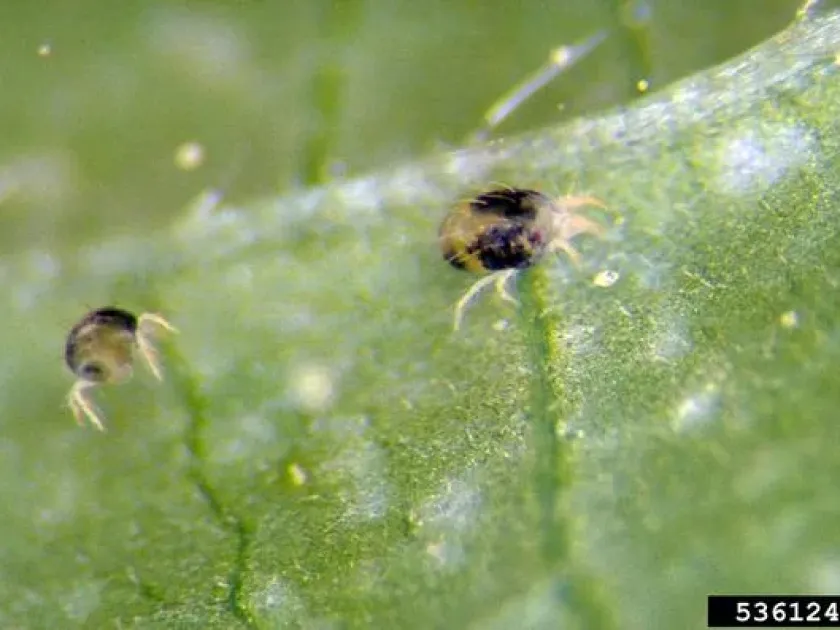
Effective monitoring involves observing mite colonies for signs of infection. Infected mites often appear darkened or mummified, providing a visual indicator that the biological control agent is active in the field.
Integrated Pest Management (IPM) programs should consider the presence of natural fungal populations before deciding on chemical treatments. If high levels of fungal infection are detected, chemical applications may be delayed or reduced.
- Maintain optimal field humidity levels.
- Avoid broad-spectrum fungicides during outbreaks.
- Regular scouting for mite population dynamics.
- Preserve natural microclimate for beneficial fungi.
Discussion
No discussions yet — be the first.