
Neottiella rutilans
Neottiella rutilans
Description
Symptoms
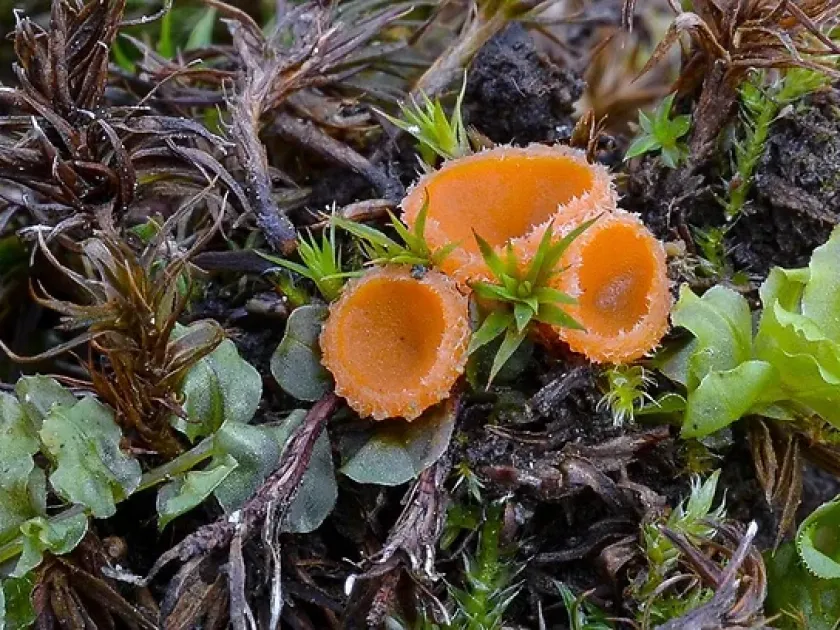
Neottiella rutilans is characterized by its small, bright orange to reddish cup-shaped fruit bodies that appear directly on the ground.
These apothecia typically measure between 5 and 15 millimeters in diameter and lack a distinct stalk, sitting flush against the substrate.
The exterior surface of the cup often displays fine, white hairs, which are a key diagnostic feature for mycologists and researchers.
As the spores mature, the inner surface of the disc may become more vibrant, providing a stark contrast against the green mosses they colonize.
The fungus frequently grows in small, clustered groups, making it noticeable within dense patches of moss during wet seasons.
Pathogen
This fungus is an ascomycete species belonging to the family Pyronemataceae, known for its association with bryophytes.
Its life cycle involves the formation of sexual spores within asci, which are then released to colonize suitable mossy environments.
Neottiella rutilans primarily acts as a facultative parasite or saprotroph, relying on moss tissues or decaying organic matter.
The mycelium develops within the upper layers of the soil and the rhizoids of the host moss, establishing a complex biological relationship.
Understanding the reproductive biology of this fungus is essential for assessing its presence in forest soil ecosystems and forest nurseries.
Conditions for development
The development of Neottiella rutilans is highly dependent on humidity, thriving in damp conditions with stable moisture levels.
It typically favors sandy to loamy soils that support a healthy layer of moss, which provides the necessary microenvironment for the fungus.
Optimal growth temperatures for the formation of fruit bodies are generally cool to moderate, often occurring in spring and autumn.
Adequate soil aeration is important, but the presence of moss is the most critical factor determining the fungus's successful colonization.
It is rarely found in highly disturbed or dry habitats, preferring protected areas within forests where environmental conditions remain consistent.
Why it matters
Neottiella rutilans does not pose a direct threat to agricultural crops and is generally considered ecologically harmless.
In forestry settings, it may compete with mosses, which can affect the local humidity levels beneficial for seedling development.
The fungus acts more as an indicator of environmental conditions, such as high soil moisture and moss cover, rather than a significant pathogen.
Its impact on plant health is negligible, and it does not cause diseases that require extensive management in commercial farming.
The primary concern regarding this fungus is its potential to colonize nursery substrates if they remain overly damp for extended periods.
Protection
Since the species is not an agricultural pest, specific control measures are typically unnecessary in most horticultural applications.
If management is required to reduce moss cover in sensitive areas, improving drainage and soil aeration is the most effective approach.
Preventative measures include maintaining clean cultivation practices and managing humidity levels to discourage fungal colonization.
While broad-spectrum fungicides can inhibit the development of ascomycetes, they are rarely justified for the control of Neottiella rutilans.
Focusing on balanced soil moisture and preventing water stagnation in containers or soil beds is sufficient to keep populations in check.
Discussion
No discussions yet — be the first.