
Neottiella hetieri
Neottiella hetieri
Description
Pathogen
The causal agent of this condition is the soil-borne fungus Neottiella hetieri, classified as an ascomycete. It typically functions as a saprotroph, utilizing decaying organic matter within the soil profile for growth.
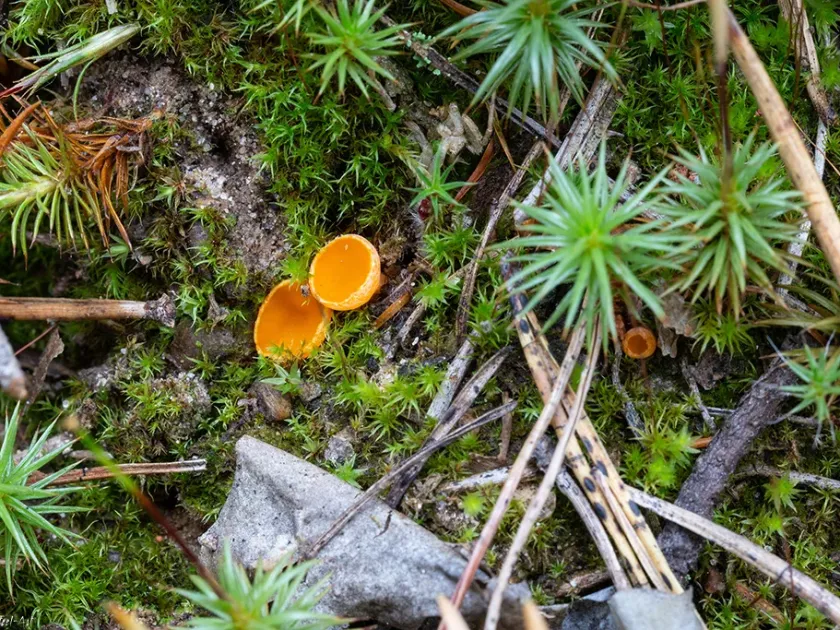
The biological cycle involves the formation of apothecia, which are small cup-shaped fruiting bodies appearing on the substrate surface. These structures house the spores necessary for the fungus to propagate and colonize surrounding areas.
The fungus thrives in environments rich in plant debris, which provides the necessary carbon sources for its metabolic processes. Neottiella hetieri effectively breaks down organic materials, facilitating nutrient cycling in natural systems.
While often benign, this fungus can act as an opportunistic pathogen when soil conditions favor its rapid proliferation. It interacts with the root zones of various plants, sometimes causing localized growth stress.
Current research continues to explore the complex interactions between this ascomycete and the soil microbiome. Understanding its ecological niche is vital for predicting its potential impact on agricultural productivity.
Conditions for development
The development of Neottiella hetieri is highly dependent on high moisture levels in the soil. Poorly drained fields or areas prone to waterlogging provide the ideal microclimate for the fungus to flourish.
Temperature plays a significant role in its development, with moderate temperatures often promoting faster mycelial growth and subsequent spore production. Sudden weather changes can influence its reproductive timing.
Large amounts of surface residues provide an excellent habitat for the pathogen. Conservation tillage practices that leave significant organic material on the topsoil can lead to higher populations of this fungus.
Soil pH is another critical factor influencing the colonization success of Neottiella hetieri. Certain acidic conditions facilitate its competitiveness against other soil microorganisms.
Overall, the combination of high humidity, moderate temperatures, and abundant organic matter serves as the primary environmental driver for the spread of this fungal species within agricultural systems.
Why it matters
The primary concern regarding Neottiella hetieri in agriculture is its potential to suppress early-stage root development. Infected seedlings often exhibit stunted growth and reduced vigor during critical growth phases.
By impeding the root system's ability to absorb essential water and nutrients, the fungus indirectly reduces the overall yield potential of the crops. This effect is most pronounced in susceptible, high-value crops.
High population densities in the soil can lead to uneven plant stands, complicating field management and harvest. The uneven development of the crop often results in inferior final produce quality.
The fungus may produce biochemical exudates that alter the rhizosphere, creating an environment that is hostile to beneficial soil flora. This loss of microbial diversity negatively impacts plant immunity.
Economic losses arise not only from reduced yields but also from the added costs associated with implementing mitigation measures to restore soil health and protect the crop population.
Protection
Effective management of Neottiella hetieri starts with improving field drainage to prevent moisture saturation. Maintaining an optimal water balance in the soil is crucial for discouraging fungal proliferation.
Incorporating crop residues deep into the soil through proper tillage helps accelerate decomposition, removing the pathogen's primary food source. Systematic crop rotation disrupts the life cycle of the fungus.
Liming acidic soils can help create a less favorable environment for the pathogen while promoting overall soil health. Balancing soil pH is an effective long-term preventative strategy.
Seed treatment with professional-grade fungicides provides a protective shield for germinating seeds against soil-borne pathogens. This ensures a uniform and strong crop start.
The application of biological control agents, specifically Trichoderma species, offers a sustainable method to suppress Neottiella hetieri. These antagonistic fungi effectively compete with the pathogen for resources, keeping its population in check.
Discussion
No discussions yet — be the first.