
Neottiella
Neottiella
Description
Symptoms
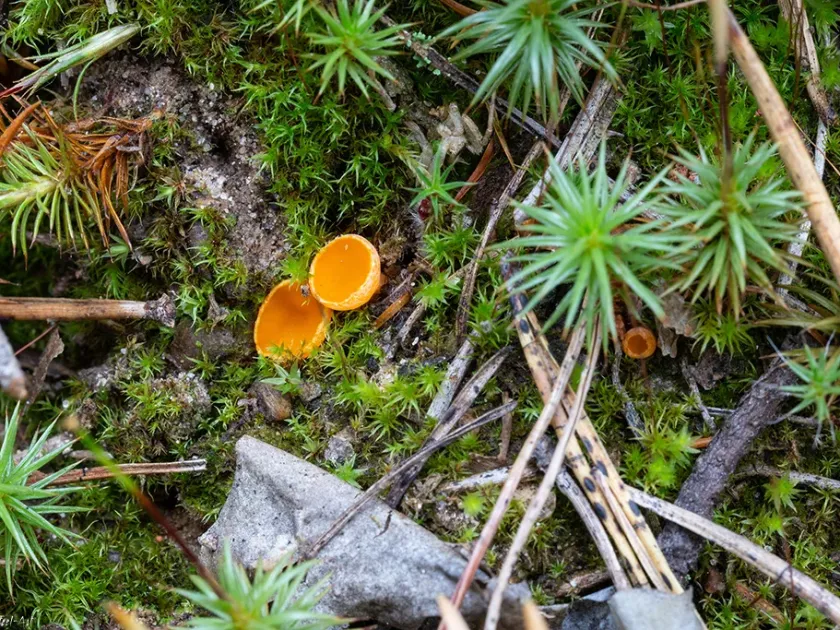
The most visible sign of Neottiella presence is the appearance of bright orange apothecia around the base of the plant stem or on the soil surface within the root zone.
Infected plants exhibit general symptoms of decline, such as yellowing of the lower leaves (chlorosis) which eventually progress to tissue necrosis and leaf drop.
Root systems show signs of decay, becoming brittle and discolored. The physical impairment of roots significantly reduces the plant's capacity to absorb nutrients and water.
Stunted growth is a common observation, as the fungus competes for resources and disrupts the plant’s vascular system, leading to a general loss of vigor.
- bright orange cup-shaped fungal bodies;
- chlorosis and yellowing of the foliage;
- progressive root rot and decay;
- noticeable growth retardation;
- wilting during daylight hours despite adequate hydration.
Pathogen
Neottiella is a genus of fungi belonging to the Ascomycota division. While primarily known as saprotrophic soil organisms, they can exhibit opportunistic pathogenic behavior on plants under specific environmental stress conditions.
The fungus produces distinctive cup-shaped or disc-shaped fruit bodies, known as apothecia, which typically display bright orange or yellowish colors. These structures appear on damp soil or decaying organic matter.
The life cycle involves the production of spores that disperse via wind, water splashes, or contaminated agricultural tools, facilitating spread across cultivated fields or greenhouse benches.
As a facultative parasite, Neottiella thrives in organic-rich soils where it can easily colonize roots or basal stem tissues of vulnerable or weakened plant hosts.
Biological monitoring of this fungus is essential for plant nurseries and greenhouses, where high moisture levels often create perfect conditions for its establishment and colonization.
Conditions for development
The development of Neottiella is strongly favored by excessive moisture and high humidity, which are common in poorly ventilated greenhouse environments.
The fungus prefers acidic soil conditions and is frequently found in substrates containing fresh or improperly composted organic materials, providing a rich energy source for mycelial growth.
Moderate temperatures ranging from 15°C to 22°C (59-72°F) provide the optimal environment for spore germination and the rapid expansion of the fungal colony.
Compacted soils with poor drainage inhibit root oxygenation and create anaerobic pockets, making plants more susceptible to fungal attack.
Crowded plant density, which prevents proper airflow, allows moisture to remain on the soil surface, creating a continuous environment for fungal proliferation.
Why it matters
The primary harm caused by Neottiella is the inhibition of nutrient uptake, which results in diminished plant vigor and reduced yields in vegetable and ornamental crops.
Infected plants are often unable to reach their full physiological potential, leading to lower quality produce and increased vulnerability to secondary opportunistic pathogens.
Large-scale infestations in nurseries can result in the total loss of seedlings, creating significant economic challenges for commercial growers.
The long-term presence of this pathogen in the soil can alter the microbial balance, making it increasingly difficult to sustain healthy plant growth in subsequent cycles.
Damaged root structures weaken the plant's resilience to external abiotic stressors, such as drought or extreme temperatures, leading to sudden plant death.
Protection
The primary control strategy involves strict irrigation management to prevent water stagnation in the root zone and ensure proper soil aeration.
Improving soil pH through liming is an effective practice to make the environment less hospitable for Neottiella, which prefers acidic soil conditions.
Ensure that all compost or organic amendments are fully decomposed before use, as fresh organic matter serves as a primary substrate for this fungus.
Regular sanitation of greenhouse surfaces and the removal of decaying plant debris are essential to limit the inoculum pressure and break the fungal life cycle.
In cases of confirmed infection, the application of targeted systemic fungicides can help suppress fungal development and protect the root system from further colonization.
Discussion
No discussions yet — be the first.