
Neospermospora
Neospermospora
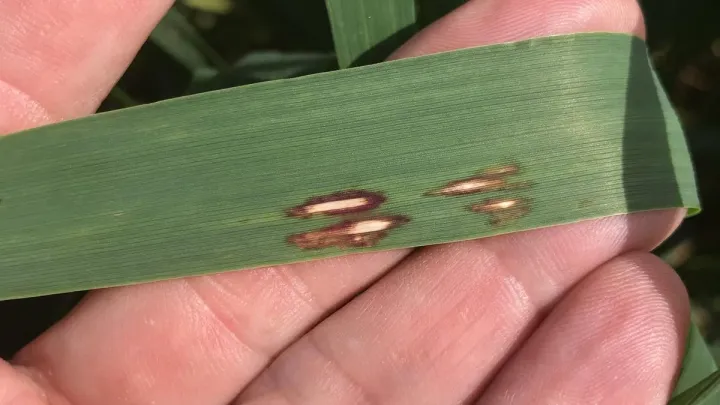
Description
Symptoms
Initial symptoms are characterized by small chlorotic spots on the foliage that gradually enlarge and transition into necrotic, discolored lesions.
A distinctive feature of the infection is the development of fungal fruiting bodies on the underside of leaves, often appearing as a thin, grayish dusty growth.
As the disease progresses, necrotic areas may merge, resulting in large blighted patches that lead to premature wilting and drying of the entire leaf.
Stem infection is also possible, which manifests as weakening of the stalks, potentially leading to lodging and harvest difficulties in severe cases.
In advanced stages of infection, the entire canopy may take on a prematurely withered appearance, significantly reducing the crop's aesthetic and economic value.
Pathogen
The disease is caused by fungi belonging to the Neospermospora genus. These pathogens are known for their ability to colonize cereal crops and disrupt physiological processes within the leaf tissue.
The fungus reproduces via conidia, which are efficiently dispersed by wind and rain splash, allowing the pathogen to spread across agricultural landscapes rapidly.
The pathogen is highly persistent, capable of surviving in infected crop residues, which serves as a major reservoir for primary infection in the following seasons.
Under favorable conditions, the mycelium penetrates the epidermis of the plant, extracting nutrients and causing progressive degradation of the cellular structure.
Biological monitoring confirms that the virulence of Neospermospora can fluctuate depending on the strain, necessitating proactive monitoring of field health throughout the growing season.
Conditions for development
The spread of this pathogen is highly dependent on environmental variables, with high humidity levels and frequent rainfall being the primary catalysts.
Moderate temperatures ranging from 15 to 25 degrees Celsius create an ideal environment for spore germination and rapid colonization of the host plant.
Fields with high planting density often suffer more from this disease because the lack of air circulation maintains a humid microclimate inside the canopy.
Poor agricultural practices, such as continuous cropping of susceptible varieties in the same field, significantly increase the risk of an epidemic.
Extended periods of cloud cover and morning dew facilitate the infection cycle, making susceptible varieties particularly vulnerable in damp coastal or riverine regions.
Why it matters
The primary economic impact of the disease is the substantial reduction in grain yield caused by the destruction of photosynthetic tissue in leaves.
Reduced photosynthesis limits the plant's ability to fill the grain, leading to smaller, shriveled kernels and a significant decrease in final test weight.
Severe infestations can lead to early senescence, causing the crop to mature prematurely before the grain has reached full development and optimal quality.
The physical weakening of stems due to fungal pressure increases the risk of lodging, which makes mechanical harvesting much less efficient and causes yield losses.
Beyond quantity, the infection can negatively influence the overall quality parameters of the harvest, impacting marketability for both food and feed purposes.
Protection
Management of the disease starts with cultural practices such as crop rotation, which breaks the pathogen’s life cycle and reduces the initial inoculum level in the soil.
Thorough incorporation of crop residues into the soil during tillage operations is essential to accelerate decomposition and destroy the fungus's overwintering sites.
Applying fungicides at the onset of disease symptoms can effectively halt the progression of the infection and protect the remaining healthy foliage.
Selecting and planting resistant or tolerant crop varieties remains the most sustainable approach to managing the disease in intensive farming systems.
- Regulating plant density to improve canopy airflow.
- Using certified, disease-free seed treated with fungicides.
- Ensuring balanced fertilization to promote robust plant growth and immunity.
Discussion
No discussions yet — be the first.