
Neoscytalidium
Neoscytalidium
Description
Symptoms
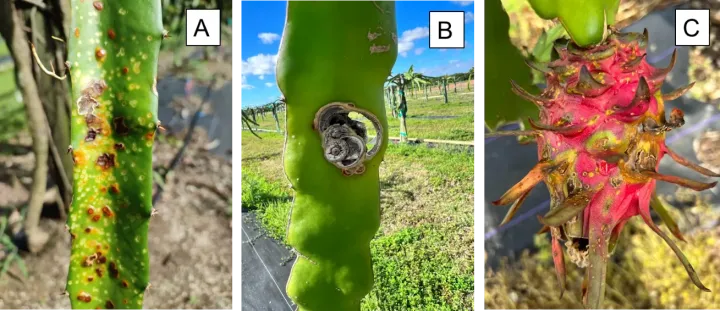
Symptoms often begin as localized bark discoloration, turning into sunken, necrotic lesions or cankers. The bark in these areas may become brittle, crack, and exhibit characteristic dark sporulation mats.
Gummosis is frequently observed in stone fruit trees infected with Neoscytalidium, serving as a physiological reaction to the invading pathogen. The tree attempts to seal off the infection, which often results in visible gum flow.
Leaf yellowing, wilting, and premature drop are classic indicators of vascular distress. As the fungus blocks water transport, branches above the point of infection typically show symptoms of sudden desiccation or dieback.
A cross-section of an infected branch reveals dark, discolored internal tissues. This internal necrosis is a definitive sign of long-term colonization by the fungus, signifying that the vascular system is heavily compromised.
- Darkening and necrosis of bark.
- Sunken cankers and deep fissures.
- Gummosis and dark spore masses.
- Progressive dieback of branches and foliage.
Pathogen
Neoscytalidium is a genus of anamorphic fungi, with Neoscytalidium dimidiatum being the most recognized plant pathogen. It affects a wide range of woody hosts, including fruit trees, ornamental plants, and various shrubs globally.
The pathogen is highly versatile, capable of surviving harsh environmental conditions through the production of arthroconidia. It functions as a facultative parasite, persisting in infected woody tissue and plant debris for extended periods.
Dissemination occurs primarily through conidia, which are spread by wind, rain splashes, and human activity. The fungus typically enters the host through pruning wounds, insect damage, or natural cracks in the bark.
Once inside, the fungus colonizes the xylem, rapidly obstructing the vascular system. This disruption prevents the movement of water and nutrients, eventually leading to the death of the infected branches and the entire plant if untreated.
Advanced studies indicate that the fungus secretes specialized cell-wall-degrading enzymes that allow it to penetrate deeply into the host’s wood structure, making it difficult for the plant to contain the infection.
Conditions for development
Neoscytalidium thrives in environments characterized by high temperatures and moderate to high humidity. These conditions are ideal for the metabolic activity and spore germination of the fungus.
Host plants experiencing environmental stress, such as drought, poor soil management, or incorrect irrigation, are significantly more susceptible to infection. Stress weakens the natural defense mechanisms of the host.
Mechanical injury is the most common portal of entry. Pruning, especially when performed with contaminated tools, is a significant factor in the spread of the pathogen within orchards and garden settings.
Crowded plantings that impede airflow and maintain stagnant pockets of moisture create a favorable microclimate for infection. Increased canopy humidity facilitates the spread of spores from infected to healthy wood.
Inappropriate fertilization, specifically excessive nitrogen application, leads to the production of lush, succulent tissue. This type of growth is more vulnerable to pathogen penetration compared to hardened, naturally developed wood.
Why it matters
The primary damage caused by Neoscytalidium is the slow but steady killing of the host tree. Because the infection targets the vascular system, the damage is internal and often irreversible by the time external symptoms appear.
Infected trees suffer from significantly reduced vigor and productivity. In orchards, this can lead to substantial economic losses due to the necessity of removing entire trees to contain the spread of the pathogen.
The fungus is highly persistent; it can survive in the soil and on residual plant matter for years. This makes it challenging to replant susceptible species in the same area without risk of recurring infection.
Managing the disease is complicated by the fact that there are limited effective systemic fungicides available. Consequently, the pathogen can quickly devastate a garden if sanitary practices are not strictly implemented.
Widespread outbreaks can affect the biodiversity and aesthetic value of landscapes, requiring long-term monitoring and intensive management to prevent total destruction of the susceptible woody plant population.
Protection
Sanitation is the most critical management strategy. Infected branches must be pruned at least 15–20 cm below the visible symptoms into healthy wood, and all clippings should be removed and incinerated immediately.
Tool hygiene is vital to prevent transmission. Pruning equipment must be disinfected after every cut using alcohol or an appropriate disinfectant solution to avoid spreading fungal spores across the orchard.
Preventative applications of copper-based fungicides can help protect trees by creating a barrier on the bark and fresh pruning cuts, reducing the likelihood of successful fungal colonization.
Maintaining tree health through proper irrigation and balanced fertilization helps the plant build resilience. A vigorous plant can better compartmentalize the infection, slowing down the progression of the disease.
When establishing new plantings, choose resistant varieties and ensure sufficient spacing to promote good air circulation. Proper canopy management is an essential preventive measure against the establishment of Neoscytalidium.
Discussion
No discussions yet — be the first.