
Neopyrenochaetaceae
Neopyrenochaetaceae
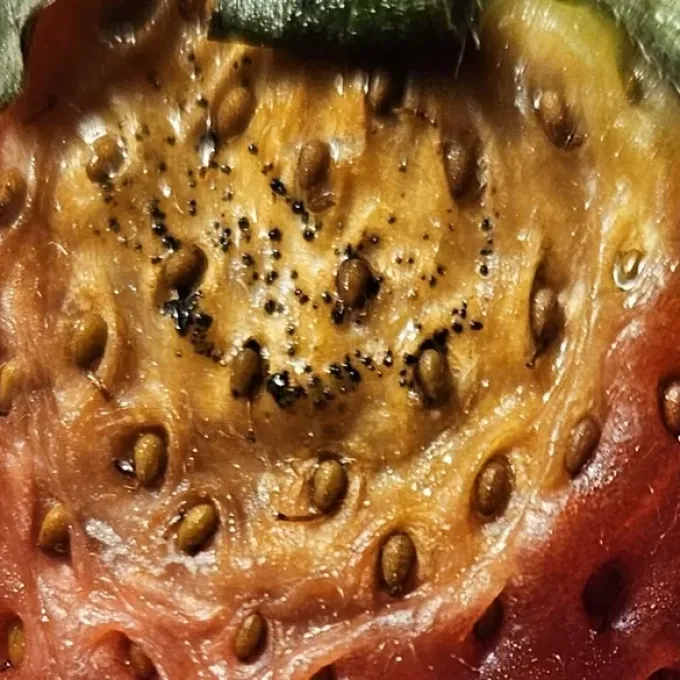
Description
Symptoms
The primary symptoms of infection include necrotic lesions on the roots and root collar. Tissues often turn dark brown or nearly black as the decay progresses.
Plants infected with Neopyrenochaetaceae show signs of general decline, such as leaf chlorosis, curling of leaf blades, and stunted growth.
In high-humidity environments, tiny dark spots—the fruiting bodies of the pathogen—may become visible on the surface of infected tissues.
Root system damage impairs the plant's ability to absorb water and nutrients, leading to sudden wilting during the hottest hours of the day.
A characteristic diagnostic feature is the disintegration of the root epidermis, which leads to the sloughing off of the bark and exposure of the central cylinder when pulling the plant from the soil.
Pathogen
The Neopyrenochaetaceae family includes highly specialized fungi belonging to the class Dothideomycetes. These pathogens are coelomycetes that form pycnidia, specialized structures for asexual reproduction.
These fungi are characterized by their ability to persist for long periods in soil or crop residues as mycelium or pycnidia. Their life cycle is closely linked to the physiological stress or weakened immunity of host plants.
Fungi of this family are frequently associated with root rot diseases. They employ enzymatic mechanisms to penetrate the vascular tissues of the host plant.
Conidia are primarily dispersed through rainwater splashes, irrigation water, or via contaminated soil particles moved during agricultural operations.
Genetic studies confirm their placement within the order Pleosporales, which accounts for their robust survival capabilities in diverse environmental conditions.
Conditions for development
The most favorable conditions for infection are high soil moisture combined with moderately warm air temperatures.
Neopyrenochaetaceae prefer heavy, poorly aerated soils, where waterlogging triggers root rot development and facilitates the rapid spread of the pathogen.
The critical period for infection is the active growth phase of the crop, as the root system is particularly vulnerable to mechanical damage during this time.
Failure to implement crop rotation and cultivating susceptible species on the same plot for multiple years significantly increases the soil's infectious potential.
Insufficient sunlight and poor air circulation in greenhouses can also accelerate fungal growth on the aerial parts of the plants.
Why it matters
The economic impact of Neopyrenochaetaceae lies in significant yield reduction due to premature death or systemic weakening of the plant's productive organs.
Infection degrades the market quality of the produce: fruits lose weight, and root vegetables become unsuitable for long-term storage due to secondary rotting.
On an industrial scale, the disease can cause mass seedling failure (damping-off), necessitating costly replanting of entire fields.
The pathogen can cause damage not only during the growing season but also during storage if fungal spores are transferred to the harvest during picking.
Economic losses include costs for fungicide treatments, the loss of a portion of the marketable yield, and decreased overall farm profitability.
Protection
The cornerstone of management is strict crop rotation, ensuring that susceptible crops do not return to the same plot for at least 3–4 years.
A crucial preventive measure is the use of certified, disease-free planting material that has undergone prior fungicide treatment.
To prevent spread, it is necessary to perform deep tillage of crop residues and regularly disinfect greenhouse equipment and structures.
- Application of biological products based on Trichoderma to suppress pathogen activity in the soil.
- Management of irrigation to prevent waterlogging of the root zone.
- Application of systemic fungicides at the first sign of disease.
Liming acidic soils creates an unfavorable environment for fungal development and promotes the strengthening of cell walls in cultural plants.
Discussion
No discussions yet — be the first.