
Neophloeospora
Neophloeospora
Description
Symptoms
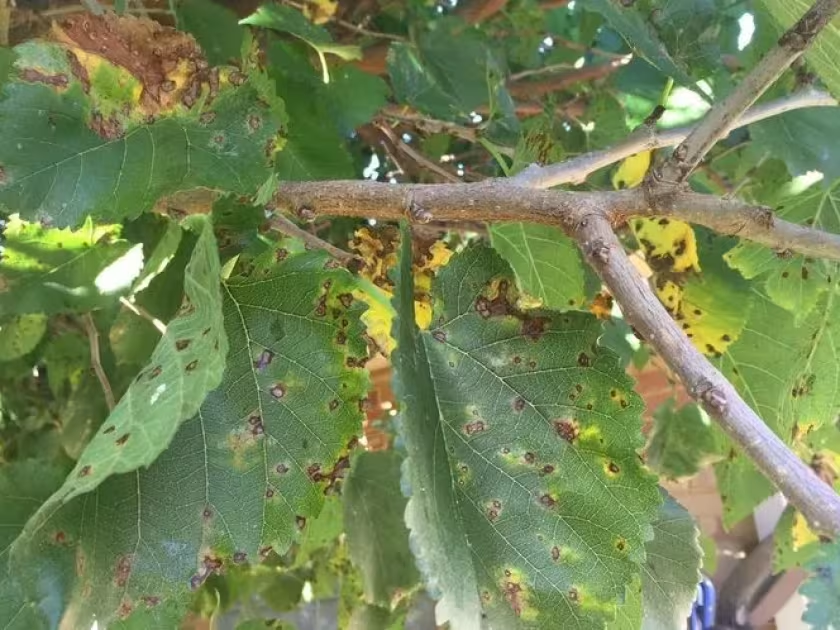
The most prominent sign of Neophloeospora is the appearance of leaf spots. These spots may vary in size and color, often appearing as necrotic, brown, or tan lesions on the foliage during the growing season.
Upon closer inspection, small, dark fruiting bodies known as pycnidia can often be seen within the necrotic tissue. Their presence confirms the fungal nature of the disease and indicates active spore production.
In cases of severe infestation, individual lesions can coalesce, covering large parts of the leaf surface. This loss of healthy leaf area causes chlorosis, premature wilting, and eventually leaf shedding, which significantly stresses the plant.
High-humidity conditions often induce the formation of a fuzzy or granular growth on the surface of the spots. This represents the accumulation of conidia and conidiophores of the pathogen, which may appear as a discolored coating.
Besides leaves, the pathogen can also infect stems, petioles, and occasionally fruit. Lesions on these parts often present as depressed ulcers or sunken spots, which disrupt the plant's vascular integrity and structural health.
Pathogen
The disease is caused by fungi of the genus Neophloeospora, which belong to the class Ascomycota. These pathogens are specialized parasites that infect plant tissues and rely on them for nutrition throughout their life cycle.
The fungus develops by invading the host tissue and forming mycelium. It produces conidia within specialized structures called pycnidia, which emerge through the epidermis of the leaves or stems to release spores for secondary infection.
Survival of the pathogen primarily occurs through dormant mycelium or pycnidia found on crop residues left on the soil surface. These residues act as the main reservoir for the initial infection in the spring season.
Dissemination of conidia is driven by splashing rain, wind, and movement of equipment or insects. These mechanisms facilitate the movement of spores across fields and between neighboring plants, often leading to rapid spread.
The fungus is adapted to penetrate plant defenses by entering through stomata or mechanical wounds. Once inside, it secretes specific metabolites that damage plant cells, leading to the characteristic spotting associated with the disease.
Conditions for development
The development of Neophloeospora is heavily dependent on moisture. Prolonged periods of rainfall, heavy dew, or high humidity are critical for the germination of spores and the subsequent colonization of host tissues.
The optimal temperature range for the fungus to thrive typically falls between +18 and +25 degrees Celsius. Under these conditions, the incubation period is shortened, allowing for faster reproduction and disease cycling.
Crowded plantings and lack of proper air circulation significantly increase the risk of an outbreak. Stagnant air keeps foliage wet for longer periods, providing the perfect environment for the pathogen to establish infection.
Agricultural practices that leave crop debris exposed allow the fungus to persist from year to year. Fields with poor sanitation levels are consistently at higher risk of experiencing early and severe infections.
Plant vigor plays a crucial role in disease susceptibility. Plants under environmental or nutritional stress are more prone to infection because they lack the metabolic resources to mount an effective defense against the fungal invasion.
Why it matters
The primary harm caused by Neophloeospora is the reduction of the plant's photosynthetic capacity. By destroying healthy leaf tissue, the disease limits the energy production needed for growth, flowering, and fruit development.
Yield loss is a common consequence of infection, as plants prioritize survival over production when under stress. Severe outbreaks can lead to stunted growth and a significantly reduced harvest quality.
Infected produce often suffers from decreased shelf life and aesthetic damage. Lesions on fruit or harvestable parts reduce their market value and make them more susceptible to opportunistic secondary rot pathogens.
Early leaf drop forces the plant to enter dormancy or the winter season prematurely. This reduces the accumulation of stored reserves, which can impact the plant's survival and performance in the following growing season.
Managing the disease requires significant labor and material investments. Farmers may face increased costs due to fungicide applications and the potential need for destroying highly infected crop patches to prevent spread.
Protection
Effective management begins with sanitation practices, such as the removal or deep burial of infected plant residues. This disrupts the life cycle of the fungus by eliminating its primary overwintering sites.
Proactive chemical control is essential in high-risk environments. Fungicides should be applied based on local weather forecasts and the appearance of the first symptoms to prevent large-scale spread of the pathogen.
Cultural strategies such as proper plant spacing, balanced fertilization, and maintaining adequate drainage help reduce humidity around the canopy. These adjustments make the environment less hospitable for fungal growth.
Integrating disease-resistant varieties and utilizing certified, disease-free planting material is the most sustainable approach to minimizing the impact of Neophloeospora on farm operations.
Monitoring the field frequently is critical. Early identification of the first symptoms allows for targeted spot-treatments, which are more environmentally friendly and cost-effective than broad-spectrum systemic spraying later in the season.
Discussion
No discussions yet — be the first.