
Neopestalotiopsis zimbabwana
Neopestalotiopsis zimbabwana
Description
Symptoms
The first symptoms of infection typically manifest as small, irregular spots on the leaves. As the disease progresses, these spots expand, often turning dark brown or black and sometimes showing a light-colored halo.
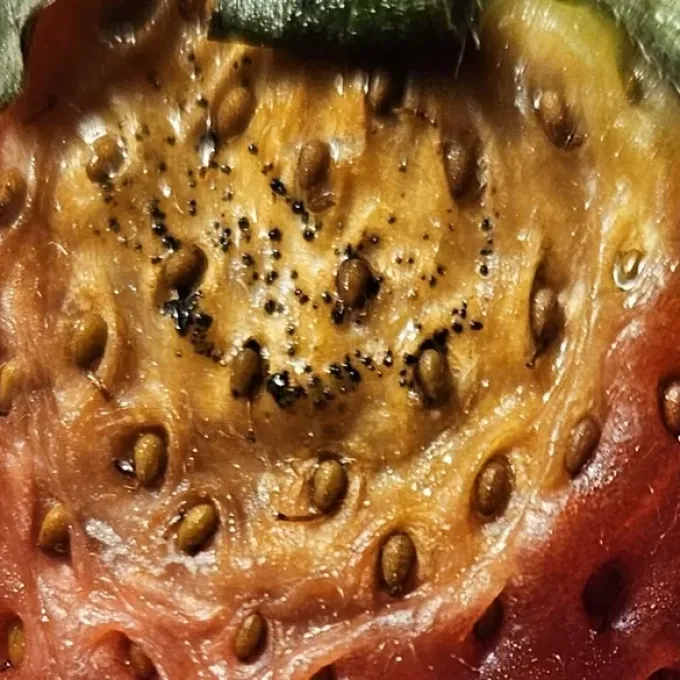
Under humid conditions, small, black, dot-like acervuli emerge within the necrotic tissue. These structures release thousands of spores, which appear as a whitish or slightly greyish mass, serving as the primary indicator for field diagnosis.
When the fungus infects stems or twigs, it creates deep cankers or lesions that weaken the structural integrity of the plant. This often leads to wilting, dieback, and, in severe cases, the complete death of the affected branch.
Root system infection leads to the decay of the roots, which become brown and soft. This prevents the plant from absorbing water and nutrients, resulting in overall chlorosis, stunted growth, and eventual wilting.
Fruit infection is characterized by soft, sunken rot spots that quickly colonize the entire fruit surface. Eventually, the fruit becomes mummified or turns into a mass of fungal sporulation, rendering it completely inedible.
Pathogen
Neopestalotiopsis zimbabwana is a fungal pathogen belonging to the Pestalotiopsidaceae family. It is a filamentous fungus that reproduces primarily through the production of conidia within specialized fruiting bodies known as acervuli.
The fungus is characterized by its ability to persist in plant debris and soil for extended periods, making it a challenging pathogen to manage. It thrives by colonizing the vascular and parenchymal tissues of host plants, eventually causing necrotic lesions.
Research indicates that Neopestalotiopsis species have been reclassified recently, with N. zimbabwana being recognized for its specific host range and pathogenicity patterns. Its identification typically relies on a combination of morphological examination and DNA sequence analysis.
This pathogen demonstrates a high degree of adaptability to different host environments, often colonizing a wide variety of commercial crops, including berries, ornamental trees, and several horticultural species.
Transmission of the fungus primarily occurs through water splash, wind, and contaminated tools. The movement of infected nursery stock is a major factor in the geographic dispersal of this fungal disease.
Conditions for development
Neopestalotiopsis zimbabwana development is strongly favored by high relative humidity and warm temperatures, typically ranging from 20°C to 28°C. These conditions are ideal for both mycelial growth and sporulation.
High moisture levels, such as those caused by persistent rainfall or excessive overhead irrigation, facilitate the spread of the pathogen. Wet foliage provides the necessary environment for spores to germinate and infect healthy plant tissues.
Poor ventilation, caused by overcrowding or dense canopy structures, creates a stagnant microclimate that keeps leaves wet for longer periods, thus increasing the window of opportunity for fungal infection.
The presence of wounds, whether caused by pruning, insects, or environmental stress, significantly increases the risk of infection. The fungus readily enters plant tissues through these open pathways.
Plants weakened by poor fertilization, drought stress, or cold damage are significantly more susceptible to Neopestalotiopsis infections compared to robust, well-maintained crops.
Why it matters
The primary economic impact of this disease is the reduction in marketable yield. Infected crops often suffer from significant quality degradation, making them unsuitable for fresh market sale or industrial processing.
In nursery settings, the pathogen can cause mass plant mortality. This lead to substantial financial losses, as entire batches of seedlings may need to be discarded to prevent further spread of the infection.
Long-term soil contamination is a major issue, as the fungus can persist in the environment. This restricts future cultivation options, forcing farmers to leave fields fallow or switch to non-susceptible crops for several years.
The persistence of the disease reduces the overall longevity of perennial plants. Affected plants show a gradual decline in vigor, productivity, and resilience against secondary environmental threats.
Increased production costs arise from the necessity of frequent fungicide applications and the implementation of rigorous sanitation protocols required to contain and mitigate the impact of the pathogen.
Protection
The cornerstone of management is the use of high-quality, certified, and disease-free plant material. Quarantine and screening protocols are essential to prevent the entry of the pathogen into clean growing areas.
Sanitation is critical; all pruning equipment should be disinfected regularly using alcohol or bleaching solutions. Infected plant material must be removed and destroyed immediately, preferably through burning or deep burial.
Chemical control involving fungicides with systemic or contact action is effective if applied early. Products containing active ingredients like copper compounds or strobilurins are often recommended by agricultural specialists.
Implementing proper cultural practices, such as optimizing plant spacing for better airflow and adopting drip irrigation, significantly reduces the environmental factors that promote fungal spread.
Biological control agents, particularly certain strains of Trichoderma, have shown promise in suppressing Neopestalotiopsis by colonizing the root zone and outcompeting the pathogen for space and nutrients.
Discussion
No discussions yet — be the first.