
Neopestalotiopsis leaf spot of roses
Neopestalotiopsis rosicola
Description
Symptoms
Initial symptoms include small, irregular spots on the leaves that gradually expand, turning into dark brown or gray lesions often surrounded by a light-colored halo.
As the infection progresses, these spots coalesce, covering large parts of the foliage, eventually leading to chlorosis and premature leaf drop that severely weakens the rose bush.
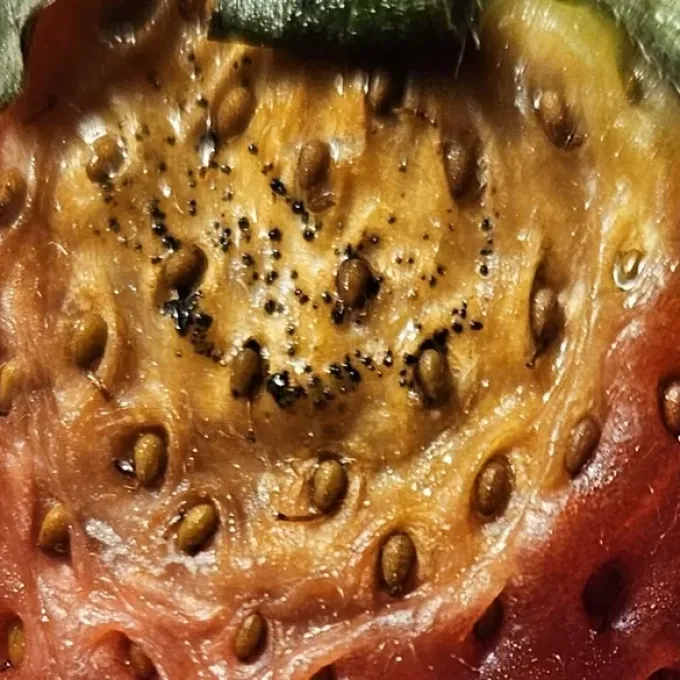
Close inspection of the necrotic areas reveals tiny black dots; these are the acervuli of the fungus where massive amounts of spores are produced to facilitate further spread.
On stems, the disease manifests as cankers that can girdle the branch, leading to the wilting and dieback of the plant sections distal to the infection point.
Under high humidity conditions, a grayish or whitish fungal growth may appear on the necrotic tissues, indicating active sporulation and high infection pressure in the area.
Pathogen
The causative agent of the disease is the pathogenic fungus Neopestalotiopsis rosicola. This fungus is a known opportunistic pathogen that invades host tissues, particularly when the plant's health is compromised.
The pathogen produces characteristic conidia (spores) inside specialized fruiting structures known as acervuli, which appear as tiny black dots on the surface of infected leaves and stems.
It is classified as a necrotrophic fungus, causing tissue necrosis and decay. The spores of this fungus can persist for extended periods in plant debris, soil, and even on contaminated garden tools.
Biologically, the fungus infiltrates the epidermis and vascular tissue of the rose, effectively disrupting the plant's nutrient and water transport systems, which leads to localized chlorosis and death.
Due to its ability to survive in various environments, Neopestalotiopsis remains a significant challenge for rose growers in both greenhouse and outdoor commercial settings.
Conditions for development
Neopestalotiopsis rosicola thrives in high humidity environments, typically exceeding 80% relative humidity, which is common during prolonged rainy spells or in poorly ventilated greenhouses.
The temperature range between +20°C and +28°C is considered the optimum for the rapid development of the fungus, leading to exponential growth of mycelium and sporulation.
Poor plant spacing and lack of air circulation create a microclimate that prevents foliage from drying quickly, providing the ideal conditions for spore germination and tissue colonization.
Free moisture on leaf surfaces is a critical factor for the infection process; therefore, overhead irrigation is a major risk factor if leaves remain wet for several hours.
Plants under physiological stress—due to nutrient deficiency, excessive nitrogen, or mechanical injury—are significantly more susceptible to successful colonization by this pathogen.
Why it matters
The primary damage caused by this disease is the massive loss of photosynthetic leaf area, which severely reduces the plant’s ability to synthesize energy and maintain healthy growth.
In decorative rose production, even mild infections can render blooms and foliage unsalable, leading to substantial financial losses for commercial nurseries and cut-flower producers.
Severe stem cankers can cause the death of major structural branches, which not only ruins the plant's architectural form but also increases the risk of systemic decline.
Persistent infection weakens the overall vigor of the rose, significantly reducing its winter hardiness and ability to recover from other environmental or pest stresses.
In neglected cases, the cumulative effect of foliage loss and stem damage can lead to the total death of the rose bush, making it a serious threat to collection gardens.
Protection
Effective management begins with rigorous sanitation practices, including the regular removal and destruction of all infected leaves and prunings to reduce the primary inoculum load.
Adopting proper irrigation techniques, such as drip irrigation, helps keep the foliage dry, which significantly inhibits the germination of fungal spores and disease progression.
When chemical intervention is required, systemic fungicides targeting broad-spectrum fungal pathogens, specifically those effective against ascomycetes, are highly recommended.
- Maintain proper plant spacing to ensure good air circulation.
- Sanitize all pruning tools regularly to prevent spreading the pathogen.
- Apply preventive copper-based fungicides during high-risk, humid periods.
For severe outbreaks, implement a structured fungicide rotation program to effectively suppress the disease and prevent the development of resistant fungal strains within your rose garden.
Discussion
No discussions yet — be the first.