
Neopestalotiopsis rosae
Neopestalotiopsis rosae
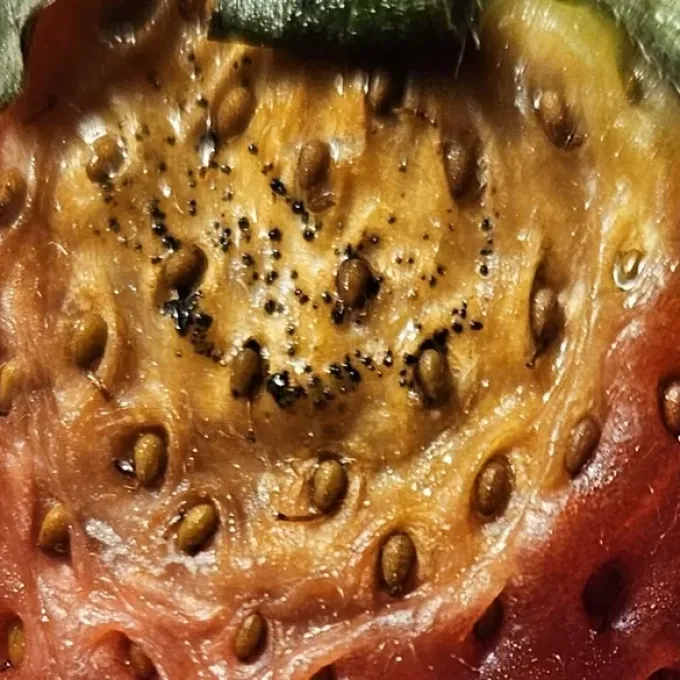
Description
Symptoms
Early symptoms include small chlorotic spots on leaves that progressively develop into brown or dark necrotic areas with distinct margins.
A notable feature is the appearance of concentric zonation within the spots, indicating the recurring cycles of fungal sporulation on the leaf surface.
Infection on stems often manifests as sunken lesions or cankers. Over time, these cankers can girdle the stem, leading to the wilting and death of distal parts.
During periods of high humidity, grayish-white masses of spores become visible on the surface of the lesions, especially on the underside of leaves or within stem cracks.
Premature leaf drop is common in severe cases, which reduces the plant's overall photosynthetic capacity and weakens the entire rose bush significantly.
Pathogen
The causative agent of this disease is the fungus Neopestalotiopsis rosae, which belongs to the class of Ascomycetes. It is a highly resilient pathogen capable of surviving under diverse environmental conditions.
The life cycle of the pathogen involves the production of conidia, which act as primary inocula. These spores are efficiently dispersed by wind, splashing rain, or overhead irrigation systems.
The fungus invades plant tissues through wounds, pruning cuts, or natural openings like stomata. Once inside, it colonizes the intercellular space, initiating tissue necrosis.
The fungus produces specific enzymes that break down the plant cell walls, allowing the mycelium to expand rapidly throughout the infected host tissue.
Under a microscope, the characteristic morphology of its conidia allows for precise identification, distinguishing it from other common leaf-spotting fungal pathogens.
Conditions for development
High humidity and consistent moisture are the most critical environmental triggers for the development and spread of Neopestalotiopsis rosae.
Warm temperatures, ranging between 20°C and 28°C, provide optimal conditions for the fungus to multiply and infect new host tissues rapidly.
Poor ventilation within dense plantings creates a stagnant, humid microclimate that significantly increases the probability of severe outbreaks.
Improper cultivation practices, such as excessive nitrogen application, produce succulent growth that is significantly more susceptible to fungal penetration.
Contaminated garden tools act as primary vectors for spreading the pathogen between healthy and infected plants if proper sanitation is not practiced.
Why it matters
The primary impact of this pathogen is the drastic reduction in the aesthetic value of roses, rendering them unsuitable for ornamental or commercial markets.
Chronic infections lead to the gradual decline and exhaustion of the plant, making it highly susceptible to winter injury and other secondary pests.
In nursery settings, the pathogen can cause significant economic losses by destroying entire batches of young, vulnerable saplings.
Stem girdling caused by the fungus disrupts the transport of water and nutrients, which inhibits bud formation and stunts the overall growth of the rose.
Once established in the soil or surrounding plant debris, the fungus remains a long-term threat, often requiring years of sanitation to clear the area.
Protection
Strict sanitation is the cornerstone of control: all fallen leaves and infected stem segments must be collected and destroyed immediately to reduce spore load.
Chemical control involves the application of appropriate fungicides, particularly those that are systemic or copper-based, to provide a protective barrier.
Implementing proper pruning techniques to increase airflow and sunlight penetration into the bush is essential to keep the foliage dry.
Always disinfect all pruning shears and tools with an appropriate alcohol or bleach solution between every plant to prevent cross-contamination.
- Utilize drip irrigation to keep the foliage dry and reduce spore splash.
- Maintain balanced soil nutrition to improve natural plant defense mechanisms.
- Source planting material only from reputable nurseries to avoid introducing the pathogen.
Discussion
No discussions yet — be the first.