
Neopestalotiopsis iberica
Neopestalotiopsis iberica
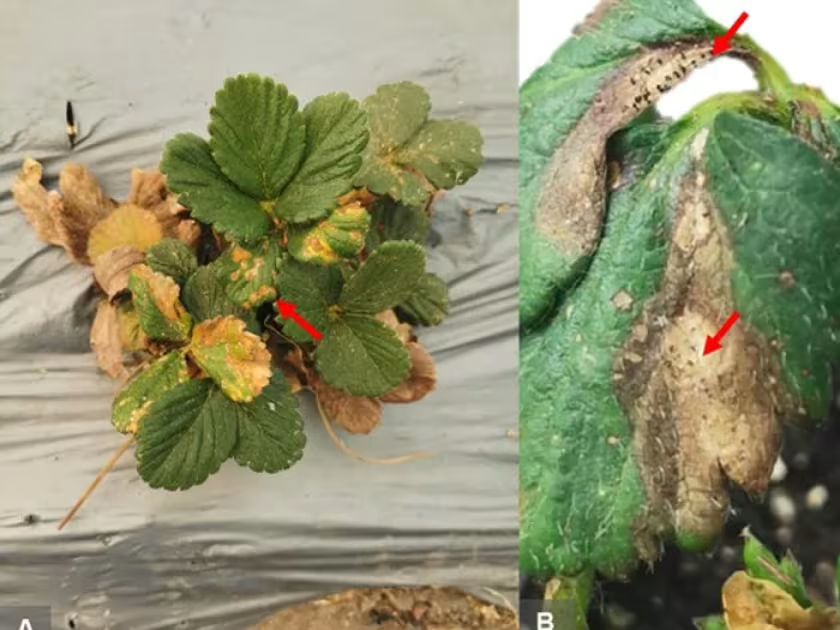
Description
Symptoms
Initial symptoms are characterized by small, chlorotic spots on leaves that gradually enlarge and transition to brown or gray necrotic lesions, often surrounded by a distinct halo or margin.
Black, pinhead-sized structures called pycnidia appear on the surface of necrotic lesions, particularly under high humidity. These structures serve as the primary source of secondary inoculum during the growing season.
Stem infections typically manifest as lesions that eventually cause girdling of the stems or branches, leading to wilting, vascular browning, and premature plant death in advanced stages of the disease.
Root systems may also be compromised, resulting in root rot, stunted development, and reduced nutrient uptake. Plants often appear weak, lack vigor, and show significant decline in growth rates.
Fruit symptoms include soft rot development, which can quickly spread across the harvested product. Affected fruits become mushy, discolored, and ultimately rot, rendering them unsuitable for market or consumption.
Pathogen
Neopestalotiopsis iberica is a fungal pathogen belonging to the Ascomycota phylum. It has recently emerged as a significant threat to various agricultural crops, causing necrotic lesions and severe tissue damage in susceptible host plants.
The fungus is characterized by its robust survival capabilities, residing in soil debris and on infested plant materials. Its lifecycle includes the production of conidia that are easily dispersed by wind, water splashes, and farm equipment during routine operations.
The infection begins when fungal spores land on plant tissue, germinating under favorable moisture conditions. The mycelium penetrates the epidermis through stomata or mechanical wounds, initiating rapid colonization of the intercellular spaces.
Identification of the species often requires precise molecular diagnostic techniques, such as DNA sequencing, due to the morphological similarity between Neopestalotiopsis iberica and other species within the same genus.
This pathogen has demonstrated a high degree of adaptability, spreading rapidly in both field and greenhouse environments, posing a persistent challenge to global crop health and biosecurity protocols.
Conditions for development
High relative humidity, typically exceeding 80%, is the primary environmental factor that promotes the germination and spread of Neopestalotiopsis iberica. Leaf wetness is critical for successful infection.
The pathogen thrives in temperatures between +20°C and +28°C. These conditions accelerate the incubation period and allow for frequent, successive cycles of sporulation and infection.
Poor agricultural practices, such as overcrowding of plants, insufficient spacing, and inadequate greenhouse ventilation, create a stagnant, humid microclimate that significantly favors the spread of the fungus.
Contaminated propagation materials, such as seeds or seedlings, are common pathways for the pathogen to enter previously uninfected fields or greenhouses, leading to widespread outbreaks.
Equipment and tools, if not properly disinfected, can also serve as vectors for spores, moving the pathogen from heavily infected zones to healthy sections of the farm or orchard.
Why it matters
The primary economic impact stems from significant yield loss, as the fungus affects both vegetative tissue and the commercial quality of the fruit, making harvests non-marketable.
Post-harvest losses are severe, as the pathogen continues to grow on stored produce. Even a low-level infection in the field can result in total loss of stored batches due to rapid rot progression.
Long-term soil contamination forces farmers to abandon traditional crop rotations or invest in costly soil sterilization treatments, impacting the overall financial stability of the operation.
The reliance on chemical control methods increases production costs and introduces environmental concerns, while the potential for the fungus to develop fungicide resistance remains a major concern.
International and domestic phytosanitary regulations may impose strict movement controls on produce from infested areas, limiting market access and disrupting the supply chain for growers.
Protection
The management of the disease relies on strict phytosanitary measures, including the selection of pathogen-free seedlings and the implementation of rigorous quarantine procedures for new materials.
Effective agricultural management involves removing and destroying infected plant debris, improving air circulation through proper plant spacing, and ensuring adequate drainage to prevent excess humidity.
Chemical control programs involving the strategic application of systemic fungicides can mitigate damage if applied at the early stages of disease development, following label guidelines.
Environmental management in greenhouses, such as monitoring humidity and temperature, is essential to minimize the risk of infection and slow down the potential spread of the fungus.
- Continuous phytosanitary monitoring.
- Removal and burning of symptomatic plant parts.
- Use of certified, disease-free nursery stock.
- Disinfection of farming tools and greenhouse equipment.
Discussion
No discussions yet — be the first.