
Neopestalotiopsis ellipsospora
Neopestalotiopsis ellipsospora
Description
Symptoms
Initial infection symptoms typically appear as small, circular or irregular spots on the leaves. As the disease progresses, these lesions enlarge and often merge, displaying a tan or greyish center with a dark, necrotic margin.
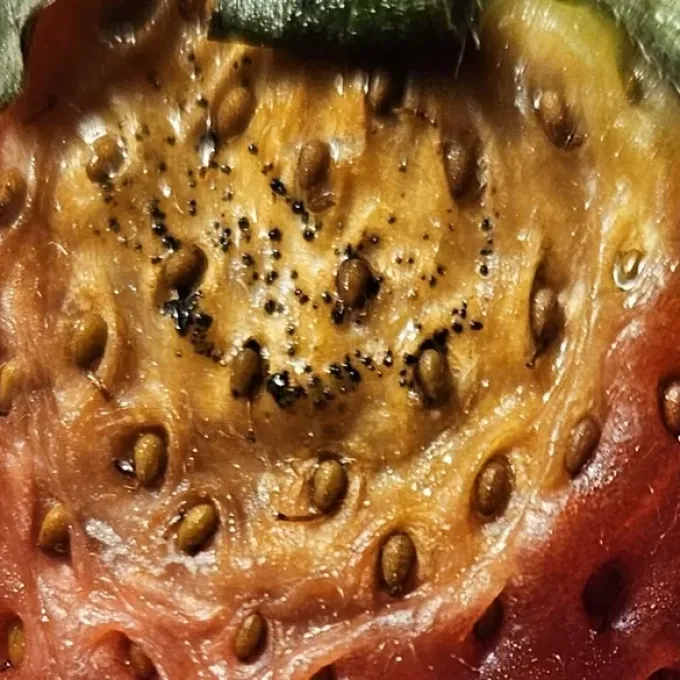
Under conditions of high humidity, tiny black dots—the acervuli of the fungus—appear within the centers of the dead tissue. This feature is a hallmark of the infection and helps differentiate it from chemical burns or abiotic stress.
When the pathogen attacks stems and branches, it causes bark splitting and the formation of deep cankers. In some coniferous species, this is accompanied by resin bleeding or heavy sap exudation near the infection site.
Fruit infection manifests as soft, rapidly expanding rot patches. The tissue quickly loses its structural integrity, and the surface becomes covered with spore masses, rendering the produce unmarketable.
Severe infestations often lead to premature leaf drop and dieback of young, tender terminal shoots, which can significantly stunt the overall growth of the affected specimen.
Pathogen
Neopestalotiopsis ellipsospora is a microscopic fungus classified within the class Sordariomycetes. It acts as a versatile pathogen, capable of infecting a wide variety of woody plants and shrub species in both natural and agricultural settings.
The fungus produces reproductive structures known as acervuli that erupt through the host's epidermal layer. These structures release numerous conidia, which are characterized by their ellipsoidal shape and specialized apical appendages that aid in dispersal.
As a facultative parasite, this organism can survive for long periods in plant debris, bark, or soil as a saprotroph, waiting for the right conditions to initiate a new infection cycle.
Molecular identification is often required to distinguish Neopestalotiopsis species from related genera, as morphological characteristics alone can sometimes be misleading in field diagnostics.
Once inside the plant tissue, the mycelium spreads through intercellular spaces, secreting various enzymes and phytotoxins that degrade cell walls, eventually leading to localized tissue necrosis.
Conditions for development
High relative humidity (above 85%) and the presence of moisture on leaf surfaces are the primary drivers of Neopestalotiopsis outbreaks. Frequent rainfall or heavy dew significantly accelerates spore germination.
The optimal temperature range for the pathogen's growth and colonization is typically between +20°C and +28°C. Within this range, the incubation period is drastically shortened, leading to rapid disease spread.
Plants that are already under stress—due to nutrient deficiencies, drought, or incorrect pruning techniques—are significantly more susceptible to infection compared to healthy, vigorous plants.
Dispersal occurs via wind, splashing water (such as overhead irrigation), and through contaminated gardening tools that transport spores from infected sites to healthy vegetation.
The presence of wounds, whether caused by insect feeding, hail, or mechanical injury during maintenance, provides the perfect entry points for the pathogen to breach the plant's natural defenses.
Why it matters
The primary damage caused by Neopestalotiopsis ellipsospora is the destruction of leaf tissue, which drastically reduces the plant's photosynthetic capacity and weakens its ability to produce energy for growth and fruit development.
The development of cankers on stems can disrupt the vascular system, leading to chronic dieback and potentially the death of the entire plant if the infection reaches the main trunk or root collar.
Economic losses are significant in commercial settings, stemming from reduced fruit quality, loss of marketable yield, and the substantial costs associated with repeated fungicide applications.
In nurseries and greenhouse operations, an outbreak can lead to the quarantine and destruction of entire batches of planting material, causing major disruptions to the supply chain.
Furthermore, the cumulative effect of constant defoliation makes the plants prone to secondary opportunistic infections and makes them less able to recover from other environmental stresses.
Protection
Integrated disease management begins with rigorous sanitation: the prompt removal and destruction of all fallen leaves and infected plant parts is essential to break the infection cycle.
Proper horticultural practices, such as maintaining correct planting density and pruning to improve air circulation within the canopy, help keep the foliage dry and unfavorable for fungal growth.
Sterilizing pruning tools between every single plant is a critical rule that prevents the accidental spread of spores throughout the garden or nursery.
Chemical control involves the timely application of systemic or contact fungicides, especially those based on copper or mancozeb, particularly during wet, humid periods when infection risk is at its peak.
Promoting general plant health through balanced fertilization and stress management ensures that the plant's internal defense mechanisms are fully active and capable of resisting fungal invasion.
Discussion
No discussions yet — be the first.