
Neopestalotiopsis clavispora
Neopestalotiopsis clavispora
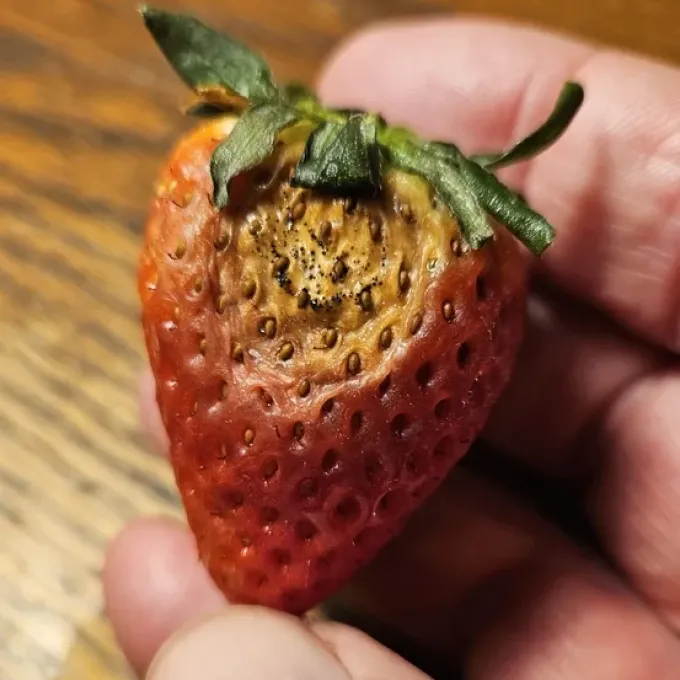
Description
Symptoms
The primary symptom is the appearance of brown or dark grey spots on the leaves, which expand over time, eventually leading to tissue necrosis. Within these spots, tiny black dots (pycnidia) can often be observed.
Lesions can also appear on petioles and stems as sunken ulcers, potentially causing the stems to weaken, break, or cause the plant to wilt. Under high humidity, affected areas may show a white or grey fungal growth.
Fruits infected by Neopestalotiopsis clavispora exhibit rapid decay and loss of commercial value. Rot typically starts on fruit parts in contact with the ground or damaged by pests.
Severe infections lead to massive leaf drop, stunted growth, and general plant decline. The root system also weakens, making the plant less resistant to cold and other environmental stressors.
- Brown necrotic leaf spots.
- Visible black pycnidia on lesions.
- Stem and petiole ulcers.
- Rapid fruit and berry decay.
- Overall suppression of plant development.
Pathogen
The causative agent of the disease is the fungus Neopestalotiopsis clavispora, belonging to the Pestalotiopsidaceae family. It is an ascomycete fungus known for its capacity to produce spores rapidly in favorable conditions.
The mycelium of the pathogen infiltrates plant tissues using enzymatic activity to degrade cell walls. During its development, it creates pycnidia, which are specialized structures housing conidia that are easily dispersed through wind or water splashes.
The fungus is capable of surviving for long periods in plant debris, soil, or on planting material. It is an opportunistic pathogen that can easily switch from a saprotrophic lifestyle to a parasitic one when the host plant is stressed.
Identification of the pathogen often requires molecular analysis, such as DNA sequencing, because it is morphologically similar to other species within the Neopestalotiopsis genus.
This fungus is recognized as a significant threat to various agricultural and ornamental crops, with a particular impact on strawberry cultivation and other berry-producing plants.
Conditions for development
The fungus thrives in environments with high relative humidity (above 85%) and moderate temperatures ranging from 20 to 28 degrees Celsius, which are optimal for conidial germination.
Agricultural practices such as high-density planting and poor ventilation in greenhouses promote disease spread. Overhead irrigation is particularly risky as it splashes spores from the soil onto the foliage.
Mechanical damage caused by insects or during routine field maintenance acts as an entry point for the pathogen, allowing it to bypass the plant's natural defenses.
Plants weakened by poor nutrition or excessive nitrogen fertilization are significantly more susceptible. Maintaining optimal nutrient balance is essential for enhancing plant immunity.
The disease spreads via wind, rain, contaminated tools, clothing, and the movement of infected plant material between nurseries and field locations.
Why it matters
The main impact of this pathogen is a drastic reduction in crop yields. Infected berries become unsellable, leading to major financial losses for growers and producers.
Chronic infection in fields often forces farmers to replace planting material frequently, which increases operational costs and reduces the profitability of the business.
The fungus can continue to cause damage during post-harvest storage and transit, leading to significant spoilage of produce that was initially considered healthy.
The presence of the pathogen in nursery settings is highly concerning, as it facilitates the spread of the disease to new regions, complicating quarantine efforts.
Persistent presence of Neopestalotiopsis clavispora in the soil creates a cycle of infection that is difficult to break without integrated management strategies.
Protection
The first line of defense is the use of healthy, certified plant material. Sourcing plants from reputable nurseries that employ strict sanitary protocols is essential.
Switching to drip irrigation significantly minimizes the risk of water splashing, which prevents spores from moving between plants. Maintaining proper spacing ensures air circulation and keeps leaves dry.
Sanitation is critical; all infected plant debris must be removed and destroyed promptly to lower the inoculum load in the field for the following season.
Chemical control involving fungicides should be applied according to regional regulations. Rotating different modes of action is necessary to prevent the development of fungicide resistance.
Biological control agents, such as beneficial fungi (e.g., Trichoderma species), can be integrated to improve soil health and suppress pathogen growth naturally.
Discussion
No discussions yet — be the first.