
Neopestalotiopsis
Neopestalotiopsis
Description
Symptoms
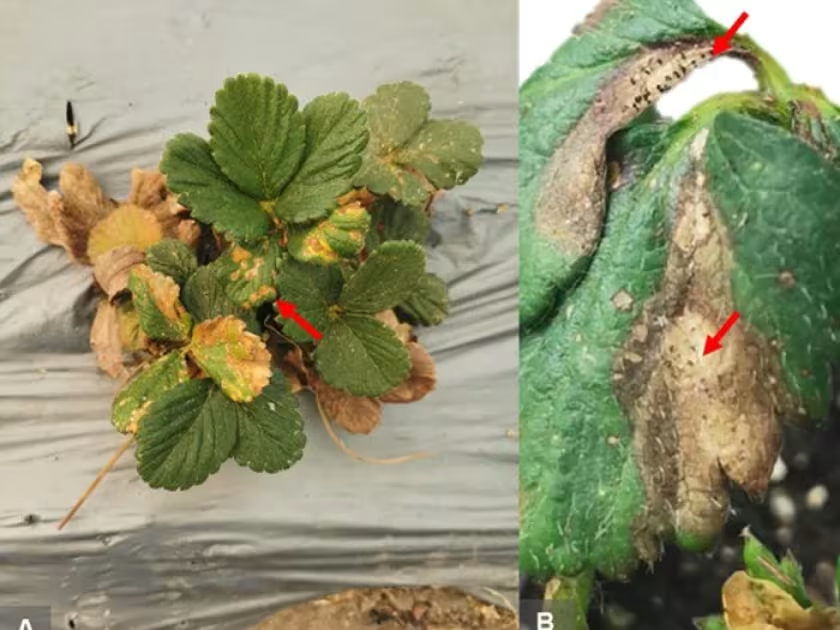
The primary symptom is the appearance of small brown spots on leaves, which gradually enlarge over time. Affected areas often develop a chlorotic halo, and black dots eventually appear in the center of the spots.
Necrotic changes are observed on petioles and stems. In infected strawberries, this leads to wilting and subsequent death of the crown, which is often misidentified as Fusarium wilt.
A characteristic sign is the presence of multiple dark spore-bearing structures on necrotic areas. Under high humidity, a grayish or white mycelial coating can be seen on the surface of the affected tissues.
Fruits infected with Neopestalotiopsis begin to rot, becoming covered with the fungus's sporulating structures. Such berries lose their marketability and rapidly decompose, spreading the infection to healthy neighboring fruits.
The root system undergoes decay as the disease progresses. Roots darken, become brittle, and lose their ability to absorb nutrients, which causes overall stunting of the plant.
Pathogen
The causative agent of this disease is a fungus from the genus Neopestalotiopsis. It is a mitosporic fungus belonging to the order Amphisphaeriales, which has recently become a serious threat to the commercial cultivation of berry and ornamental crops.
The infection is characterized by its ability to affect various parts of the plant, entering through mechanical damage or natural openings. The fungus possesses high mycelial growth rates and an aggressive strategy for colonizing plant tissues.
Reproduction of the pathogen occurs via conidia, which form in specialized structures called acervuli. The conidia of the fungus have a distinct structure, allowing for precise identification through laboratory phytopathological analysis.
The biology of Neopestalotiopsis is closely linked to the presence of weakened zones on the plant. The pathogen often acts as an opportunistic parasite, actively developing under environmental stress or poor management.
The fungus can persist in plant debris, soil, and on the surface of garden tools. Its life cycle includes stages of active vegetative growth and extended dormancy during unfavorable conditions.
Conditions for development
The development of the disease is most intense under conditions of high air and soil humidity. The optimal temperature range for the growth of the pathogen's mycelium is between +20°C and +28°C.
Dense planting, which restricts air circulation, promotes the rapid spread of spores between neighboring plants. In greenhouse production, infections often break out due to insufficient ventilation.
Tissue damage resulting from pest activity or agricultural operations facilitates the entry of the infection. Open wounds serve as "gateways" for primary fungal colonization.
Excessive nitrogen fertilization reduces the overall resistance of plants, making tissues more susceptible to Neopestalotiopsis invasion. Balanced mineral nutrition is critical for plant immunity.
Transmission occurs through water droplets during irrigation, rainfall, and via insects. Non-disinfected tools are one of the main factors for disease transmission on an industrial scale.
Why it matters
The harmfulness of Neopestalotiopsis lies in large-scale yield loss and reduced quality of commercial produce. In cases of severe infection, losses can reach 50–80 percent of the total harvest.
The disease causes premature death of foliage, leading to weakened photosynthesis and reduced plant vigor. Weakened specimens become vulnerable to secondary pathogens.
In nursery production, Neopestalotiopsis infection leads to the culling of massive amounts of plant material, resulting in direct economic losses for growers.
The fungus can remain viable for a long time, making it impossible to grow susceptible crops on infected plots for several consecutive seasons.
Infection of berries renders them unsuitable for storage and transportation. This creates additional risks for supply chains and significantly reduces the profitability of agricultural enterprises.
Protection
The primary prevention method is the use of strictly healthy planting material. Seedlings should only be purchased from certified nurseries with a phytosanitary certificate.
Adherence to crop rotation and the removal of all plant debris after the season significantly lowers the infection pressure in the field. Avoiding high planting density is crucial.
Chemical control involves the use of systemic fungicides during periods of active growth. Preparations based on active ingredients from the triazole and strobilurin groups have shown efficacy.
Regular disinfection of work tools and equipment with antiseptic solutions helps prevent the spread of the pathogen between areas. Maintaining hygiene for staff's hands and clothing is also highly important.
Strengthening plant immunity through potassium and phosphorus fertilization increases tissue resistance to fungal invasion. Controlling pests that cause tissue damage is also essential.
Discussion
No discussions yet — be the first.