
Neoleptosphaeria leaf spot
Neoleptosphaeria
Description
Symptoms
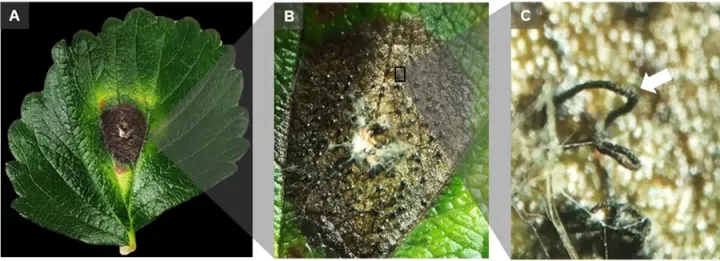
The symptoms of Neoleptosphaeria infection typically manifest as distinct necrotic lesions on leaves and stems. These spots often have a characteristic light-colored center surrounded by a darker margin.
A diagnostic feature of this disease is the presence of small, black, dot-like fruiting bodies called pycnidia scattered within the necrotic lesions. These structures are visible to the naked eye or with a hand lens.
As the infection progresses, the lesions can merge, leading to extensive tissue necrosis and chlorosis. This causes the leaves to curl, yellow, and drop prematurely, which significantly reduces the plant's photosynthetic capacity.
Stem infections are particularly dangerous, as the fungus can girdle the stem, leading to weakness and eventual lodging of the plant. Such damage is often irreversible and makes the crop susceptible to further environmental stress.
Field diagnosis should be confirmed via laboratory culture or PCR analysis to differentiate Neoleptosphaeria from other common fungal pathogens that produce similar necrotic spotting on leaves.
Pathogen
The disease is caused by fungi belonging to the genus Neoleptosphaeria, which are members of the order Pleosporales. These ascomycete fungi are recognized as significant pathogens that impact various crops globally.
The fungus is characterized by a complex life cycle involving both asexual (pycnidiospores) and sexual (ascospores) reproductive stages. This versatility allows the pathogen to persist in various environmental conditions throughout the growing season.
The pathogen primarily overwinters on crop residues. Once favorable conditions arise, the spores are disseminated via wind or splashing rain, initiating a new infection cycle on susceptible host plants in the vicinity.
Once penetration occurs, the mycelium colonizes the plant tissues, leading to the destruction of cells. The fungus exploits the host's metabolic resources, effectively hijacking plant processes to support its own growth and sporulation.
Understanding the molecular biology of Neoleptosphaeria is a priority for plant pathologists today, as it helps in identifying specific genes responsible for virulence and host resistance, which is key for future breeding programs.
Conditions for development
The disease development is heavily dependent on moisture. Prolonged periods of rainfall, high humidity, and overcast skies provide the ideal environment for spore germination and colonization of the plant surface.
Optimal temperatures for the growth of the pathogen range from 15°C to 22°C. In such conditions, the time between infection and the appearance of visible symptoms is drastically reduced, enabling rapid disease spread.
Dense planting patterns are a major risk factor, as they restrict airflow within the canopy. This traps humidity and prevents leaves from drying out quickly, facilitating the infection process.
Fields with significant surface trash from the previous crop year act as a reservoir for the pathogen. In such environments, the risk of early-season infection is significantly higher than in clean-plowed fields.
Low soil fertility and nutrient deficiencies can also exacerbate the symptoms. Stressed plants are generally less capable of defending themselves against fungal incursions, making them highly susceptible targets.
Why it matters
Neoleptosphaeria causes substantial damage by reducing the total green leaf area of the plant. This limitation on photosynthesis directly results in lower biomass and a subsequent decline in total crop yield.
The lodging of crops due to weakened stems causes severe harvesting difficulties, leading to increased grain loss during mechanical operations and lower overall production efficiency.
Seed development is often negatively affected, with infected plants producing shriveled or lightweight grains. This results in poor quality, lower market value, and potential issues with grain storage and stability.
Farmers face significant financial losses not only from yield reduction but also from the increased expenses associated with fungicide applications and additional tillage measures required to suppress the pathogen.
Furthermore, plants affected by this disease show reduced resistance to other opportunistic pathogens, which can complicate management and lead to a total breakdown of the crop’s health in late stages.
Protection
Crop rotation is the primary pillar of management. Avoiding the cultivation of susceptible host species on the same field for at least 3-4 years is essential to reduce the inoculum density in the soil.
Deep plowing or burying crop residues after harvest accelerates the decomposition process, effectively reducing the survival of fungal structures in the soil before the next planting cycle begins.
Fungicide application is necessary in fields with high disease pressure. Products containing triazoles and strobilurins are effective if applied during the early stages of disease development before the canopy closes.
Selecting varieties that show natural resistance or high tolerance to the fungus is the most sustainable long-term solution to mitigate the risk of infection and reduce reliance on chemical inputs.
- Implement a strict 4-year crop rotation cycle.
- Use certified, high-quality disease-free seed.
- Maintain optimal plant spacing for better aeration.
- Regularly scout fields for early signs of lesions.
- Apply fungicides based on local economic threshold levels.
Discussion
No discussions yet — be the first.