
Neolentinus suffrutescens
Neolentinus suffrutescens
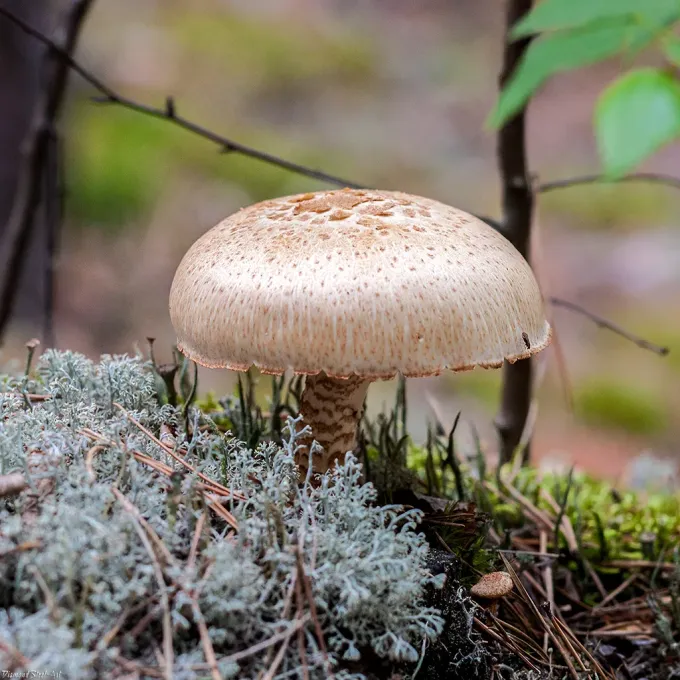
Description
Symptoms
Visible signs of infection include the emergence of leathery or tough fruiting bodies on the trunk or large branches. These are often found near mechanical wounds or areas of bark damage.
Internally, the wood loses its structural integrity and becomes spongy or brittle. Cross-sections of affected wood often reveal significant changes in color and texture compared to healthy tissues.
A decline in tree vigor is a common symptom, manifesting as thinning canopy and yellowing of the leaves. In more advanced cases, the foliage may prematurely wilt and drop off due to impaired water transport.
Peeling or cracking bark often exposes the white or mycelial mats underneath, indicating an established infestation. This area may eventually develop a characteristic decay pattern.
Reduced resistance to environmental stresses, such as wind, is a critical late-stage sign. The structural failure of the trunk or limbs can lead to the total collapse of the tree.
Pathogen
Neolentinus suffrutescens is a fungus belonging to the Basidiomycota division. It functions primarily as a wood-decay pathogen, capable of breaking down cellulose and lignin within living and dead plant tissues.
The fungus typically enters the tree through open wounds in the bark, frost cracks, or improper pruning cuts. Once inside, the mycelium spreads through the vascular system, decomposing the structural components of the wood.
Fruiting bodies are formed on the surface of the affected bark, serving as the main reproductive organs. These structures produce spores that are easily spread by wind and rain throughout the surrounding area.
The biological nature of this fungus makes it highly efficient at colonizing woody substrates. It thrives by extracting nutrients from the host's weakened tissues, gradually compromising the tree's overall stability.
As the fungal colony matures, it can remain active within the tree for several years. The internal degradation process often goes unnoticed until the physical symptoms become visible on the outer bark.
Conditions for development
High humidity and consistent moisture levels are essential for the survival and rapid spread of this fungus. Stagnant air and poor ventilation within the canopy favor spore germination.
Optimal temperatures for mycelial growth typically fall between 18°C and 25°C. In such climates, the fungus spreads much faster than under cool or arid conditions.
Unprotected mechanical injuries from pruning, lawn equipment, or wildlife act as direct entry points for the pathogen. Failure to seal these wounds creates an ideal environment for colonization.
Trees that are already stressed due to poor soil conditions, drought, or nutrient deficiencies are significantly more susceptible to infection. A weak immune system leaves the tree vulnerable.
Close proximity to decaying logs or dead trees in the vicinity increases the risk of spore transmission. Inadequate garden sanitation remains the primary factor for disease development.
Why it matters
The pathogen causes significant economic loss by ruining the quality and structural value of the timber. For fruit trees, it leads to decreased harvest and potential tree mortality.
Beyond crop loss, the physical decay of the tree poses safety risks to people and property. Structurally unsound trees are liable to snap or fall during storms, causing severe damage.
It can quickly spread to other susceptible trees in the orchard, turning one infected specimen into a persistent threat for the entire collection of trees.
The treatment of advanced decay is often unsuccessful, necessitating the complete removal of the tree. This results in the loss of years of growth and significant landscape investment.
Increased maintenance costs associated with monitoring, pruning, and removing diseased trees place a heavy burden on both commercial growers and residential gardeners.
Protection
Sanitation is the cornerstone of prevention; regularly prune dead or damaged branches and dispose of them properly. Always treat large pruning cuts with appropriate sealants to prevent infection.
Maintain tree health through proper fertilization and irrigation. Healthy trees are significantly better equipped to compartmentalize wounds and resist fungal colonization.
Sterilize all pruning equipment with alcohol or disinfectant solutions between each tree to prevent cross-contamination. This practice is crucial in preventing the spread of fungal spores.
Apply whitewash to the trunks of fruit trees to prevent bark cracking and sunscald. A smooth, healthy bark surface is the best natural defense against pathogen entry.
If an infestation is detected early, localized removal of diseased tissue may be performed by a professional. However, if the decay has reached the main trunk, removing the entire tree is often the only way to protect surrounding plants.
Discussion
No discussions yet — be the first.