
Neolectaceae
Neolectaceae
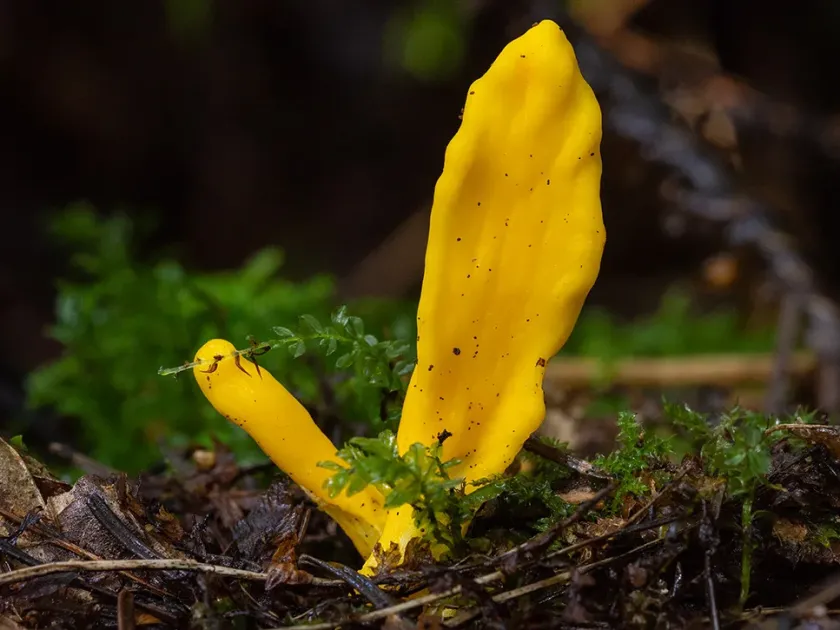
Description
Pathogen
The family Neolectaceae (order Neolectales) consists of a small group of ascomycete fungi that are not classified as plant pathogens.
Unlike true phytopathogens that cause crop diseases, these fungi are primarily saprotrophic, growing in association with soil and forest ecosystems.
Biologically, they represent a primitive lineage of Ascomycota known for their distinctive, club-shaped, bright yellow or orange fruiting bodies.
They do not invade living plant tissues, nor do they induce necrotic symptoms or systemic infections in agricultural plants.
Consequently, they are not agents of plant disease and do not pose any threat to horticulture or field crops.
Conditions for development
Neolectaceae require specific environmental conditions found in natural forest habitats, often favoring moist, humus-rich soil.
Their growth is dependent on environmental stability, high humidity, and the presence of native woody vegetation.
They are not found in managed agricultural lands where intensive soil tilling and crop rotations occur.
Spore dispersal relies on natural wind currents, allowing these fungi to persist within natural, non-disturbed ecosystems.
Optimal developmental conditions for their ephemeral fruiting bodies are linked to periods of high precipitation during spring and autumn.
Why it matters
These fungi do not cause any harm to agricultural products, field crops, or ornamental plants.
They have no negative impact on crop yield, plant development, or the economic productivity of agricultural fields.
Neolectaceae do not produce toxins that affect livestock or human health in an agricultural context.
Their presence in forest soil near farming areas does not lead to root rot or any other soil-borne disease incidence.
Therefore, they are classified as beneficial or neutral components of forest biodiversity rather than threats to agriculture.
Protection
No control measures are necessary, as Neolectaceae are not agricultural pests or disease agents.
Fungicides are completely ineffective and unnecessary against these fungi, as they are not the target of any crop protection strategy.
No preventive actions are required for managing these fungi in professional farming or garden settings.
Agricultural professionals should focus their efforts on managing verified plant pathogens that cause actual economic loss.
In conclusion, this organism is irrelevant to the practice of plant pathology and integrated pest management systems.
Discussion
No discussions yet — be the first.