
Neofusicoccum luteum
Neofusicoccum luteum
Description
Symptoms
The most visible signs of infection are the development of cankers on branches and trunks, often resulting in bark discoloration and deep, depressed necrotic lesions.
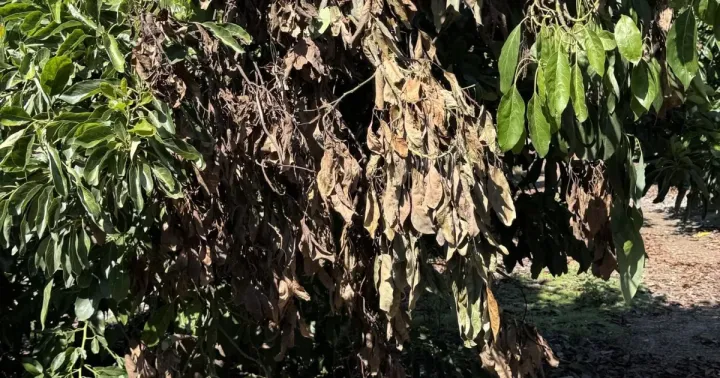
Infected branches often show sudden wilting and leaf browning, where dead leaves may remain attached to the twig for an extended period, signaling vascular impairment.
A cross-section of an infected branch typically reveals a reddish-brown to dark discoloration of the internal woody tissue, which is a classic indicator of the pathogen's presence.
In humid conditions, tiny, black, pimple-like structures (pycnidia) become visible on the surface of dead bark, serving as the source of further inoculum.
Over time, the disease causes severe dieback of entire limbs, leading to a thin canopy, reduced vigor, and eventually the death of the tree if left untreated.
Pathogen
The disease is caused by the ascomycete fungus Neofusicoccum luteum, a member of the Botryosphaeriaceae family. It is a well-known pathogen responsible for dieback and canker diseases in various woody plants and fruit trees.
This fungus often exhibits a latent phase, existing as an endophyte within the host tissue without causing immediate symptoms, which allows it to persist in the orchard undetected.
Dissemination is primarily achieved through conidia produced within pycnidia. These spores are spread by wind, rain splashes, and movement of infested material or pruning tools.
The mycelium colonizes the vascular tissue, causing blockages and necrosis. Its ability to survive in dead wood makes it a persistent threat that is difficult to eradicate completely.
Biological studies show that the pathogen is highly adaptable to various environmental conditions, enabling it to cause significant damage across different climate zones.
Conditions for development
The development and spread of Neofusicoccum luteum are strongly associated with tree stress, particularly drought stress, which lowers the host's natural defenses.
Optimal conditions for infection include warm temperatures and high humidity, which facilitate the release and germination of spores on pruning wounds or environmental cracks.
Mechanical injuries resulting from frost, hail, or improper pruning practices significantly increase the risk of infection by providing easy entry points for the fungus.
Poor orchard hygiene, such as leaving pruning debris on the ground, creates a reservoir for the pathogen, ensuring a constant supply of spores for future infections.
High-density plantings that restrict airflow and maintain a damp microclimate can significantly accelerate the colonization of the fungus throughout the orchard.
Why it matters
The primary impact of the disease is a drastic reduction in fruit yield and quality, as the trees lose their structural and physiological capacity to sustain production.
Continuous dieback necessitates heavy pruning, which alters tree architecture, reduces the tree's lifespan, and can lead to total orchard decline.
Economic losses are substantial due to the costs associated with disease management, tree removal, and the potential loss of entire high-value crop blocks.
The weakened physiological state of the trees makes them highly susceptible to secondary attacks by wood-boring insects, further compounding the damage.
If the pathogen infects nursery stock, it can lead to the widespread dissemination of the disease, causing long-term damage to new and future plantings.
Protection
Effective management requires strict orchard hygiene, including the removal and destruction of all infected wood and dead branches to reduce the inoculum load.
All large pruning cuts should be sealed with appropriate fungicides or protective wound dressings to prevent the entry of fungal spores into the fresh tissue.
Implementing a rigorous cleaning and disinfection protocol for all pruning equipment is crucial to prevent the human-aided spread of the fungus between healthy trees.
Maintaining optimal tree vigor through balanced irrigation and proper nutrition is essential to help trees withstand environmental stress and resist infection.
- Application of preventative fungicides during high-risk periods.
- Monitoring the orchard for early symptoms to act before the disease spreads.
- Selecting resistant varieties or rootstocks where data is available.
Discussion
No discussions yet — be the first.