
Neofusicoccum australe
Neofusicoccum australe
Description
Symptoms
Typical symptoms of infection include localized cankers on stems and branches. These cankers often cause the bark to crack and exude sap or gum, which is particularly common in stone fruit tree varieties.
In grapevines, infection often leads to sudden wilting and dieback of individual canes or arms during the summer heat. Cross-sections of the affected wood often reveal dark, necrotic lesions or characteristic ring-like patterns.
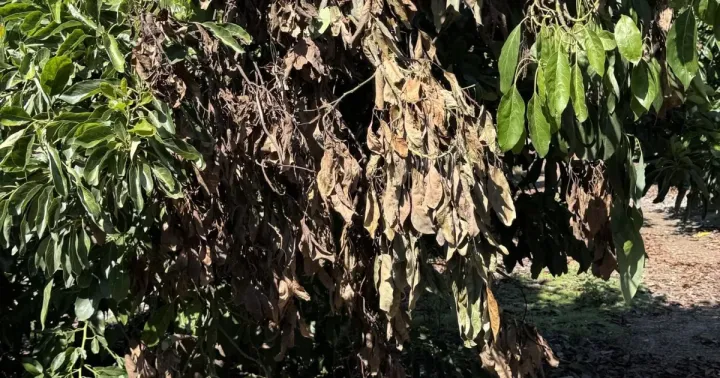
Leaves on infected plants may turn chlorotic, smaller than normal, and drop prematurely. As the disease progresses, the entire plant may show signs of severe decline, reduced vigor, and overall stunting.
Small black fruiting bodies, known as pycnidia, may appear on the surface of the dead bark. These structures confirm the presence of the pathogen and can be observed with a magnifying glass in humid conditions.
Advanced stages of the disease lead to the complete death of branches, which can eventually result in the total mortality of the plant if the infection reaches the main trunk or root crown.
Pathogen
Neofusicoccum australe is an ascomycete fungus belonging to the Botryosphaeriaceae family. It is recognized as a significant plant pathogen that causes severe diseases in a wide variety of woody plants, including grapevines, citrus, and stone fruits.
This fungus often lives endophytically, meaning it resides within the plant tissue without showing immediate symptoms. The transition from an asymptomatic endophytic state to an active pathogenic state is usually triggered by environmental or physiological stress.
The life cycle involves the formation of pycnidia on dead or dying plant parts. These structures release conidia, which act as the primary inoculums for further infection cycles throughout the growing season.
Infection occurs primarily through wounds, such as pruning cuts, cracks caused by hail, or damage from insects. Once inside, the fungal hyphae colonize the plant's vascular tissue, disrupting the transport of water and nutrients.
Due to its high genetic diversity and ability to adapt to various climates, Neofusicoccum australe has become a major concern for agricultural production worldwide, requiring constant monitoring.
Conditions for development
The development of the disease is highly dependent on humidity and temperature. Warm temperatures between +20°C and +30°C combined with frequent rainfall or high humidity facilitate spore dispersal.
Water stress is a primary factor that increases susceptibility. Plants struggling with drought or improper irrigation management are much less capable of resisting the colonization of Neofusicoccum australe.
Transmission within an orchard or vineyard is frequently driven by human activity, particularly through pruning tools. If tools are not sanitized between plants, the fungus is easily spread across the entire plot.
Poor orchard sanitation, characterized by leaving dead wood or prunings on the ground, allows the pathogen to persist and multiply. This creates a high inoculum pressure that threatens neighboring healthy trees.
Insect activity, particularly wood-boring beetles, provides entry points for the spores. A combination of poor plant health and insect pressure creates the perfect storm for severe outbreaks of the pathogen.
Why it matters
The damage caused by this pathogen is severe because it kills the plant from the inside out. This makes it impossible to recover productivity once the vascular system is significantly compromised.
Yield loss is significant, as infected plants focus their remaining energy on survival rather than fruit production. Furthermore, the quality of any fruit produced on diseased wood is usually poor, leading to further financial losses.
Management is complicated by the latent nature of the fungus. Growers may invest time and money into maintaining trees that are already deeply infected, only to realize the severity of the disease when it is too late to treat.
Large-scale outbreaks can force growers to remove entire sections of orchards or vineyards. This involves high costs for removal and site remediation, as the soil may remain contaminated with fungal remains.
The disease undermines the long-term sustainability of horticultural businesses by limiting the longevity of productive stands and increasing the costs associated with disease management and monitoring.
Protection
Effective management begins with strict sanitation practices. All infected wood must be pruned out, removed from the site, and burned to eliminate sources of inoculum for the next season.
Disinfecting pruning shears between every single tree or vine is mandatory. Using a 70% ethanol solution or other recommended disinfectants prevents the mechanical transfer of spores.
Wound protection is vital. Applying sealants or fungicides to large pruning cuts creates a physical barrier that prevents spores from entering the exposed vascular tissues of the plant.
Maintaining optimal tree vigor through balanced fertilization and proper irrigation is key to disease resistance. Healthy plants are better at sealing off minor infections before they become systemic.
- Regular inspection of the canopy for cankers and dieback.
- Controlled and balanced irrigation to avoid water stress.
- Integrated pest management to reduce insect-related damage.
- Timely removal of diseased plant parts.
- Use of certified pathogen-free nursery stock for new plantings.
Discussion
No discussions yet — be the first.