
Neoerysiphe
Neoerysiphe
Description
Symptoms
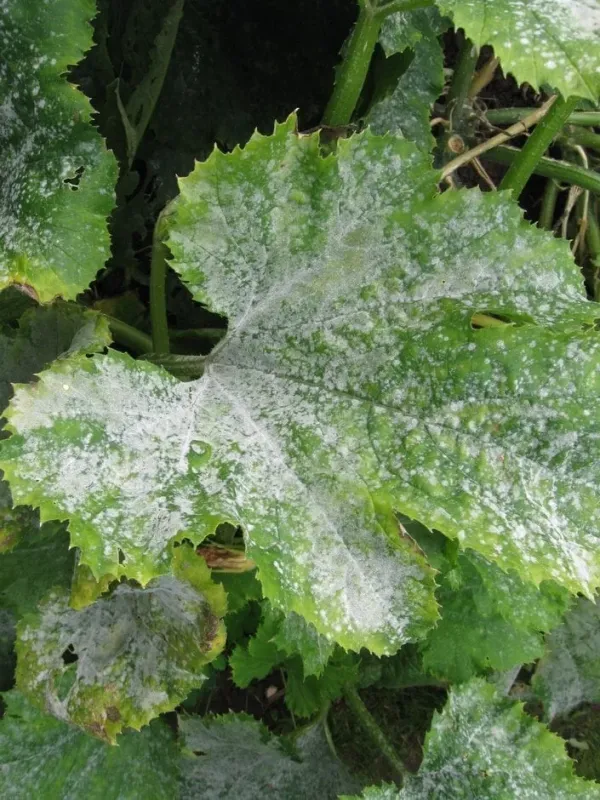
The most recognizable symptom of a Neoerysiphe infection is the appearance of white, powdery, or web-like fungal growth on leaves, petioles, and young stems. Over time, these spots expand and may coalesce, eventually covering entire leaves.
Unlike some other mildew pathogens, the mycelium of Neoerysiphe often appears looser and more delicate in the early stages. As the infection progresses, the underlying leaf tissue may become chlorotic, showing yellowing or browning as the host suffers from nutrient depletion.
As the infection matures, minute, dark, spherical structures known as chasmothecia appear embedded within the white fungal mat. These change color from pale to dark brown or black, serving as a key diagnostic feature.
Severe infections lead to leaf curling, distortion, and premature senescence. The affected leaves often dry out and fall off, which significantly reduces the photosynthetic efficiency of the plant.
Infection typically begins on lower, shaded leaves where airflow is restricted, gradually moving upward through the canopy as the season progresses and conditions remain favorable.
Pathogen
Neoerysiphe is a genus of fungi within the order Erysiphales, specifically known for causing powdery mildew on a variety of plant hosts. Previously classified under the broader Erysiphe genus, it has been established as a distinct group based on morphological and molecular characteristics.
The fungus is an obligate parasite, meaning it relies entirely on living plant tissue to complete its life cycle. It colonizes the host surface, utilizing specialized structures called haustoria to penetrate epidermal cells and extract nutrients.
Asexual reproduction is the primary mode of spread during the growing season, producing white conidial chains that give the plants their characteristic "dusted" appearance. Sexual reproduction leads to the formation of chasmothecia, which ensure the fungus survives during adverse winter conditions.
The host range of Neoerysiphe is notably broad, affecting numerous herbaceous plants, including members of the Lamiaceae and Asteraceae families. This versatility makes it a persistent challenge in both commercial agriculture and home gardening.
The survival of the pathogen is facilitated by its ability to remain on crop debris or within the soil, allowing it to re-infect emerging vegetation as soon as environmental conditions become conducive.
Conditions for development
Development of the disease is highly dependent on climate. Neoerysiphe thrives in moderately warm temperatures, typically ranging from 18°C to 25°C, which are optimal for spore germination and mycelial expansion.
High relative humidity is a primary driver of the spread of the disease. While the fungus does not require free-standing water to infect host tissue, humid air is essential for the longevity of conidia during dispersal.
Poor ventilation within dense crop canopies creates microclimates with stagnant air, significantly increasing the risk of widespread infection. Proper spacing is crucial to mitigate these risks.
High nitrogen fertilization can inadvertently favor the fungus by promoting succulent vegetative growth, which is more susceptible to haustorial penetration and colonization.
Daily temperature fluctuations, particularly those leading to morning dew, provide sufficient moisture to sustain the pathogen and facilitate the rapid production of spores.
Why it matters
The main agricultural impact of Neoerysiphe is the severe disruption of the host plant's metabolism. By blocking light and sapping nutrients, the fungus severely limits the plant's ability to produce energy through photosynthesis.
Infected crops suffer from reduced vigor and significantly lower yields. The physiological stress caused by the parasite often leads to stunted growth and poor-quality fruits or seeds.
Economic losses are compounded by the decreased aesthetic or market value of the produce, as leaves may become necrotic or misshapen, rendering them unfit for consumption or sale.
For perennial plants, repeated infection over the growing season weakens the host, making it more vulnerable to winter kill and reducing its overall lifespan and productivity.
Managing the disease requires ongoing monitoring and intervention, which adds significant cost to farm operations through fungicide applications and labor-intensive sanitation practices.
Protection
Effective control starts with good cultural practices. Crop rotation, removal of infected plant debris, and maintaining adequate plant spacing are essential for reducing the initial inoculum load in the field.
Planting resistant varieties is the most sustainable approach to long-term disease management. When breeding programs are available, selecting for resistance should be a primary priority.
- Application of sulfur-based fungicides as a preventative measure.
- Use of systemic fungicides, such as triazoles, during the early stages of symptom appearance.
- Regular canopy management to improve airflow and reduce microclimatic humidity.
- Balanced nutrient management to avoid excessive succulent tissue growth.
Biological control agents, including specific bacteria or hyperparasitic fungi, have shown promise in greenhouse environments, offering a reduction in chemical dependency.
Implementing a comprehensive Integrated Pest Management (IPM) program ensures that chemical controls are used responsibly, adhering to safety intervals to ensure product quality and environmental protection.
Discussion
No discussions yet — be the first.