
Neodasyscypha cerina
Neodasyscypha cerina
Description
Symptoms
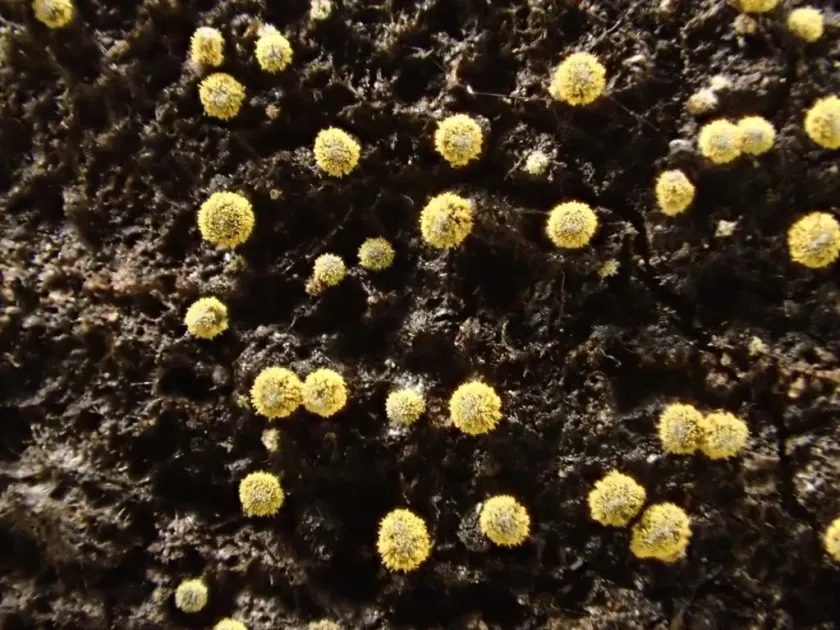
The most visible sign of infection is the presence of clusters of small, waxy, cup-like fruiting bodies appearing on the surface of the bark or branches.
Affected bark may show signs of decay, including discoloration, softening, and eventually cracking as the mycelium breaks down the wood cells.
Peeling bark in areas of fungal growth indicates that the fungus has penetrated the cambium layer, severely damaging the transport system of the branch.
During periods of high humidity, the fruiting bodies expand and become more vibrant in color, making them easier to identify during inspections.
Dieback of branches is a common secondary symptom, often resulting from the blockage of nutrients caused by the fungal activity on the bark.
Pathogen
Neodasyscypha cerina is an ascomycete fungus belonging to the order Helotiales, known for colonizing dead or dying wood tissues.
The fungus is characterized by its small, cup-shaped fruiting bodies, known as apothecia, which have a distinctive waxy texture and yellow-to-ochre pigmentation.
It acts primarily as a saprotroph or a weak opportunistic parasite, feeding on the decaying organic matter of its host plant.
Reproduction is carried out through spores that are dispersed by wind and rain, allowing the fungus to colonize favorable substrates efficiently.
Biologically, it plays a role in the natural decomposition of wood, although its presence on live trees is often an indicator of underlying stress or injury.
Conditions for development
The fungus thrives in cool, damp environments where persistent moisture allows the fruiting bodies to mature and release spores.
Poor ventilation within a dense canopy or neglected orchard creates a stagnant microclimate that encourages the colonization of this fungus.
Mechanical damage, such as frost cracks, pruning wounds, or insect-caused galleries, provides the necessary entry points for the fungal spores.
Trees that are already suffering from drought, poor soil fertility, or other environmental stresses are significantly more susceptible to infection.
High relative humidity levels are essential for the survival and spread of the fungus, particularly in regions with frequent autumn and spring rainfall.
Why it matters
The fungus degrades the wood, reducing its structural integrity and increasing the risk of branch failure during storms or high winds.
Persistent infection disrupts the tree's vascular system, leading to a decline in growth, reduced vigor, and eventually the death of infected limbs.
It can create entryways for more aggressive wood-rotting pathogens, compounding the damage to the tree's health.
The loss of bark and localized decay can lead to deep necrotic lesions that never fully heal, permanently damaging the affected area.
Overall, the presence of this fungus acts as a significant drain on the tree’s energy reserves, reducing its ability to defend against other environmental pressures.
Protection
Effective management begins with rigorous sanitation, which involves pruning and removing all visibly infected branches from the site.
All pruning tools should be sanitized after working on infected wood to prevent the accidental transfer of spores to healthy plant parts.
Wounds and pruning cuts should be protected with fungicides or appropriate wound dressings to prevent the ingress of fungal pathogens.
Improving the health of the tree through fertilization and proper irrigation helps the plant maintain the vigor needed to naturally repel infections.
- Sanitary pruning of dead branches.
- Maintaining good air circulation in the canopy.
- Applying copper-based fungicidal treatments if necessary.
- Monitoring for early signs of infestation.
Discussion
No discussions yet — be the first.