
Neodasyscypha
Neodasyscypha
Description
Symptoms
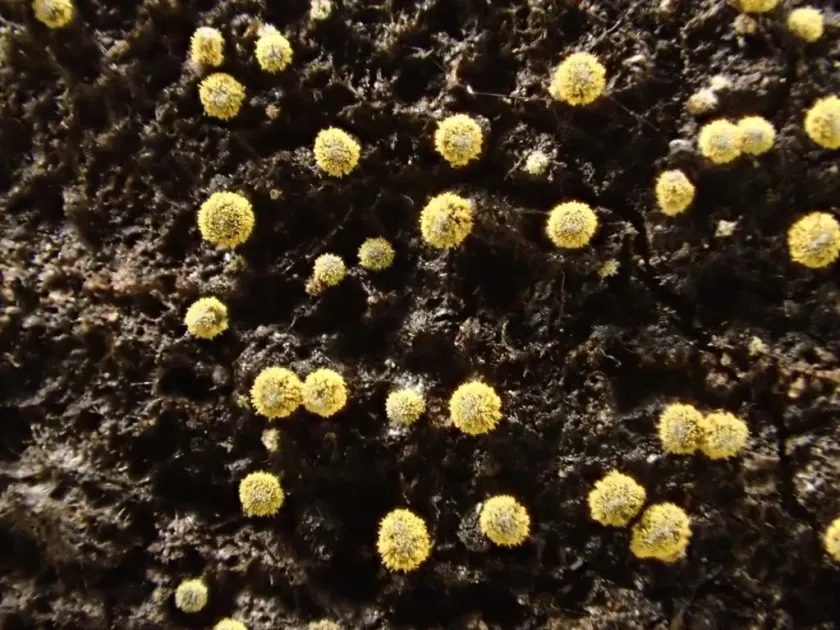
The most visible sign of an infection is the emergence of tiny, colorful apothecia on the tree's bark. These fruiting bodies often appear in clusters, with a fuzzy or hairy texture that is distinct enough to be seen during a close inspection of the infected branches.
Necrosis of the bark tissue is a hallmark of the pathogen's activity. The affected area may lose its natural texture, becoming depressed or discolored, which indicates that the fungus has successfully invaded the cambium and is interfering with the transport of nutrients.
As the infection progresses, the damaged bark can develop deep cracks or lesions. These wounds are highly susceptible to secondary colonization by secondary pathogens, which can accelerate the death of the limb or the entire tree.
Foliage or needles attached to infected branches often exhibit symptoms of yellowing or premature senescence. This is a secondary effect caused by the disruption of the vascular system, preventing the tree from supplying water and minerals to the distal parts of the canopy.
The twigs and smaller branches may become brittle and prone to breaking during high winds. Over time, the affected branch may become entirely desiccated, as the fungal mycelium consumes the organic matter, leading to significant dieback.
Pathogen
Neodasyscypha is a genus of fungi belonging to the order Helotiales within the Ascomycota division. These fungi often exist as saprotrophs or weak parasites, specializing in colonizing the bark and inner tissues of stressed or weakened woody plants.
The pathogen spreads primarily through spores, which are effectively dispersed by wind currents. During its lifecycle, the fungus produces apothecia—small, often hairy, cup-shaped fruiting bodies—that emerge from infected wood to release spores into the surrounding environment, particularly during periods of high humidity.
Biological specialization allows Neodasyscypha to occupy a specific ecological niche on trees. It acts by enzymatic degradation of plant tissues, focusing on the cortex and phloem. This process not only directly harms the plant but also creates entry points for other opportunistic pathogens.
The fungus is rarely a primary killer of healthy, vigorous trees. Instead, it thrives in environments where host defense mechanisms are compromised. Its presence is frequently noted in association with other environmental stressors, such as droughts, frost damage, or insect attacks.
Research into the systematics of Neodasyscypha emphasizes the importance of accurate taxonomic identification. Distinguishing this genus from other discomycetes is essential for forest pathologists to determine the correct management strategy for infected woodland areas.
Conditions for development
High relative humidity is the primary environmental trigger for the development of Neodasyscypha. Sustained periods of rainfall or dense fog provide the necessary moisture for the spores to germinate on the bark surface and successfully colonize the host tissues.
Moderate temperatures ranging from 15°C to 22°C are optimal for the rapid growth of the mycelial network. Spring and autumn are the peak periods when environmental conditions best support both the vegetative growth of the fungus and its reproductive cycle.
The structure of the stand or nursery plays a crucial role in disease dissemination. Dense, poorly ventilated environments facilitate the accumulation of spores in the air, increasing the likelihood of infection for neighboring trees that may already be in a weakened state.
Mechanical damage is the most significant facilitator for the infection. Whether caused by storm debris, large animals, or pruning tools, open wounds on the bark serve as the perfect entry point for the fungus to establish its infection within the inner layers of the tree.
The accumulation of woody debris on the forest floor acts as a long-term reservoir for the pathogen. In such organic matter, the fungus can survive through unfavorable seasons, waiting for the right environmental cues to infect new hosts.
Why it matters
The primary harm caused by Neodasyscypha is the progressive decline in host vitality. By continuously depleting the tree’s resources, the fungus reduces the annual growth increment and weakens the tree's overall immune response against other biotic and abiotic threats.
In silvicultural contexts, this pathogen leads to a reduction in timber quality. As the infection progresses into the woody structure, the value of the wood decreases, and the tree may become unsuitable for industrial processing, causing significant economic loss.
The infection contributes to the premature death of branches and can lead to entire tree failure in extreme cases. This increases the amount of deadwood in the forest, which significantly elevates the risk of fire and provides a breeding ground for wood-boring insects.
For ornamental landscapes, the aesthetic impact is severe. The asymmetrical dieback and thinning crown diminish the visual appeal of the trees, often necessitating the removal of affected specimens to maintain the health and beauty of the planting site.
The pathogen also poses a barrier to successful forest regeneration. Seedlings and young saplings are particularly vulnerable, and their mortality rates can spike if they are planted near a mature source of infection, making restoration efforts much more challenging.
Protection
Sanitary pruning and the systematic removal of infected wood remain the cornerstone of effective management. By clearing the affected material, one significantly lowers the inoculum potential and restricts the fungus from spreading to healthy limbs.
Promoting good airflow through proper spacing and thinning is essential. Improving the microclimate around the canopy and bark surfaces makes the environment less hospitable to the development of fungal fruiting bodies and spore germination.
Enhancing tree vigor through proper fertilization, adequate watering during droughts, and pest management is the most effective proactive strategy. A healthy tree can often effectively wall off the pathogen, preventing the infection from becoming systemic.
In nurseries or high-value landscapes, the application of targeted fungicides may be utilized during peak spore release periods to protect vulnerable growth. However, this should be part of an integrated approach and guided by professional diagnostic insights.
- Regular inspections of bark health during wet seasons.
- Application of wound dressings to large pruning cuts.
- Selection of site-appropriate and resistant tree species.
- Removal of leaf and wood litter to eliminate reservoirs.
Discussion
No discussions yet — be the first.