
Neocamarosporiosis
Neocamarosporiaceae
Description
Symptoms
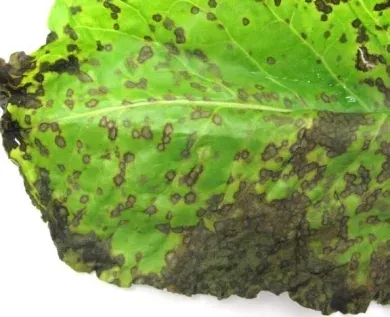
The primary symptoms of Neocamarosporiosis include the appearance of necrotic spots on leaves and stems. These lesions often exhibit a dark brown or black appearance.
As the disease progresses, small black fruiting bodies, known as pycnidia, become visible within the necrotic zones. They serve as diagnostic markers for the presence of the pathogen.
Leaves affected by the infection often show signs of premature chlorosis and subsequent necrosis. This reduction in active leaf area severely hampers the plant's photosynthetic capacity.
Stem infections may present as sunken cankers or localized lesions. These weakened areas can be points of structural failure, especially under heavy wind or rain conditions.
Infected fruits or seeds can develop discolored spots, reducing their market value. Under high humidity, a thin layer of spores might be observed on the surface of the lesions.
Pathogen
Neocamarosporiosis is caused by fungi belonging to the family Neocamarosporiaceae. These organisms are highly adapted to colonizing various plant tissues.
The fungi typically reproduce asexually, producing numerous conidia within pycnidia. These spores are easily disseminated by wind, rain splash, or agricultural machinery.
The pathogen utilizes complex enzymatic systems to degrade host cell walls, enabling the fungus to absorb essential nutrients from the plant's internal structures.
The fungus survives the off-season primarily within infected crop residues. It can persist as mycelium or sclerotia, effectively bridging the gap between growing seasons.
Genetic diversity within the Neocamarosporiaceae family contributes to the ability of these pathogens to overcome some traditional cultural controls in different environments.
Conditions for development
High relative humidity and prolonged leaf wetness are critical triggers for Neocamarosporiosis outbreaks. Moist conditions facilitate rapid spore germination and penetration.
Warm temperatures, generally between 18°C and 25°C, represent the optimal thermal range for the pathogen's metabolic activity and rapid spread through the crop canopy.
Poor ventilation within densely planted crops creates a microclimate conducive to infection. High plant density maintains the humidity levels favored by the fungus.
Mechanical injuries resulting from insect feeding, hail, or agricultural operations provide easy entry points for the pathogen to invade the plant tissue.
Nutrient stress, particularly potassium deficiency, may compromise the plant's natural defense barriers, making it more susceptible to initial and secondary infections.
Why it matters
Neocamarosporiosis significantly impacts crop yields by reducing the total biomass and grain filling efficiency of the affected plants.
The disease causes substantial quality degradation. Affected crops often fail to meet commercial standards due to visual defects caused by the lesions.
In cases of severe infestation, the disease leads to premature senescence of the foliage. This limits the duration of the grain-filling phase and reduces seed weight.
Economic losses include direct reductions in marketable yield and the high costs associated with repeated fungicide applications to protect the standing crop.
Seed contamination can lead to reduced germination rates and weakened seedling vigor, affecting the establishment of future crops.
Protection
An integrated approach is essential for effective management. Crop rotation is a primary cultural practice to break the infection cycle of the pathogen.
Proper field hygiene is crucial. Removing or deeply incorporating crop residues reduces the primary inoculum source for the following season.
Seed treatment with broad-spectrum fungicides protects seedlings during the critical early growth stages, preventing seed-borne infection.
- Systemic fungicide applications based on real-time disease monitoring.
- Maintaining optimal planting density to improve field ventilation.
- Balanced NPK fertilization to enhance plant vigor and resistance.
Using resistant or tolerant cultivars is the most sustainable management tool. Breeding programs continue to focus on enhancing plant immunity to Neocamarosporiaceae.
Discussion
No discussions yet — be the first.