
Neobulgaria pura
Neobulgaria pura
Description
Symptoms
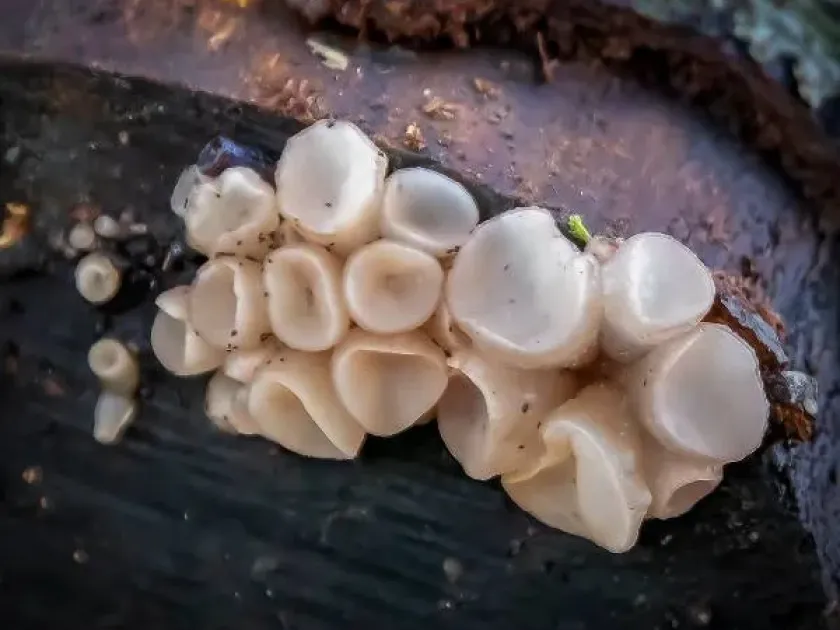
The most visible sign of an infection is the emergence of gelatinous, saucer-like fruiting bodies on the bark or exposed wood of the tree. These bodies are often most prominent after rainy weather.
Internal wood tissue may undergo color changes, often appearing bleached or mottled. This discoloration is a direct consequence of the fungus breaking down the internal structure of the wood cells.
Infected branches may exhibit signs of premature wilting or dieback. The bark in these areas may become brittle, crack, or peel away, revealing the underlying damage caused by the fungal mycelium.
A thick layer of mycelium may sometimes be found beneath the bark, which effectively acts as a barrier to the plant's vascular system, preventing the proper flow of water and nutrients.
As the infection progresses, the wood may lose its structural integrity, becoming soft and friable, which increases the risk of limb breakage or collapse of the entire tree under mechanical stress.
Pathogen
Neobulgaria pura is a fungal species belonging to the class Ascomycota. It is widely recognized as a saprotrophic organism that plays a significant role in the breakdown of deadwood within deciduous forests.
The fungus is characterized by its distinct, gelatinous, and cup-shaped fruiting bodies. These structures, often translucent or pale in color, are the primary indicators of the presence of the fungus on a host.
As a biological agent, Neobulgaria pura produces a specific suite of enzymes capable of decomposing structural components of wood, such as lignin and cellulose, effectively recycling organic matter.
Although typically a saprotroph, the fungus can behave as a weak parasite, colonizing stressed, injured, or weakened trees where natural defense mechanisms are significantly compromised.
Transmission occurs through the dispersal of spores, which are carried by air currents, rainwater, or insect vectors, allowing the fungus to colonize new substrates and propagate throughout the forest or garden.
Conditions for development
High moisture levels are essential for the growth of Neobulgaria pura. The fungus thrives in damp, humid environments where water remains on the surface of the bark for extended periods.
Moderate temperatures during the spring and autumn seasons are optimal for the development of fruiting bodies and the subsequent release of spores, making these periods high-risk for new infections.
Any breach in the tree's defensive outer layer, such as frost cracks, sunburn, or damage from wood-boring insects, provides a perfect entry point for the fungus to establish its colony.
Trees that are in a state of physiological stress due to drought, poor soil conditions, or environmental pollution are significantly more susceptible to colonization by this opportunistic fungus.
Dense planting configurations that limit airflow and sunlight create a microclimate with high humidity, which promotes the accumulation and spread of spores between neighboring healthy trees.
Why it matters
The primary damage caused by Neobulgaria pura is the decay of wood tissues. This degradation reduces the structural strength of the tree, rendering timber low-quality and dangerous.
Chronic infection leads to the overall decline of the host tree. By disrupting essential transport functions, the fungus starves the tree of necessary resources, leading to poor growth and vigor.
For orchard owners, this disease can lead to the loss of productive branches, directly impacting fruit yields and potentially shortening the productive lifespan of the affected trees.
The presence of the fungus turns the tree into a focal point of infection, increasing the risk of spreading the disease to other susceptible specimens within the immediate vicinity.
Long-term colonization often weakens the tree to the point where it becomes a preferred host for more aggressive pathogens and destructive wood-boring pests, which can accelerate the tree's demise.
Protection
Regular sanitation is the most effective control measure. Pruning and removing infected branches or bark sections helps to minimize the fungal load and prevent further spread throughout the tree.
All pruning wounds or accidental damages should be treated immediately with wound sealants or fungicidal pastes to provide a protective barrier against invading fungal spores.
Maintaining optimal tree health through proper irrigation, fertilization, and integrated pest management strengthens the tree's natural immune response against opportunistic fungal attacks.
Properly spacing trees and maintaining an open canopy structure improves aeration and light penetration, effectively drying out the bark and reducing the suitability of the environment for the fungus.
In cases of severe or widespread infestation, the application of targeted fungicides may be required to protect valuable specimens, provided they are authorized for use on the specific tree species.
Discussion
No discussions yet — be the first.