
Navicula pelliculosa
Navicula pelliculosa
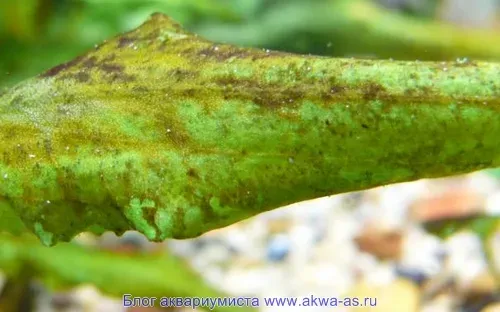
Description
Pathogen
Navicula pelliculosa is a species of diatom, a type of single-celled algae characterized by its unique silica-based cell wall. It is commonly found in freshwater environments and can proliferate in artificial irrigation systems.
This organism operates as a primary producer, utilizing photosynthesis to generate energy. In agriculture, it is classified as a biofouling agent rather than a typical plant pathogen that infects tissues.
The diatom is known for its distinctive boat-shaped structure and its motility on solid substrates. Its life cycle involves active division, which can be exponential under favorable conditions.
Research into this species is extensive, often using it as a model for understanding diatom physiology and silica transport. Its persistence in industrial water systems is well-documented.
The organism does not directly invade plant roots but rather competes for space and nutrients in the hydroponic substrate. Its presence is primarily an operational challenge rather than a systemic infection.
Conditions for development
The growth of Navicula pelliculosa is primarily driven by light exposure and the availability of dissolved silicates in the water. Temperatures between 18°C and 25°C promote rapid colonization.
Hydroponic setups with transparent piping are highly susceptible to infestation. Any light leakage into nutrient reservoirs triggers a massive bloom of these algae.
High nutrient levels, particularly phosphorus and nitrogen, support higher biomass density. Stagnant water in drainage systems provides the necessary environment for biofilm formation.
Water with high alkalinity or specific mineral content often favors the growth of this species. Insufficient water circulation allows the algae to attach firmly to inner tubing surfaces.
Inadequate sanitation protocols facilitate the spread of spores throughout the entire greenhouse or irrigation network. Preventing light penetration is the most critical environmental control.
Why it matters
The primary harm caused by Navicula pelliculosa is the physical blockage of irrigation lines and emitters. This disruption of water flow leads to nutrient deficiencies in the crop.
The formation of dense biofilms on roots or substrate surfaces restricts oxygen exchange. This can lead to root hypoxia and secondary fungal infections.
Nutrient uptake competition significantly reduces the availability of essential minerals to the crops. This results in stunted growth and lower crop yields during the growing cycle.
Biofouling increases the energy consumption of pumps due to increased drag and flow resistance. This leads to higher maintenance costs and potential mechanical failure of irrigation systems.
The visual accumulation of algae can complicate monitoring of root health and disease symptoms. It may mask the onset of genuine plant pathogens, delaying necessary treatment.
Protection
Excluding light from the irrigation system is the most effective preventative measure. Using opaque materials for all pipes, tanks, and connectors prevents photosynthesis.
UV-C sterilization units are highly recommended for continuous water treatment. They effectively disrupt the reproductive cycle of the algae without leaving chemical residues.
Regular system flushing and cleaning with approved sanitizers remove biofilm layers. Monitoring nutrient solution chemistry helps in adjusting conditions to be less favorable for diatoms.
- Installation of mechanical water filters.
- Consistent use of light-blocking covers for reservoirs.
- Periodic chemical sanitation of distribution lines.
- Routine monitoring of silica concentrations in the water.
When chemical control is necessary, select compounds that are non-phytotoxic to the specific crop grown. Integrated management focusing on light exclusion remains the best long-term strategy.
Discussion
No discussions yet — be the first.