
Blueberry rust
Naohidemyces vaccinii
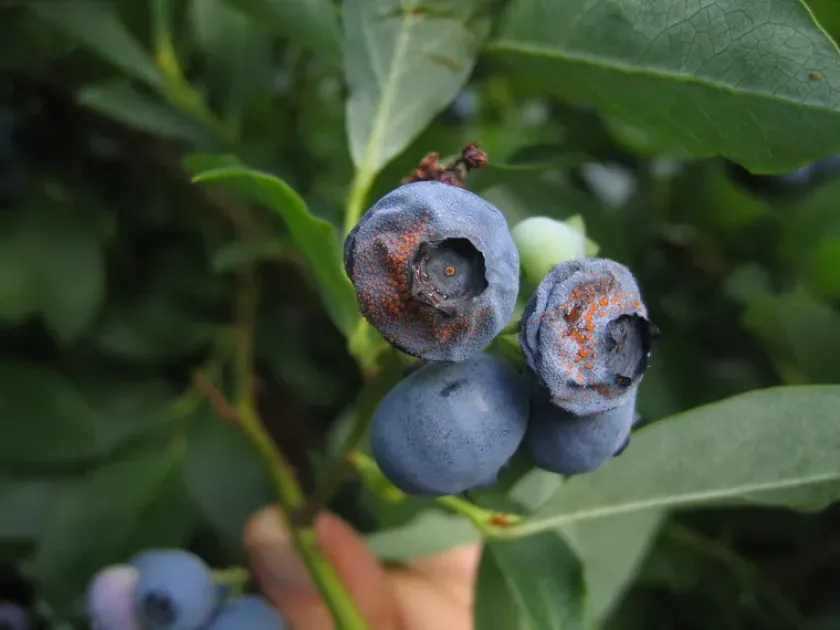
Description
Symptoms
Early symptoms appear on the upper surface of the leaves as small, yellow, or light green chlorotic spots, which eventually darken to reddish-brown as the infection progresses.
The most diagnostic sign is found on the underside of the leaves, where bright orange or rust-colored pustules form, which are masses of fungal spores visible to the naked eye.
As the disease advances, these spots may coalesce, covering a significant portion of the leaf surface, which leads to tissue necrosis and severe leaf yellowing.
In cases of heavy infestation, infected leaves may wither and drop from the plant prematurely, which significantly stresses the blueberry bush before it enters the dormant winter season.
Monitoring the undersides of leaves from mid-summer onwards is essential for early detection, as the presence of these pustules confirms the disease before widespread damage occurs.
Pathogen
The causative agent of blueberry rust is the fungus Naohidemyces vaccinii (formerly known as Pucciniastrum vaccinii). It is an obligate parasite that often requires an alternate host, such as hemlock (Tsuga), to complete its complex biological life cycle.
This pathogen specifically targets blueberry plants and other Ericaceae species. It spreads through spores that travel easily on the wind, particularly during periods of high humidity and rainfall.
The fungus overwinters as mycelium in fallen leaves or within the tissue of evergreen host plants. As temperatures rise in spring, the fungus activates and produces spores that initiate the infection cycle on new blueberry shoots.
Biological plasticity is a key feature of this pathogen, as it produces several types of spores, ensuring its survival across different environmental conditions throughout the growing season.
The infection process begins when a spore lands on a leaf, germinates, and penetrates the plant tissue through the stomata, eventually colonizing the internal cells and establishing a parasitic relationship.
Conditions for development
Blueberry rust thrives in high-humidity environments, including regions with frequent morning fogs, heavy dews, and prolonged periods of rainfall during the summer months.
The ideal temperature range for pathogen spread and spore germination is between 15°C and 22°C (approx. 59°F to 72°F), conditions common in the height of the growing season.
Poor air circulation within the canopy, often caused by overly dense planting or lack of pruning, creates an ideal stagnant, humid microclimate that favors rapid fungal growth.
Excessive nitrogen fertilization can lead to a flush of tender, succulent growth that is more susceptible to fungal penetration and colonization compared to hardened tissue.
Proximity to alternate hosts, such as hemlock trees, significantly increases the risk of initial infection, as these plants can act as a permanent reservoir for the fungus.
Why it matters
The primary damage caused by rust is the disruption of photosynthesis, as infected leaves lose their chlorophyll and functionality, severely limiting the plant's ability to produce energy.
Early leaf drop reduces the plant's ability to accumulate carbohydrates and nutrients, which are essential for surviving winter and supporting the next season's growth and fruit development.
Plants affected by rust show decreased winter hardiness, making them significantly more vulnerable to cold damage and frost injuries during the winter and early spring months.
Fruit yield and quality are negatively impacted, often resulting in smaller berries with lower sugar content and poor market value, directly affecting the profitability of the crop.
Chronic infestation weakens the entire root system and overall structure of the blueberry plant, which can lead to decline, reduced vigor, and in extreme cases, the death of young bushes.
Protection
Effective management requires an integrated approach that combines proper cultural practices with timely chemical intervention to suppress fungal spread.
Key control strategies include:
- Pruning to improve airflow and thinning out dense branches to reduce humidity inside the canopy.
- Sanitation practices, such as raking and removing all fallen leaves to destroy the overwintering inoculum.
- Applying copper-based fungicides or systemic options like triazoles and strobilurins when symptoms first appear.
- Selecting resistant or less susceptible blueberry cultivars when establishing new plantation sites.
- Maintaining optimal soil health and applying balanced fertilizers to support the plant's natural immune response.
All chemical applications must follow local regulations, and alternating between different fungicide groups is crucial to prevent the pathogen from developing chemical resistance.
Vigilance in scouting and early intervention are the most successful ways to maintain the health of blueberry plants and ensure long-term productivity in any farming environment.
Discussion
No discussions yet — be the first.