
Myzocytiopsidales
Myzocytiopsidales
Description
Symptoms
Symptoms of infestation include the rapid chlorosis and eventual necrosis of algal filaments. The affected cells lose their turgor and become visually transparent or pale under the microscope.
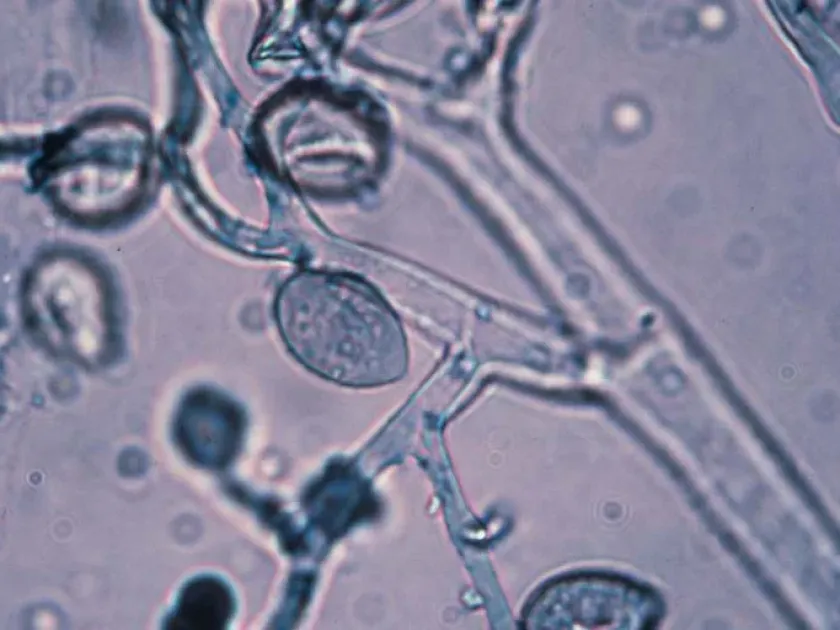
Microscopic analysis reveals empty cell walls with characteristic parasitic structures inside. The disruption of internal organelles is rapid, leading to the collapse of the host structure within days.
In field conditions, a sudden decline in algal mass in irrigation ditches or flooded plots is a key visual indicator of infection. Farmers might observe the water becoming clearer or the appearance of decayed organic debris.
The disintegration of host filaments often attracts secondary bacteria, which form biofilms on the remnants, further complicating the identification of the primary parasitic agent.
Accurate diagnosis requires specialized expertise and microscopic examination, as visual symptoms in the field often overlap with effects caused by water chemistry imbalances.
Pathogen
Myzocytiopsidales are an order of obligate parasitic organisms belonging to the Oomycota division. Despite their historical grouping with fungi, they are phylogenetically related to heterokont algae and are highly specialized parasites.
The primary hosts of these organisms are filamentous algae and other aquatic fungi. They occupy a specific niche in aquatic ecosystems, acting as natural regulators of microbial populations within flooded environments.
Their life cycle is adapted to an aquatic existence, characterized by the production of motile zoospores. These spores use flagella to navigate through water columns to locate and attach to the surface of a suitable host cell.
Upon attachment, the pathogen develops an infection structure that penetrates the cell wall of the host. Once inside, it utilizes intracellular nutrients to grow, forming sporangia that eventually release a new generation of zoospores.
While they are not traditional crop pathogens in the sense of attacking terrestrial plants, their role in the rhizosphere of aquatic crops like rice makes them significant subjects in agricultural microbiology.
Conditions for development
High moisture and the presence of standing water are essential for the development of Myzocytiopsidales. They thrive in irrigation systems, flooded fields, and slow-moving or stagnant aquatic bodies.
Moderate temperatures, ranging between 20°C and 25°C, provide optimal conditions for the metabolic activity and zoospore mobility of these parasites. During these periods, the rate of infection increases significantly.
Nutrient enrichment, particularly high concentrations of nitrogen and phosphorus in the water, promotes a bloom of host organisms followed by a rapid proliferation of the parasites.
The stability of the aquatic environment plays a crucial role in population dynamics. Fluctuations in water levels or flow rates can limit the ability of zoospores to effectively colonize new hosts.
The absence of biological antagonists in the water can lead to an unchecked spread of the parasite. A healthy microbial community often acts as a natural buffer against severe outbreaks.
Why it matters
The main harm caused by these pathogens is the destruction of beneficial algae that contribute to the nitrogen cycle in rice paddies. This can reduce the natural fertility of the soil.
The parasites disrupt the balance of aquatic ecosystems by reducing the biomass of producers. This can lead to oxygen depletion and the degradation of water quality in irrigation reservoirs.
They can also negatively impact beneficial fungi, which are often used in biological pest control. By preying on these beneficial organisms, Myzocytiopsidales can indirectly increase the susceptibility of crops to other diseases.
In hydroponic and aquaponic systems, these pathogens can cause significant yield losses by damaging the beneficial microflora necessary for plant growth and nutrient uptake.
The rapid spread of zoospores makes them a challenging factor in the management of aquatic agro-ecosystems, requiring prompt interventions to prevent widespread infestations.
Protection
Control strategies emphasize the management of water quality and habitat conditions. Periodic drainage of irrigation channels is highly effective in disrupting the life cycle of the parasites.
Biological control methods involve the introduction of antagonistic bacteria that inhibit oomycete growth. This approach is gaining traction as a sustainable alternative to chemical treatment.
Monitoring the nutrient load in irrigation water helps in preventing the blooms of host organisms that facilitate the parasite's spread.
- Maintaining optimal pH and nutrient levels in water
- Implementing regular drainage cycles in paddies
- Using targeted biocontrol agents to manage aquatic microflora
Chemical control with copper-based products is possible but must be performed carefully to avoid toxicity to other non-target species in the agricultural system.
Discussion
No discussions yet — be the first.