
Myxomphalia
Myxomphalia
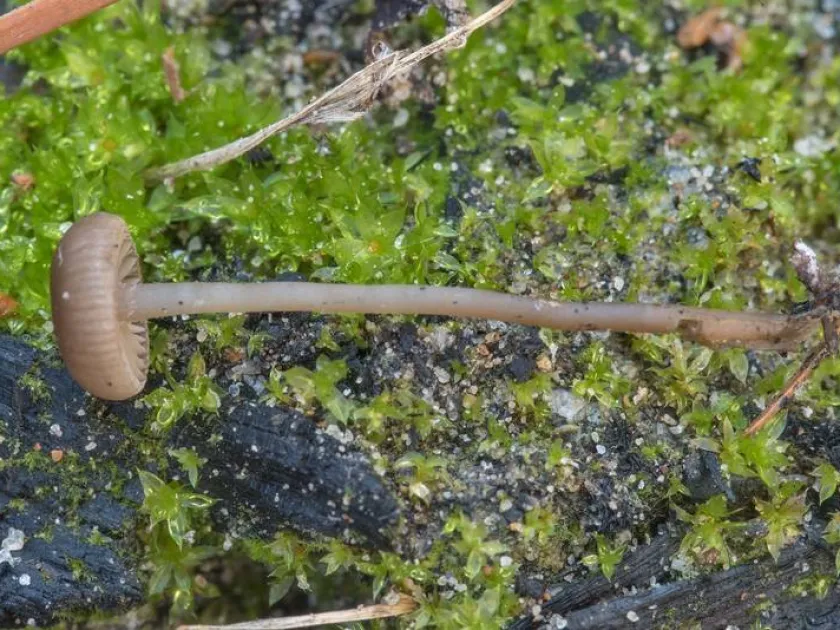
Description
Symptoms
The primary symptom of infection is a localized change in the texture and color of the plant tissue. Affected areas rapidly lose turgor and become soft or mushy upon physical pressure.
A visible mycelial growth or fungal mat often appears on the surface of the infected tissue. This growth can range in color from off-white to grayish-brown, depending on the stage of development.
As the disease progresses, a distinct foul odor is often emitted from the decay site, which is a result of the metabolic breakdown of the plant material caused by the fungal activity.
When the root system is infected, the plant displays signs of severe nutrient deficiency, including yellowing leaves, stunted growth, and sudden wilting that cannot be corrected with irrigation.
- Loss of turgor in plant tissues.
- Presence of visible fungal mycelia.
- Discoloration of the infected plant parts.
- Unpleasant rot-like smell from the area.
- Stunted growth and premature wilting.
Pathogen
Myxomphalia is a genus of fungi belonging to the Tricholomataceae family. In agronomy, it is primarily identified as a saprotrophic organism that can occasionally act as a facultative parasite under specific ecological conditions.
The causative agent of the disease is a microscopic mycelium. These fungi utilize a wide range of extracellular enzymes to break down structural components such as cellulose in plant tissues, causing decay.
This disease is categorized as a destructive rot. The fungus invades plant substrates, using its hyphae to extract nutrients, which eventually compromises the integrity of the host plant's tissues.
The lifecycle of the pathogen is closely tied to the soil environment. It persists through resting mycelia or fruiting bodies that are resistant to adverse external environmental factors, ensuring long-term survival.
Due to the pathogen's high adaptability, the species can survive across various agricultural landscapes, making complete eradication challenging even with standard maintenance protocols.
Conditions for development
High moisture levels in the soil or substrate are the most critical factor for the active development of Myxomphalia. Excessive water saturation significantly accelerates the colonization of hyphae.
Moderate temperatures, ranging between 15°C and 22°C (59-72°F), provide the optimal environment for the metabolic growth of the fungus, allowing it to multiply rapidly.
The accumulation of uncomposed plant debris provides a continuous nutrient source for the fungus, allowing it to maintain a high inoculum potential in the field throughout the year.
Poor soil aeration and inadequate drainage systems create anaerobic conditions that weaken the host plants and make them more susceptible to fungal invasions.
Continuous cropping or lack of crop rotation leads to the buildup of the pathogen in the soil, creating a permanent risk for future susceptible plant populations.
Why it matters
The disease causes significant damage by destroying the vascular system, preventing the transport of essential water and nutrients, which inevitably leads to the death of the plant.
In large-scale agricultural operations, Myxomphalia outbreaks can lead to significant yield losses and may necessitate the removal of entire crop sections to prevent further spread.
Fungal metabolites released during the decomposition process can negatively affect soil health by inhibiting beneficial microorganisms, thereby reducing long-term soil productivity.
Harvested products originating from infected fields often lose their nutritional value and commercial quality, making them unsuitable for storage or processing purposes.
Because fungal spores can be dispersed by wind or water, the disease can quickly spread from a small, localized outbreak to larger, healthier areas of the farm.
Protection
Implementing a strict crop rotation schedule is a fundamental preventative measure. Avoiding the cultivation of susceptible plants on the same site for several years helps decrease pathogen levels.
Improving field drainage and ensuring optimal water management prevents waterlogging, which is a major factor in suppressing the spread of Myxomphalia and other soil-borne diseases.
The timely application of systemic fungicides can help manage early infection sites, stopping the spread of the mycelium before it reaches a critical mass.
Removing plant debris after harvest is essential to eliminate the primary food source for the fungus and reduce the overwintering potential of the pathogen in the soil.
Biological control methods, such as introducing antagonistic fungi like Trichoderma, have proven effective in protecting the root zone and suppressing the growth of Myxomphalia in various agricultural settings.
Discussion
No discussions yet — be the first.