
Myxarium
Myxarium
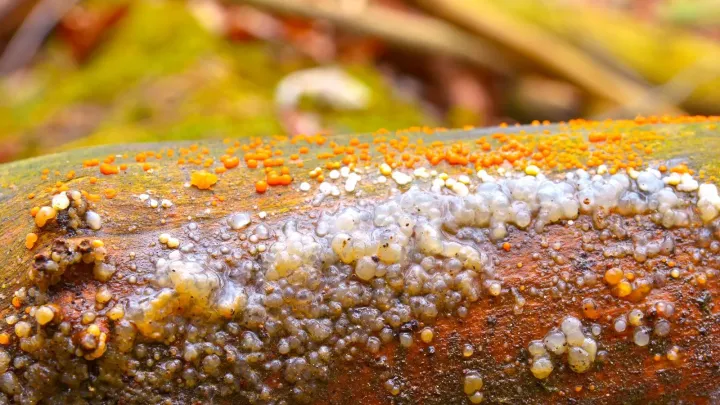
Description
Symptoms
The first signs of infection are the appearance of small, dense, jelly-like growths on the bark surface. Over time, these formations coalesce into larger, irregularly shaped masses that can cover significant areas of the tree.
The color of the fruiting bodies ranges from transparent white to yellow or brown. When the weather turns dry, these fungi dehydrate, turning into thin, inconspicuous films or hard crusts on the wood.
Visual inspection often reveals the fungus in areas of mechanical damage, frost cracks, or improper pruning cuts. The wood beneath the fungal colony may show signs of softening or structural change.
Unlike many other wood-decaying fungi, Myxarium grows primarily on the surface. This external growth pattern makes it relatively easy to detect during routine garden inspections in the spring or autumn.
Frequent colonization is observed on dead or weak branches, which become brittle over time. This often leads to branch breakage during high winds or under the weight of snow, indicating deep-seated damage.
Pathogen
Myxarium is a genus of fungi belonging to the class Agaricomycetes. These organisms are typically categorized as saprotrophs or weak parasites that colonize wood, dead branches, or the injured bark of living trees.
The pathogen belongs to the group of jelly fungi. Its life cycle involves the formation of characteristic gelatinous, translucent fruiting bodies. These structures are capable of swelling significantly in volume when exposed to high moisture levels.
The fungus plays an active role in the decomposition of lignin and cellulose. While primarily saprotrophic, it can weaken the physiological state of trees by invading through physical injuries or cracks in the bark.
The biology of Myxarium is studied within forest pathology and mycology. In agronomy, the presence of this fungus is considered an indicator of compromised bark health, requiring maintenance and sanitary attention.
The mycelium structure is adapted to high-humidity environments. Spore production usually occurs during seasons characterized by frequent rainfall and mild temperatures, facilitating the spread of the fungus across the orchard.
Conditions for development
High humidity is the primary driver of Myxarium development. The fungus thrives during prolonged rainy periods or heavy fog, especially when bark crevices retain moisture for extended periods.
The temperature optimum for growth is between +10°C and +20°C. These mild conditions promote the expansion of fruiting bodies and the subsequent release of spores into the air, which can be carried to healthy parts of the garden.
Poor ventilation within the tree canopy creates micro-climates that are highly favorable for fungal colonization. Dense planting schemes often exacerbate the problem by trapping moisture near the tree trunks.
Open wounds resulting from pruning, pest activity, or environmental stress serve as entry points for the pathogen. Healthy, unbroken bark is generally resistant to successful colonization by these fungi.
Stressed trees, suffering from nutrient deficiencies or drought, lack the energy to mount a proper defense. Proper agrotechnical management is essential to maintaining the resistance of the orchard against fungal pathogens.
Why it matters
The primary harm caused by Myxarium is the acceleration of wood decay. Although it may not kill the tree immediately, it undermines the structural integrity of branches, leading to a decline in tree health.
The presence of the fungus causes premature branch dieback. This reduces the total leaf area available for photosynthesis, leading to decreased yields and overall vigor of the plant over several growing seasons.
As the fungus degrades the wood, the branches become brittle and prone to mechanical breakage. This risk is particularly critical for fruit-bearing trees, where weight management is essential for long-term productivity.
Myxarium colonization often facilitates the secondary invasion of more aggressive pathogens. Damaged tissue provides a foothold for other fungal species and wood-boring insects to infest the tree further.
Prolonged infection leads to the gradual depletion of the tree's resources. This necessitates frequent sanitation and eventually shortens the lifespan of the tree within the agricultural ecosystem.
Protection
Effective control focuses on preventative measures. Regular sanitary pruning is crucial to remove dead or diseased branches that serve as primary reservoirs for fungal spores in the orchard.
All pruning cuts should be sealed immediately with appropriate wound dressings or fungicidal pastes. This practice prevents spore entry and protects the exposed wood while it begins the natural healing process.
Maintaining tree vigor through balanced fertilization and proper irrigation is key. A strong, healthy tree is much better equipped to compartmentalize and resist the spread of fungal infections.
If colonies are identified, they should be removed mechanically, and the underlying wood should be disinfected using copper-based fungicides to inhibit further growth.
- Thinning the canopy to improve air circulation.
- Applying whitewash to bark to prevent sunscald and cracks.
- Sterilizing pruning tools between different trees.
- Removing and incinerating infected material away from the orchard.
Discussion
No discussions yet — be the first.