
Myriangiosis
Myriangium
Description
Symptoms
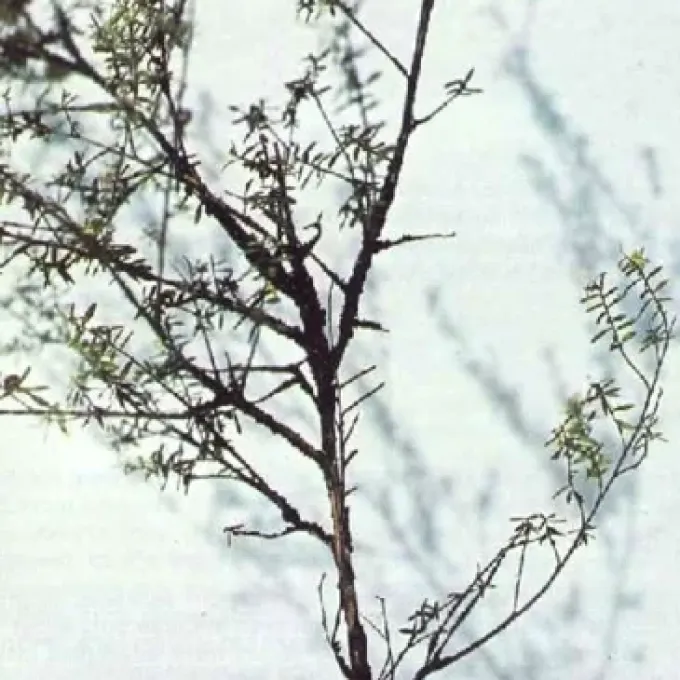
The most distinctive sign of myriangiosis is the presence of dense, black, raised crusts on the branches and trunks of trees. These growths are often mistaken for natural bark characteristics at first.
As the infection progresses, the bark underneath the fungal stromata becomes thickened, roughened, and eventually begins to crack. This damage disrupts the normal integrity of the bark surface.
In heavily infested trees, the fungal crusts may cover large portions of the limbs, severely affecting the aesthetic and physiological health of the plant. Small, necrotic patches may form beneath these crusts.
Visual symptoms often include premature leaf yellowing or stunted growth of shoots. The tree canopy may appear sparse and thin because the vascular system is compromised by the bark damage.
Close inspection often reveals the presence of scale insects within or near the fungal growths, confirming the association between the insect population and the fungal infection.
Pathogen
Myriangiosis is a fungal disease caused by members of the genus Myriangium, a group of ascomycetous fungi. These pathogens are specifically adapted to living on the bark of trees and shrubs.
The fungus forms characteristic structures known as stromata on the surface of the bark. These are hard, black, crusty growths that contain the fungus's fruiting bodies and reproductive structures.
The biology of Myriangium is closely linked with scale insects. The fungus often acts as a pathogen of the insects or colonizes the micro-environment created by them on the tree bark.
The disease cycle involves the production of ascospores that are dispersed by wind and splashing rain. Once these spores land on susceptible bark, they germinate and initiate a new infection cycle.
Myriangiosis is known for its ability to persist over long periods. The hard stromata allow the fungus to survive harsh environmental conditions, making it a recurring issue in infested orchards.
Conditions for development
The disease thrives in humid and mild climates. Prolonged periods of rainfall or high air humidity are crucial for the germination and spread of fungal spores across the orchard.
The presence of scale insects (coccids) is a major predisposing factor. The sticky honeydew secreted by these pests provides an excellent medium for the fungus to establish its initial colonies.
Poor orchard sanitation is a significant driver of the disease. Overcrowded canopies with limited airflow create a stagnant, humid microclimate that favors the rapid proliferation of Myriangium.
Mechanical injuries to the bark, caused by improper pruning or environmental stress like frost cracks, serve as entry points for the pathogen. Healthy, intact bark is much more resistant to infection.
Low-vigor trees are significantly more susceptible to myriangiosis. Plants suffering from nutritional deficiencies or water stress lack the energy to mount an effective defense against the colonization.
Why it matters
Myriangiosis causes chronic weakening of trees. By damaging the bark, the fungus interferes with the transport of water and nutrients, leading to a general decline in the tree's vitality.
The fruit production of affected trees often drops in both quantity and quality. Fruits may be small, malformed, or fail to reach maturity due to the plant's inability to support them.
Long-term infections lead to the dieback of branches and limbs. If left untreated, severe infestations can result in the complete death of the tree after several years of struggle.
The disease acts as a source of inoculum for the entire orchard. Without intervention, myriangiosis spreads to neighboring trees, gradually reducing the overall productivity of the plantation.
Secondary infections are common, as the damaged bark provides easy access for various opportunist pathogens and wood-boring insects, further exacerbating the tree's poor health condition.
Protection
Effective management begins with the control of scale insect populations. Using appropriate insecticides during the crawler stage is vital to disrupting the insect-fungus relationship.
Pruning out heavily infested branches is an essential cultural practice. All removed material should be pruned carefully and burned to prevent the release of spores from the fungal stromata.
Applying copper-based fungicides during the dormant season is a standard preventive measure. Thorough coverage of trunks and scaffold branches helps inhibit the establishment of the fungus.
Promoting tree health through balanced fertilization and adequate irrigation is crucial. A strong, well-nourished tree is significantly more resilient to colonization by fungal pathogens.
Whitewashing trunks with an agricultural lime mixture helps protect the bark from physical stress and provides a hygienic barrier that makes it more difficult for fungal spores to settle and germinate.
Discussion
No discussions yet — be the first.