
Mycosyrinx
Mycosyrinx
Description
Symptoms
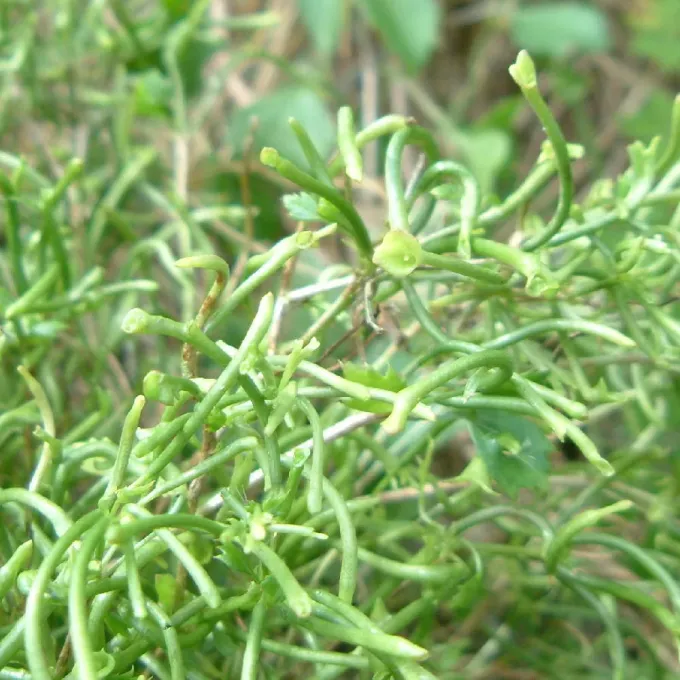
The most prominent sign of a Mycosyrinx infection is the deformation of inflorescences and stems. Affected areas often develop swellings or galls, which are packed with the dark, dusty spore masses of the fungus.
Once mature, the outer layer of these galls ruptures, releasing a dense, soot-like powder composed of thousands of teliospores. This "sooty" appearance is a classic hallmark of smut infections and makes the affected plants easily distinguishable.
Infected sedges often exhibit stunted growth and a chlorotic appearance. Because the fungus disrupts the transport of water and nutrients within the plant, leaves may yellow prematurely, and stems can become twisted or fragile.
Systemic colonization usually results in the total sterility of the affected reproductive organs. The fungus effectively replaces the floral parts, preventing the development of seeds and causing the plant to lose its ability to reproduce sexually.
Over time, the cumulative impact of the parasite can lead to the necrosis of entire stems or clusters. In severe cases, particularly if the plant was infected early in the season, the entire shoot system may wither and die prematurely.
Pathogen
Mycosyrinx is a genus of fungi belonging to the order Ustilaginales, commonly known as smut fungi. These are specialized obligate parasites that primarily affect plants within the Cyperaceae family, particularly species of the genus Carex (sedges).
The pathogen is a systemic parasite. Its mycelium colonizes the host plant internally, spreading through the vascular tissues and intercellular spaces, which often allows the fungus to persist within the plant for multiple growing seasons without immediate visual symptoms.
Reproduction occurs through the formation of teliospores. These spores are generated inside specialized structures called sori, which typically replace the internal tissues of the host plant's inflorescences or stems, eventually erupting through the surface.
Dissemination of the infection is primarily facilitated by wind, rain splashes, and insects, which carry the teliospores from infected plants to healthy ones. The spores can also survive in soil debris or on contaminated seeds, serving as a primary source of inoculum.
The life cycle of Mycosyrinx is intricately linked to the phenology of the host plant. The fungus typically synchronizes its development with the plant's active growth period, diverting the host's nutrients to support the maturation of its spore masses.
Conditions for development
High humidity and moisture are critical for the development of Mycosyrinx. The germination of teliospores requires a film of liquid water, making the disease significantly more prevalent in wet habitats, marshes, or areas with frequent rainfall.
Moderate temperatures provide the ideal environment for the metabolic activities of the fungus. While it can survive across a range of conditions, sustained periods of cool, wet weather often trigger severe outbreaks of the disease.
Dense clusters of sedge plants create a microclimate with reduced airflow and high humidity. This environment prevents leaves from drying out quickly, significantly increasing the probability of successful spore germination and host infection.
The presence of infected plant debris is a major factor in the disease cycle. The spores are resilient and can remain viable in the soil for extended periods, ready to reinfect new shoots as they emerge during the following growing season.
High planting density facilitates the spread of the disease through contact. In such conditions, the fungal spores are easily transferred between adjacent plants, leading to the rapid transformation of a localized infection into a widespread outbreak.
Why it matters
The primary damage caused by Mycosyrinx is the loss of productivity and reproductive failure in sedge populations. For natural habitats, this can disrupt the ecological balance and hinder the regeneration of these important plant species.
In agricultural or landscaping contexts, the disease severely degrades the quality of the vegetation. The presence of unsightly galls and spore dust makes the plants undesirable for decorative purposes or unsuitable for use as fodder.
Systemic infection weakens the host plant, leaving it more susceptible to secondary environmental stresses, such as winter frost or drought. These weakened plants are often outcompeted by healthier, non-infected vegetation, leading to a shift in species composition.
Economic losses are associated with the management of the disease, which often involves the removal and destruction of infected material. If left unmanaged, the pathogen can quickly colonize an entire area, requiring drastic measures to control.
Furthermore, the systemic nature of the pathogen makes it difficult to eradicate once it has established itself within a cluster of plants, as the mycelium may already be present in roots or rhizomes before external symptoms appear.
Protection
The most effective management strategy is the rigorous monitoring of plant health. Early detection of deformation or gall formation allows for the immediate removal of infected individuals before the spores are released.
Sanitary practices are crucial. Infected plant material should be carefully harvested and destroyed by burning or deep burial to eliminate the primary reservoir of spores from the environment and prevent future reinfection.
Cultural practices, such as increasing plant spacing to improve ventilation, can significantly reduce the humidity around the foliage. This helps to maintain a drier microclimate, which is less conducive to fungal spore germination.
In cases where the disease is widespread, the targeted application of systemic fungicides labeled for smut control may be employed. Treatments should be timed to coincide with the periods most susceptible to initial infection.
Rotating the planting site or replacing infected sedge clusters with resistant species are long-term solutions that help to break the pathogen's life cycle and restore the health of the area.
Discussion
No discussions yet — be the first.