
Mycosphaerellosis
Mycosphaerellales
Description
Symptoms
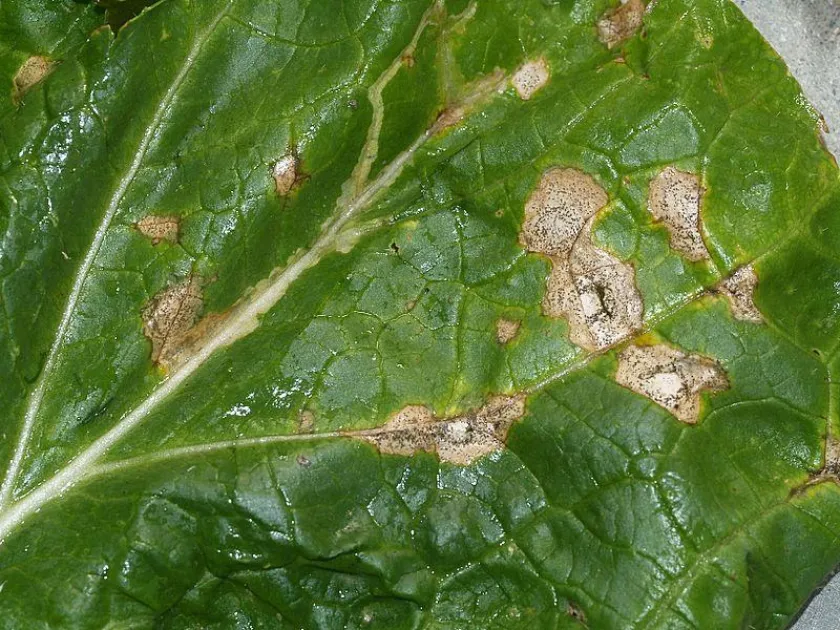
The most recognizable symptom of Mycosphaerellosis is the formation of necrotic spots on foliage. These lesions usually vary in shape and color, often featuring a distinct dark margin with a lighter center.
A definitive diagnostic feature is the appearance of small, black, pinhead-sized structures known as pycnidia or pseudothecia within the lesions. These are often visible to the naked eye or under a magnifying lens.
In advanced stages of infection, lesions may coalesce, leading to significant defoliation or blighting of the leaves. This reduction in photosynthetic area significantly limits the plant's ability to produce energy for growth and fruit development.
When stems or fruits are affected, the disease may manifest as sunken lesions or rotting. In severe cases, systemic infection can lead to the wilting and death of the entire plant or fruit clusters.
Symptoms are typically most pronounced on older, lower leaves first, slowly progressing to younger tissues as moisture and temperature conditions remain optimal for fungal colonization.
Pathogen
Mycosphaerellosis refers to a group of fungal diseases caused by members of the Mycosphaerellales order. These ascomycete fungi are characterized by the production of pseudothecia, which serve as overwintering structures on crop debris.
The life cycle of the pathogen is complex, involving both sexual (ascospores) and asexual (conidia) stages. Ascospores are typically released from debris during wet weather and wind-dispersed to initiate primary infections on emerging plant tissues.
Once the infection is established, asexual conidial spores are produced in abundance on necrotic lesions. These conidia are responsible for secondary cycles of infection, which allow the disease to spread rapidly through the field during the growing season.
The taxonomy within the order Mycosphaerellales is highly dynamic, often leading to confusion between anamorphic and teleomorphic naming. Understanding the specific strain is crucial for developing effective disease management programs.
These fungi are host-specific, causing severe diseases in a wide range of economically important plants such as bananas, strawberries, wheat, and various vegetable species. High genetic variability allows these pathogens to adapt to different environments and host resistances.
Conditions for development
High relative humidity is the primary driver for the development and spread of Mycosphaerellosis. Prolonged periods of rainfall, heavy dew, or foggy conditions facilitate the germination of spores on the leaf surface.
Temperature plays a critical role in the rate of disease development, with optimal ranges typically falling between 18°C and 25°C. Within these temperatures, the incubation period is minimized, accelerating the spread of the pathogen.
Dense planting patterns and poor canopy aeration create a humid microclimate within the crop stand. This lack of airflow prevents leaves from drying quickly, providing the sustained moisture necessary for the fungus to penetrate the plant cuticle.
The history of the field significantly impacts disease risk. Continuous cropping of susceptible species leads to the accumulation of fungal inoculum in the soil and on residual plant material, creating a high-pressure environment for the next season.
Nutritional status of the host also influences vulnerability. Plants stressed by nitrogen excess or deficiencies in essential nutrients like potassium are often more prone to successful infection by the fungus.
Why it matters
The primary economic impact of Mycosphaerellosis is a substantial reduction in crop yield. Severe leaf damage prevents the plant from accumulating biomass, resulting in smaller, underdeveloped fruits or grains.
Market quality is severely compromised, as infected fruits or vegetables exhibit poor aesthetics and shelf life. This often results in the rejection of harvests by retailers and significant financial loss for the producer.
Infected plants exhibit reduced vigor, making them more susceptible to additional environmental stresses, such as heat, drought, or attacks by opportunistic pests. This systemic weakening can lead to premature plant death.
The financial burden of the disease includes both the cost of fungicide applications and the labor involved in managing outbreaks. In many cases, these costs can render the production of certain crops unprofitable.
Furthermore, the long-term presence of the pathogen in a field restricts future crop choices. Farmers may be forced into more expensive or less productive rotations to manage the soil-borne inoculum pressure.
Protection
Integrated disease management (IDM) is essential for controlling Mycosphaerellosis. The cornerstone of prevention is crop rotation, which breaks the pathogen's life cycle by removing the host for several consecutive seasons.
Sanitation practices, including the deep burial or removal of infested crop debris, are highly effective in reducing the initial inoculum. This removes the primary source of overwintering ascospores from the field.
The use of resistant or tolerant cultivars is the most sustainable approach to long-term control. Breeding programs are continuously working to improve the genetic resilience of major crops to these fungal pathogens.
Fungicides remain a necessary tool during periods of high disease pressure. Applications must be strategically timed based on environmental forecasts and visual scouting to ensure maximum efficacy and prevent resistance buildup.
- Utilizing clean, certified disease-free seeds or planting stock.
- Maintaining balanced soil fertility, with focus on potassium levels.
- Managing weed hosts that may act as reservoirs for the fungus.
- Implementing regular field monitoring during high-risk weather windows.
Discussion
No discussions yet — be the first.