
Mycosphaerella leaf spot
Mycosphaerella minima
Description
Symptoms
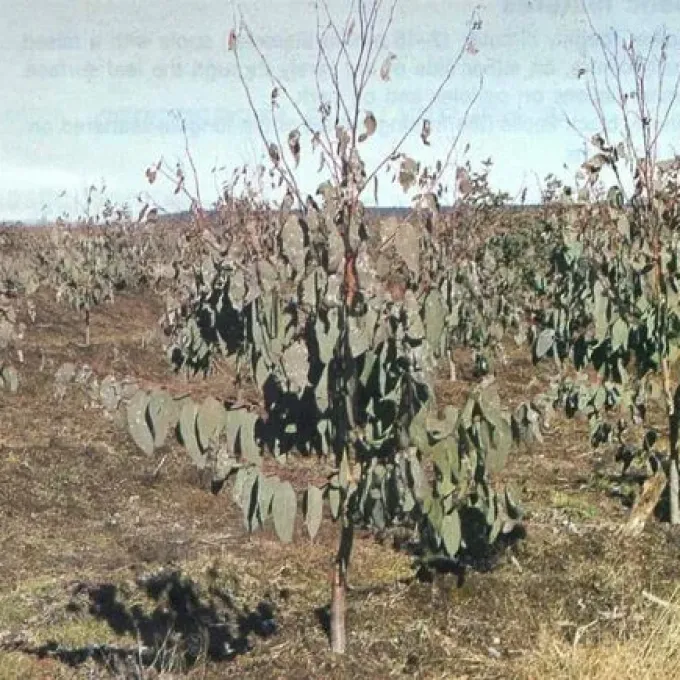
Symptoms typically manifest as small, scattered spots on the leaves. Over time, these spots enlarge, turn brown, and often develop a dark, distinct border that separates the necrotic area.
Small black fruiting bodies, known as pycnidia or perithecia, appear on the underside of the affected leaf spots. These are key diagnostic features visible to the naked eye or with a hand lens.
Severe infections result in premature yellowing and leaf drop, which can begin in the lower canopy and work its way upward, significantly thinning the foliage density.
Affected leaves may curl or distort, particularly in sensitive species. As the spots merge, larger necrotic patches form, reducing the overall green surface area available for sunlight capture.
Early diagnosis is crucial, as the symptoms can sometimes be confused with other leaf spot pathogens. The presence of dark fruiting bodies is the most reliable sign of a Mycosphaerella infection.
Pathogen
The disease is caused by the fungus Mycosphaerella minima, an ascomycete pathogen known for infecting the leaves of various trees and shrubs. It targets foliage, impacting the plant's photosynthetic capacity.
The pathogen overwinters in fallen leaves and plant debris as perithecia, where ascospores mature. In spring, these spores are released into the air and spread by wind and rain splash to healthy leaves.
Once on the leaf surface, the spores germinate and penetrate the tissue through stomata or wounds. The fungus then establishes a mycelial network within the intercellular spaces of the plant leaf.
During the growing season, the fungus produces conidia, which facilitate secondary infection cycles, allowing the disease to spread rapidly under favorable weather conditions.
Understanding the life cycle of Mycosphaerella minima is essential for implementing a timely disease management program that focuses on breaking the cycle of reinfection.
Conditions for development
The development of this disease is heavily favored by cool to moderate temperatures and high humidity. Wet weather and frequent rain events are the primary drivers of spore dispersal.
Poor air circulation within dense canopies keeps leaves wet for longer periods, which is ideal for spore germination and colonization by the fungus Mycosphaerella minima.
Plants under stress, whether from drought, nutrient deficiency, or poor site conditions, show increased susceptibility to leaf spot diseases compared to healthy, vigorous specimens.
Mechanical injuries caused by insects, hail, or maintenance activities create entry points for the fungal spores, accelerating the colonization process within the leaf tissue.
Mild winters allow the pathogen to survive more easily in the leaf litter, leading to a higher inoculum density at the start of the following growing season.
Why it matters
The primary harm caused by this disease is the reduction of the photosynthetic surface. Chronic infections weaken the plant, making it less resilient to environmental stressors.
In nursery settings, heavy infestations can result in stunted growth, leading to the rejection of infected seedlings and significant economic losses for growers.
Premature leaf drop caused by the disease limits the plant's ability to store sufficient carbohydrates for the winter, which can lead to winter injury or plant death in colder climates.
Ornamental plants suffer from severe cosmetic damage, reducing their visual appeal and market value, which is particularly detrimental in landscaping and public gardening.
Over time, the cumulative stress from repeated annual infections can cause branch dieback and an overall decline in the health and vigor of the host plant.
Protection
The most effective strategy is rigorous sanitation. Removing and destroying all fallen leaves at the end of the season drastically reduces the primary inoculum source for the next year.
Applying copper-based fungicides during the dormant season and early spring can protect the budding leaves from the initial wave of spore infection.
For active infections, systemic fungicides, including triazoles or strobilurins, are recommended. Always ensure proper coverage of both leaf surfaces for maximum efficacy.
- Prune plants to improve airflow and reduce leaf wetness.
- Avoid overhead irrigation that keeps leaves wet for extended periods.
- Maintain plant vigor with appropriate fertilization and site management.
- Choose resistant plant varieties when available for new plantings.
Monitoring the foliage regularly during wet spring and summer weather is essential to detect the disease early, allowing for timely intervention before it spreads across the canopy.
Discussion
No discussions yet — be the first.