
Mycosphaerella leaf spot
Mycosphaerella maculiformis
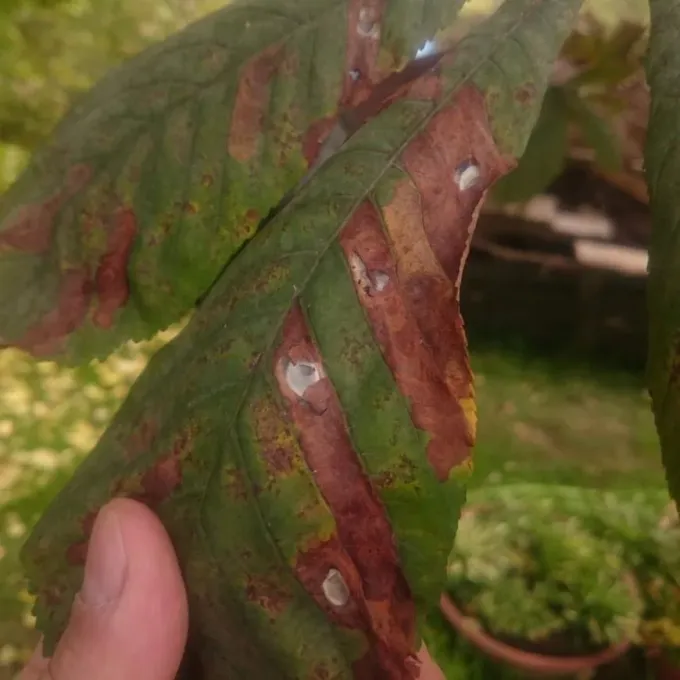
Description
Symptoms
The first clinical signs of infection appear as small, chlorotic spots on the leaves, which gradually expand and develop a distinct brown or dark tan coloration as the tissue dies.
A hallmark diagnostic feature of this leaf spot is the presence of a dark, well-defined border surrounding the necrotic area, which separates the damaged tissue from healthy leaf parts.
Under conditions of high humidity, tiny black dots may become visible on the surface of the lesions; these are the pycnidia, or fungal fruiting bodies, which release spores.
Severe infestations cause the affected leaves to yellow prematurely, curl, and wither, significantly disrupting the plant's natural photosynthetic process.
In addition to leaf symptoms, infections can sometimes manifest on young, succulent shoots, resulting in localized necrotic lesions and potential cracking of the epidermis.
Pathogen
The causal agent of this disease is the fungus Mycosphaerella maculiformis, which is classified within the Ascomycota division. It is a specialized pathogen that primarily affects the foliage of various woody and shrub species.
The fungus survives the winter season in infected plant debris, such as fallen leaves and bark crevices, residing as dormant mycelium or in fruiting structures known as pseudothecia.
As spring weather brings warming temperatures and moisture, the pathogen produces spores which are then disseminated by wind currents and rain splashes onto susceptible green tissue.
Once on the leaf surface, the spores germinate and penetrate the host tissue through natural openings like stomata, eventually establishing a network of mycelium within the plant cells.
Throughout the growing season, the fungus produces secondary spores, facilitating multiple cycles of infection and enabling the disease to spread rapidly across the plant canopy.
Conditions for development
The development of Mycosphaerella leaf spot is strongly favored by periods of high relative humidity, frequent rainfall, and moderate temperatures, typically between 18 and 25 degrees Celsius.
Dense planting configurations that restrict airflow create a stagnant microclimate, which significantly promotes spore germination and the rapid secondary spread of the infection.
Plants that are already under stress due to nutrient deficiencies, water deficit, or pest infestations demonstrate reduced resistance and are more susceptible to fungal entry.
Persistent wet weather during late spring and early summer often leads to epidemic outbreaks in orchards and nurseries, as the environment remains consistently moist for the fungus.
Leaving fallen, infected foliage on the ground under trees provides a major source of inoculum, ensuring that the disease cycle will continue in the subsequent growing season.
Why it matters
The primary detrimental impact of this disease is the significant reduction of the active photosynthetic leaf area, which ultimately impairs the plant's ability to produce energy.
Premature leaf drop forces the plant to enter dormancy before it has adequately stored essential carbohydrates, which leads to general exhaustion and poor plant health.
Chronic infections weaken the plant's structural integrity and significantly decrease cold hardiness, making the host more vulnerable to frost injury during winter months.
In fruit-bearing crops, the disease can negatively affect both the quality and yield of the harvest, as the plant allocates limited resources to defend against the pathogen.
Repeated yearly infections can lead to the dieback of branches, reduced aesthetic value, and in severe cases, the eventual death of the entire plant due to long-term decline.
Protection
The most important preventive measure is the thorough collection and disposal of fallen leaves, as these act as the primary reservoir for the pathogen during the winter.
Regular sanitation, including the pruning and removal of infected branches, helps reduce the total inoculum load within the garden or orchard environment.
Chemical intervention involving copper-based sprays or systemic fungicides should be applied during high-risk periods to suppress the spread and development of the disease.
Implementing proper cultural practices, such as optimizing plant spacing and providing balanced fertilization, helps to strengthen the plant’s natural immune system.
- Sanitary removal of infected plant debris.
- Pruning to improve air circulation in the canopy.
- Applying fungicides at appropriate intervals.
- Maintaining optimal plant nutrition.
- Monitoring plants regularly for early symptom detection.
Discussion
No discussions yet — be the first.