
Mycosphaerella leaf spot of apple
Mycosphaerella jaczewskii
Description
Symptoms
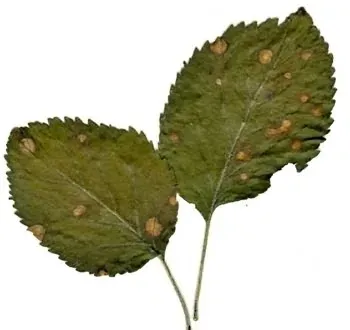
The first signs of Mycosphaerella leaf spot appear as small circular lesions on the apple leaves. These spots gradually expand and often display a brown or reddish-brown center surrounded by a darker, more defined margin.
As the infection progresses, tiny black fruiting bodies known as pycnidia develop in the center of the spots. These structures are visible to the naked eye and serve as a reliable diagnostic feature for identifying the pathogen.
When the infection is severe, individual spots coalesce to cover large areas of the leaf surface. This leads to yellowing, curling, and eventually premature drying of the leaves, which significantly reduces the tree's photosynthetic area.
Symptoms are typically most prominent during the mid-to-late summer period when the humidity is elevated. The infected leaves may drop prematurely, leaving the tree partially defoliated before the natural seasonal cycle concludes.
In extreme cases, the infection can spread to leaf petioles and young succulent shoots. This leads to localized necrosis and can weaken the structural integrity of the affected growth.
Pathogen
The causative agent of this disease is the ascomycete fungus Mycosphaerella jaczewskii. This pathogen is highly specialized and is primarily known to affect apple trees, causing localized leaf tissue damage.
The fungus overwinters in fallen leaves and in cracks within the bark of infected trees. During the dormant season, it exists in the form of mycelium or specialized fruiting bodies that wait for spring conditions.
Primary infection occurs via ascospores, which are disseminated by wind, rain splashes, or insects. Once these spores land on healthy leaves, they germinate and penetrate the tissue through stomata or small wounds.
The fungus produces conidia during the growing season, allowing for rapid secondary cycles of infection. This polycyclic nature of the pathogen enables it to spread quickly through the orchard under favorable weather conditions.
The biological cycle of Mycosphaerella jaczewskii is tightly coupled with the host's phenology. Understanding this cycle is crucial for timing preventive measures during the most vulnerable periods of apple tree development.
Conditions for development
High humidity and frequent rainfall are the primary drivers for the development of Mycosphaerella leaf spot. Moisture is essential for spore germination and the initial penetration of the fungal mycelium into the host tissue.
Temperatures ranging from +18 to +25 degrees Celsius are optimal for the pathogen's growth. Under these conditions, the incubation period is shortened, leading to a faster turnover of infection cycles.
Dense, poorly pruned tree canopies create microclimates that remain moist for extended periods. This lack of airflow prevents leaves from drying out quickly, providing an ideal environment for spore attachment and infection.
Orchards with heavy leaf litter on the ground harbor significant amounts of inoculum. These remnants serve as the starting point for spring infections, especially in trees with low-hanging branches.
Susceptibility is also influenced by tree vigor; trees stressed by drought, poor soil fertility, or competing weeds are significantly more prone to severe infection compared to well-maintained trees.
Why it matters
The main impact of this disease is the premature loss of foliage, which dramatically reduces the tree's photosynthetic capacity. This impairment leads to a decrease in carbohydrate accumulation, essential for tree health.
Reduced vigor results in smaller, less marketable fruit with lower sugar content. Additionally, the tree’s overall yield potential for subsequent seasons is compromised due to inadequate energy reserves.
Defoliated trees are less capable of accumulating nutrients for winter dormancy, which significantly lowers their cold hardiness. This makes them susceptible to winter injury and potential branch dieback in colder climates.
Long-term infestation weakens the overall immunity of the apple tree, making it an easy target for other fungal or bacterial pathogens. The tree's lifespan and commercial productivity are effectively shortened.
Economic damage in orchards includes increased costs for disease management, potential crop losses due to poor fruit quality, and the need for frequent labor-intensive sanitation efforts.
Protection
Sanitation is the most critical component of control. Removing and destroying fallen leaves during autumn drastically reduces the amount of overwintering inoculum present in the orchard.
Proper pruning techniques are essential to maintain an open canopy. Increasing light penetration and airflow allows the foliage to dry faster after rain, making it harder for the fungus to establish itself.
Application of fungicides is recommended during critical growth stages, such as green tip or petal fall, to prevent primary and secondary infections. Alternating chemical modes of action helps prevent resistance.
Maintaining a balanced fertilization program supports tree resilience. Providing adequate potassium and phosphorus strengthens plant cell walls and enhances the tree's internal defense mechanisms.
- Disinfecting pruning tools between trees to prevent spread.
- Choosing disease-resistant apple cultivars for planting.
- Using mulch to bury infected debris and suppress spores.
- Regular orchard scouting to identify infection at the early stages.
Discussion
No discussions yet — be the first.