
Mycosphaerella blight of horsetail
Mycosphaerella equiseticola
Description
Symptoms
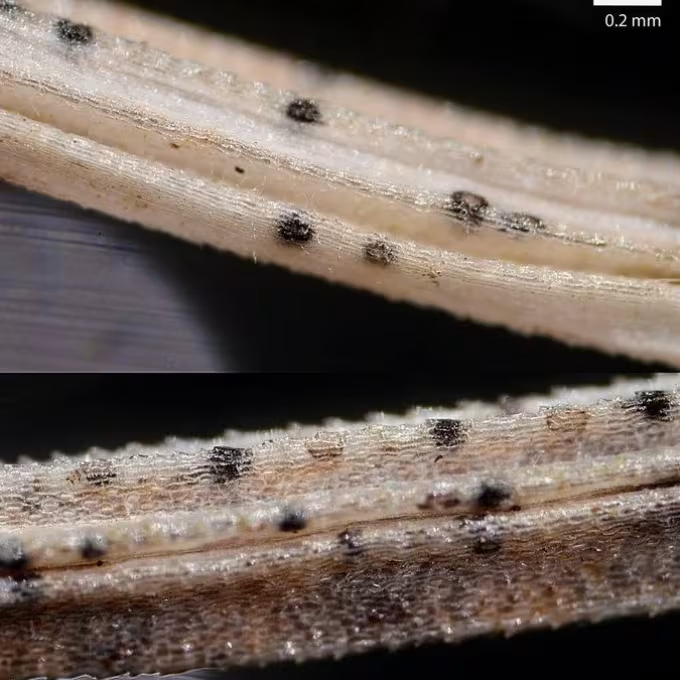
Initial symptoms present as small, localized spots on the green stems. These spots usually begin as yellowish or light brown discolorations, eventually turning dark brown with a distinct margin.
A hallmark sign of the infection is the appearance of tiny, dark, erumpent fruiting bodies (pycnidia or pseudothecia) scattered across the surface of the necrotic lesions.
As the disease progresses, affected stems exhibit signs of structural weakness. The lesions cause the stems to become brittle, often leading to premature drooping, bending, or snapping.
Chlorosis, or yellowing, followed by tissue desiccation, is observed on the affected parts of the plant. If left untreated, the entire stem may wither and turn brittle brown.
- necrotic spots with dark brown margins;
- visible dark fruiting bodies on lesion surfaces;
- brittleness and structural deformation of stems;
- premature chlorosis and stem desiccation;
- reduced overall plant vigor and health.
Pathogen
The disease is caused by the ascomycete fungus Mycosphaerella equiseticola. This pathogen is highly host-specific, primarily targeting plants within the Equisetum genus.
The fungus survives the winter period within infected plant debris in the form of pseudothecia. When conditions become favorable in spring, these structures release ascospores that initiate primary infections on new growth.
Once the spores land on a host, they germinate and penetrate the epidermal tissues of the horsetail stems. The fungal mycelium then grows throughout the stem tissue, causing cellular collapse and necrosis.
Asexual reproduction occurs through the formation of pycnidia, which produce conidia throughout the growing season. This ensures the rapid spread of the pathogen within the plant population during periods of high humidity.
The pathogen's life cycle is intricately linked with the growth phases of its host, allowing it to efficiently exploit the plant's resources while maintaining a stable presence in the environment.
Conditions for development
High relative humidity and consistent moisture are essential for the development and spread of Mycosphaerella equiseticola. Rainfall and dew provide the necessary surface moisture for spore germination.
The fungus thrives in moderate temperature ranges typical of the growing season. It requires consistent moisture to successfully penetrate the tough, silica-rich surface of horsetail stems.
Dense planting or high plant density creates a microclimate with poor ventilation. This traps humidity near the stems, creating an environment highly conducive to rapid disease spread.
Inadequate sanitation is a major factor in disease persistence. The presence of infected plant residue from previous years ensures a constant supply of inoculum for the next growing cycle.
Stagnant air and poor drainage within the growing area contribute significantly to disease progression, as these conditions stress the plant and weaken its physiological resistance.
Why it matters
The primary economic impact of this blight is the degradation of the plant's biomass, rendering it unsuitable for medical, industrial, or decorative applications.
By compromising the photosynthetic integrity of the stems, the infection leads to the exhaustion of energy reserves in the rhizomes. This negatively affects the plant's longevity and ability to regenerate in subsequent years.
Plants affected by the blight are significantly more susceptible to secondary stressors, including other pathogens, pests, and adverse weather conditions like frost or drought.
In decorative gardens or natural habitats, the aesthetic value of horsetail is destroyed by the presence of large necrotic lesions and dead, brown stems.
Failure to control the spread of the pathogen can lead to the total loss of horsetail stands, requiring costly intervention or complete replanting of the affected site.
Protection
The most effective cultural practice for controlling this disease is rigorous sanitation. All infected plant matter should be removed and destroyed to minimize the inoculum load.
Improving air circulation around the plants is critical. Planting at an appropriate density and ensuring sufficient space between stands helps to keep foliage dry and reduces infection risk.
In cases of severe infestation, chemical control may be necessary. Fungicides containing copper or specialized systemic active ingredients can be effective if applied early in the infection cycle.
Autumn cleaning, which involves removing all dead stems and debris, is essential for destroying the overwintering structures of the fungus and preventing early spring reinfection.
Monitoring the plants throughout the growing season for early signs of lesions is recommended to enable timely intervention before the infection reaches epidemic levels.
Discussion
No discussions yet — be the first.